
How to Care for Eastern White Pine
Grow Eastern White Pine (Pinus strobus), a graceful, fast-growing evergreen with soft blue-green needles and a stately pyramidal form.
Read the full Eastern White Pine encyclopedia entry →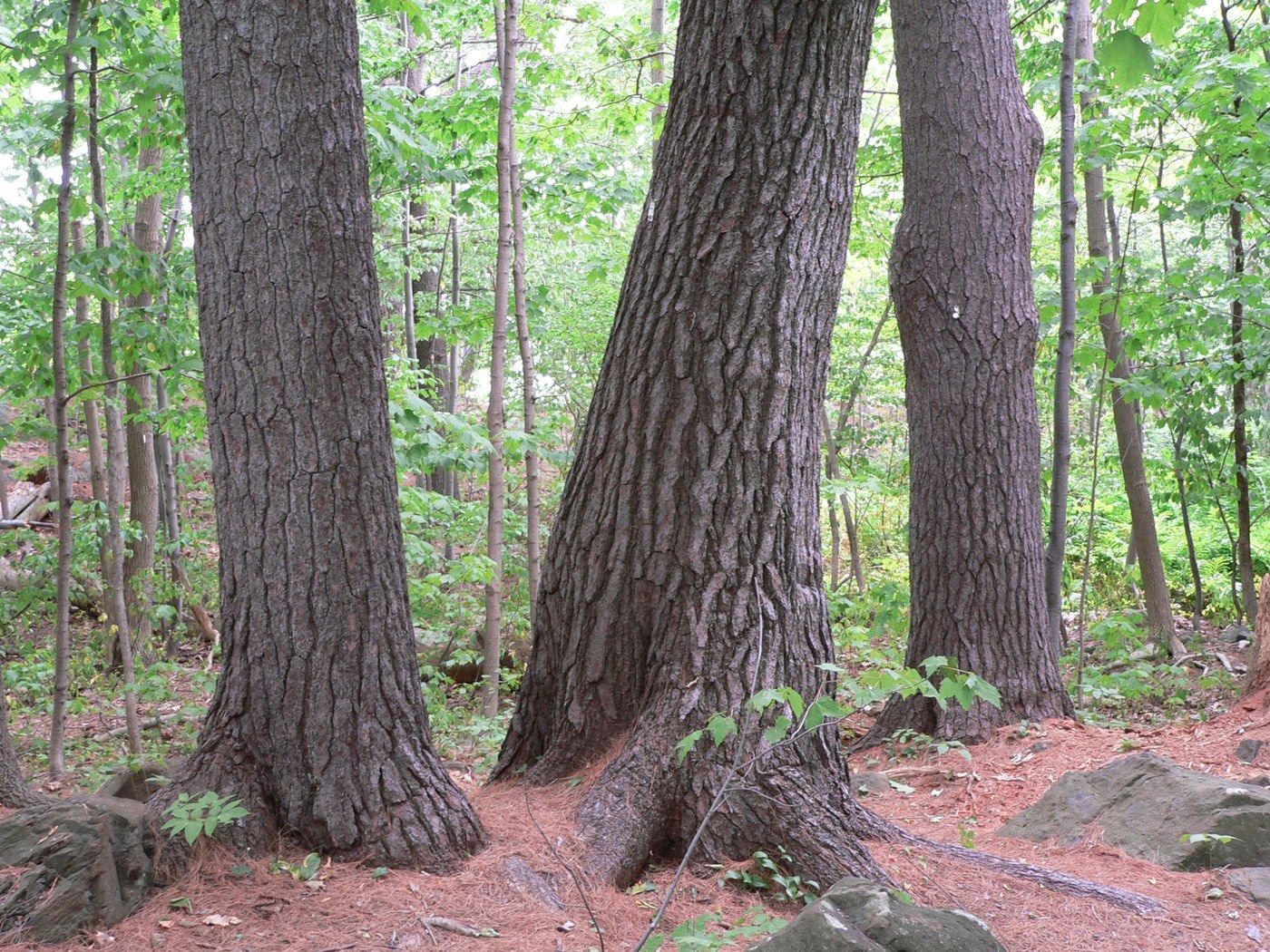
Eastern White Pine (Pinus strobus) is a graceful, fast-growing evergreen conifer prized for its soft, feathery blue-green needles in bundles of five and its stately, pyramidal-to-rounded silhouette. It makes a superb specimen, screen, or windbreak and is an easy, adaptable tree for large landscapes.
Light
Give Eastern White Pine full sun for the densest, most symmetrical growth. It will tolerate light shade, especially when young, but open sun produces the fullest crown and strongest form. Avoid deep shade, which thins the foliage and weakens the tree.
Water
Watering needs are moderate. Water young trees regularly to establish deep roots, giving a slow, deep soak during dry periods rather than frequent shallow watering. Mature trees are fairly drought-tolerant but appreciate irrigation in prolonged dry spells. Well-drained soil is essential, as White Pine will not tolerate soggy, waterlogged ground.
Soil & Potting
Eastern White Pine prefers moist, fertile, well-drained soil and does best in slightly acidic conditions (pH around 5.0 to 6.5). It naturally grows on sandy loams but adapts to many soils provided drainage is good. It dislikes heavy, wet clay and is sensitive to compacted or poorly aerated soil. Improve drainage on tough sites and mulch the root zone to keep it cool and moist.
Humidity & Temperature
Hardy across roughly USDA zones 3 through 8, this cold-tolerant conifer thrives in cool temperate climates and struggles in hot, dry southern heat. It handles humidity well but needs good air circulation. It is notably sensitive to urban air pollution, road salt, and reflected heat, so site it away from busy roadsides and salted walkways.
Feeding
Established White Pines rarely need feeding. For young trees in poor soil, apply a light dose of a balanced or acid-forming evergreen fertilizer in early spring to support growth. Avoid over-fertilizing, which can force weak, floppy growth. An annual mulch of pine bark or compost over the roots supplies gentle nutrition and maintains the acidic conditions the tree prefers.
Propagation
Eastern White Pine is grown from seed, which benefits from a period of cold, moist stratification before spring sowing. Collect seed from mature cones, sow in well-drained media, and grow the slow seedlings on in a protected nursery bed. Cuttings are difficult and rarely successful, so seed is the standard method; named cultivars are usually grafted by specialist growers.
Repotting / Pruning
White Pine needs little pruning and is best left to develop its natural form. To encourage denser, bushier growth, pinch back the soft new shoots, called candles, by about half in spring before the needles expand; never cut back into bare old wood, as pines do not resprout from it. Remove dead, damaged, or crossing branches as needed. It can be grown in containers when young but is ultimately a large landscape tree.
Common Problems & Pests
Watch for white pine weevil, which kills the leader and causes a crooked, forked top; prune out and destroy infested leaders promptly. White pine blister rust is a serious fungal disease whose alternate hosts are currants and gooseberries, so keep those plants well away. The tree is very sensitive to road salt, air pollution, and drought, which cause needle browning and dieback. Bark beetles, sawflies, and needle cast fungi can also occur. Good siting away from salt and pollution prevents most decline.
Seasonal Care Tips
In spring pinch candles to shape young trees and watch for weevil damage to the leader. Summer calls for deep watering of young or drought-stressed trees. In autumn keep the root zone mulched and avoid late feeding. In winter protect from de-icing salt spray and heavy snow load; brush snow gently from branches to prevent breakage, as the wood is relatively soft and limbs can split under weight.
Frequently asked questions
Why is the top of my White Pine crooked or forked?
This is often caused by white pine weevil killing the main leader, which lets side shoots compete. Prune out and destroy the damaged leader and train a single new shoot as the replacement leader.
How do I make my White Pine bushier?
Pinch the soft new spring shoots, called candles, back by about half before the needles expand. Never cut into bare old wood, because pines will not resprout from it.
Why are my White Pine's needles turning brown?
Common causes are road-salt exposure, air pollution, drought stress, or poor drainage. This tree is very sensitive to salt and pollution, so site it away from roads and keep it deeply watered in dry spells.
Does Eastern White Pine tolerate wet soil?
No. It needs well-drained soil and dislikes soggy, waterlogged ground. Provide good drainage and avoid heavy, wet clay to keep the roots healthy.