Eastern White Pine
Pinus strobus
A tall, fast-growing native conifer with soft blue-green needles in bundles of five and long, slender cones. The largest conifer of the northeastern forests and a historic timber tree.
- Light
- Full sun
- Water
- Moderate; well-drained soil
- Difficulty
- Easy
Got a plant like this?
Identify any plant from a photo, free.
Overview
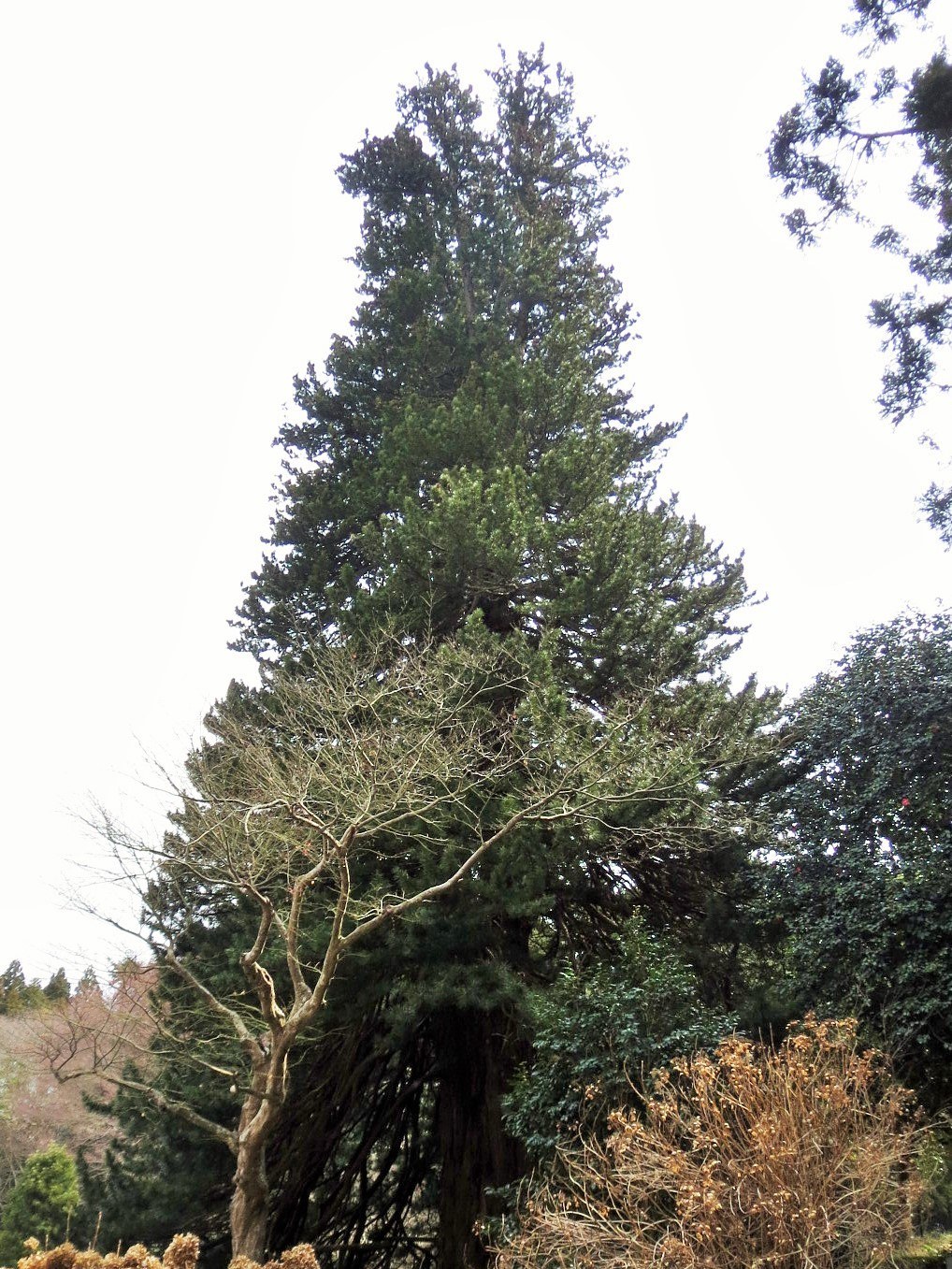
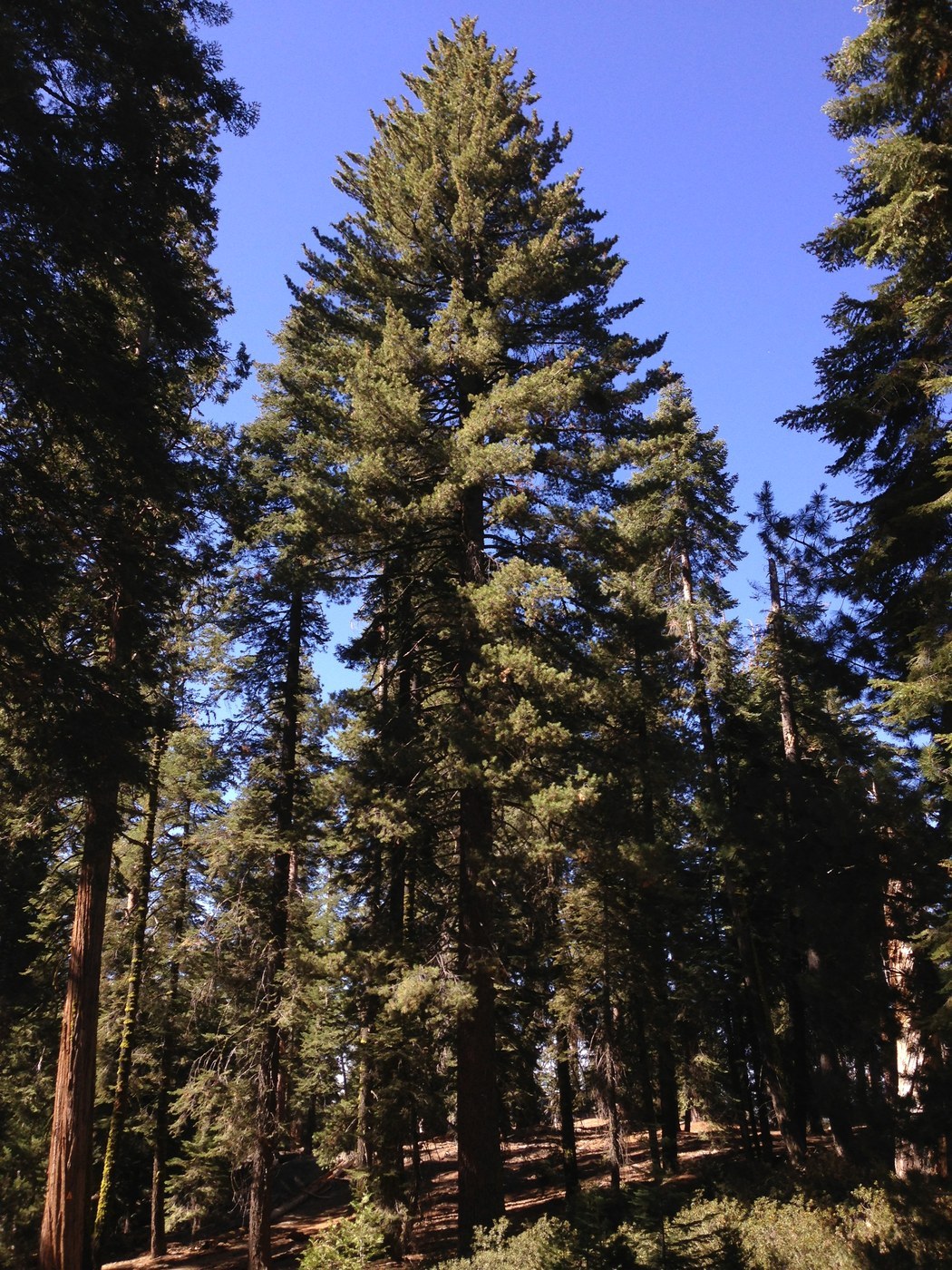
Eastern white pine is a large, fast-growing evergreen conifer native to eastern North America and historically the tallest tree of the northeastern forests, with some old-growth specimens once exceeding 150-200 feet.
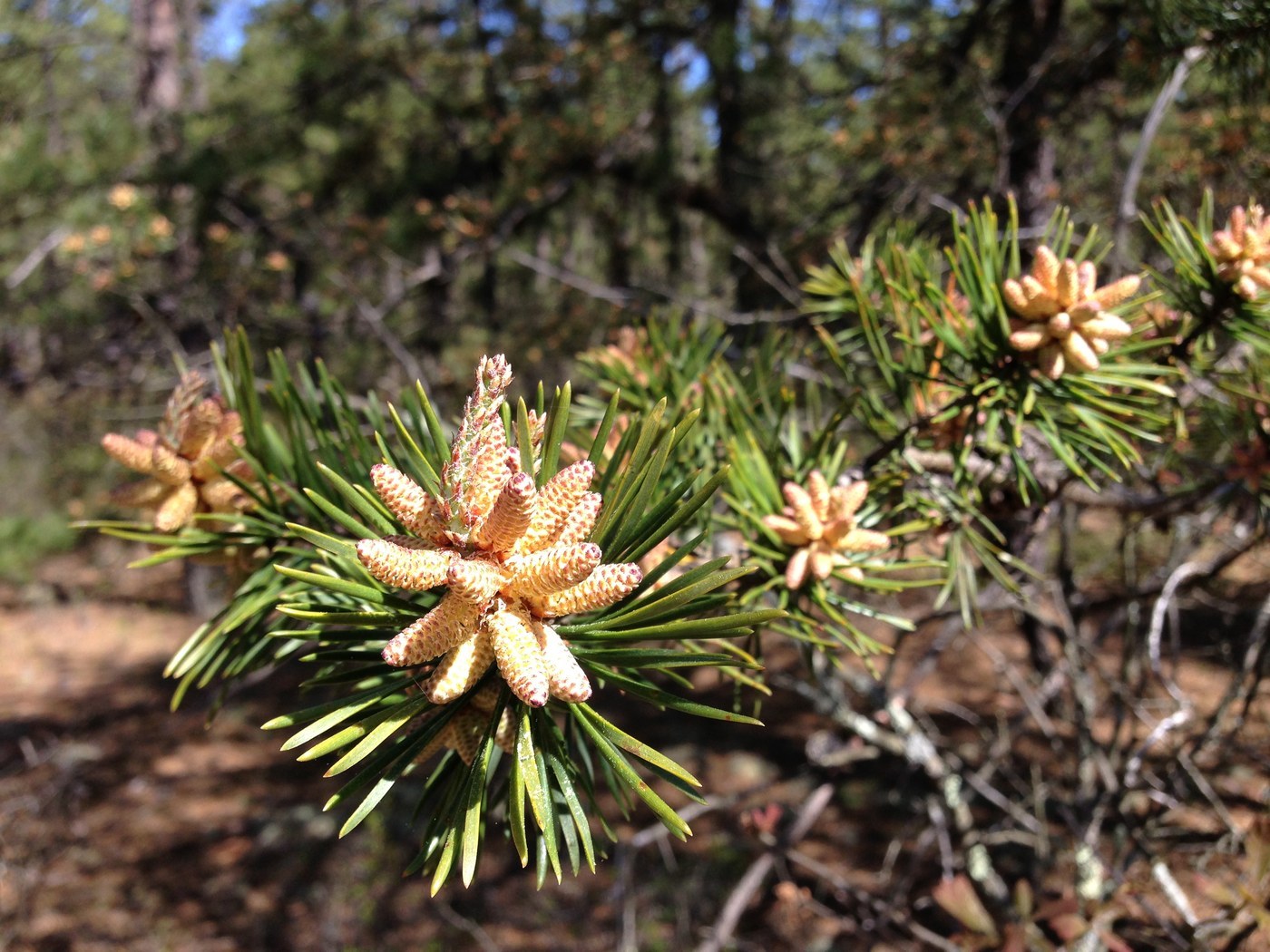
It is easily recognized by its soft, flexible blue-green needles bundled in groups of five and its graceful, tiered branching that becomes irregular and picturesque with age.
Enormously important in colonial history for ship masts, it remains a major timber species and a popular ornamental, windbreak and Christmas tree.
How to identify it
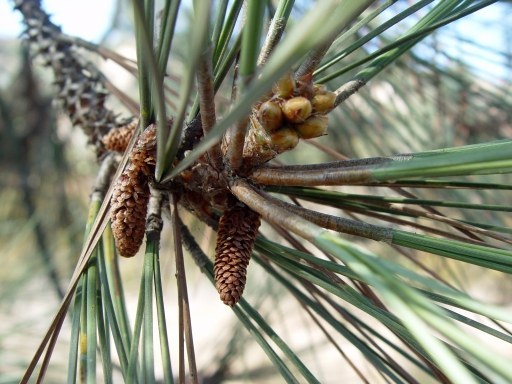
- Needles: soft, slender, blue-green, 2.5-5 in long, in bundles (fascicles) of five—a reliable ID feature
- Cones: long, slender, slightly curved, 4-8 in, often resin-tipped
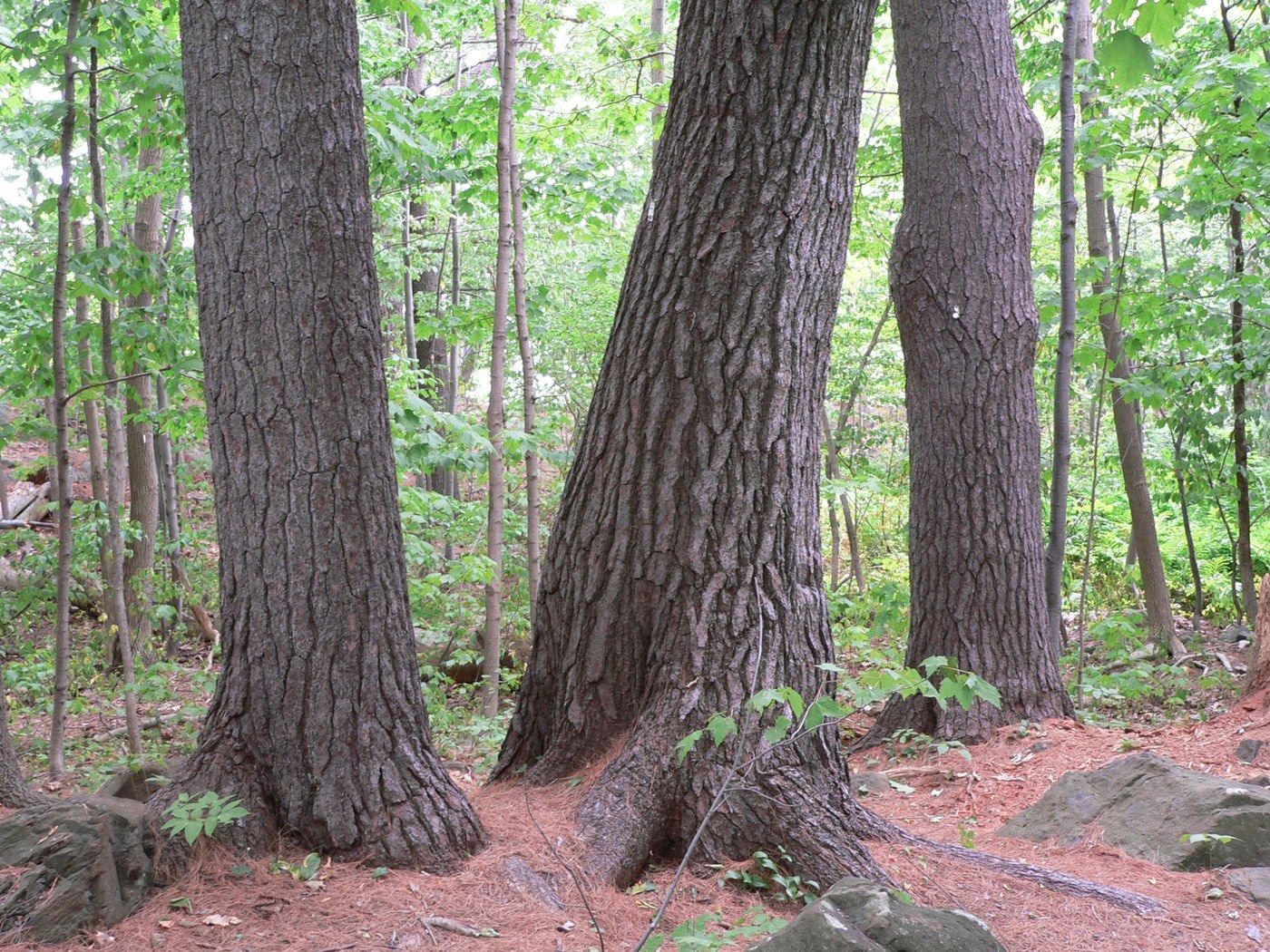
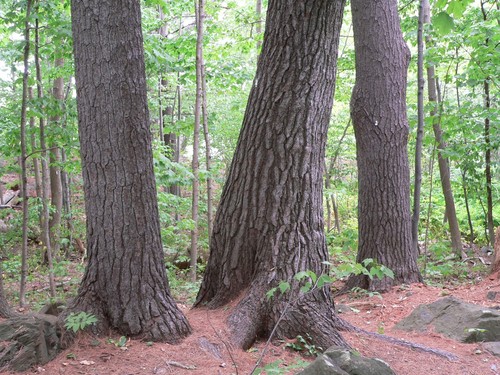
- Bark: smooth and gray-green when young, becoming dark gray and deeply furrowed with age
- Habit: tiered, horizontal branches in whorls when young; tall, irregular and picturesque when old
- Size: 50-80 ft tall in cultivation (historically much taller)
Care & growing
- Light: full sun for best form; tolerates some shade when young
- Water: moderate; prefers moist, well-drained soil
- Soil: well-drained, slightly acidic soil; intolerant of road salt, air pollution and compacted soil
- Temperature: hardy in USDA zones 3-8
- Feeding: rarely needed
- Propagation: from seed (cones need stratification)
- Note: susceptible to white pine blister rust and white pine weevil; keep away from currants/gooseberries (alternate rust host)
Habitat & origin
Native to eastern North America, from Newfoundland and the Great Lakes south through the Appalachians to Georgia.
It grows in mixed and pure stands on a variety of well-drained soils, from sandy plains to rocky uplands, and is a key species of the northern hardwood-conifer forest. Vast old-growth white pine forests were heavily logged in the 1700s-1800s; it is now widely planted for timber, reforestation and landscaping.
Frequently asked questions
How do I identify eastern white pine?
Count the needles per bundle—white pine has soft, blue-green needles in bundles of five, while most other eastern pines have two or three. The word 'WHITE' has five letters as a memory aid.
How fast does white pine grow?
Quite fast for a conifer—often 1.5-3 feet per year when young in good conditions, making it useful for quick screens and windbreaks.
Why are my white pine's inner needles turning yellow and dropping?
Shedding of older, interior needles in fall is normal for evergreens. Widespread yellowing may indicate salt damage, poor drainage or disease.
Is it a good Christmas tree?
Yes—its soft needles, full shape and good needle retention make it a popular choice, though the flexible branches hold lighter ornaments best.
Eastern White Pine guides
In-depth guides for identifying, growing, and caring for Eastern White Pine.
How to Care for Eastern White Pine
Grow Eastern White Pine (Pinus strobus), a graceful, fast-growing evergreen with soft blue-green needles and a stately pyramidal form.
Eastern White Pine Identification Guide
How to identify eastern white pine (Pinus strobus) by its soft needles bundled in fives, long slender cones, and tiered branches.