How to Care for Elderberry
Grow guide for Elderberry (Sambucus nigra): a fast, hardy ornamental shrub with lacy flowers and handsome foliage that loves moist, rich soil.
Read the full Elderberry encyclopedia entry →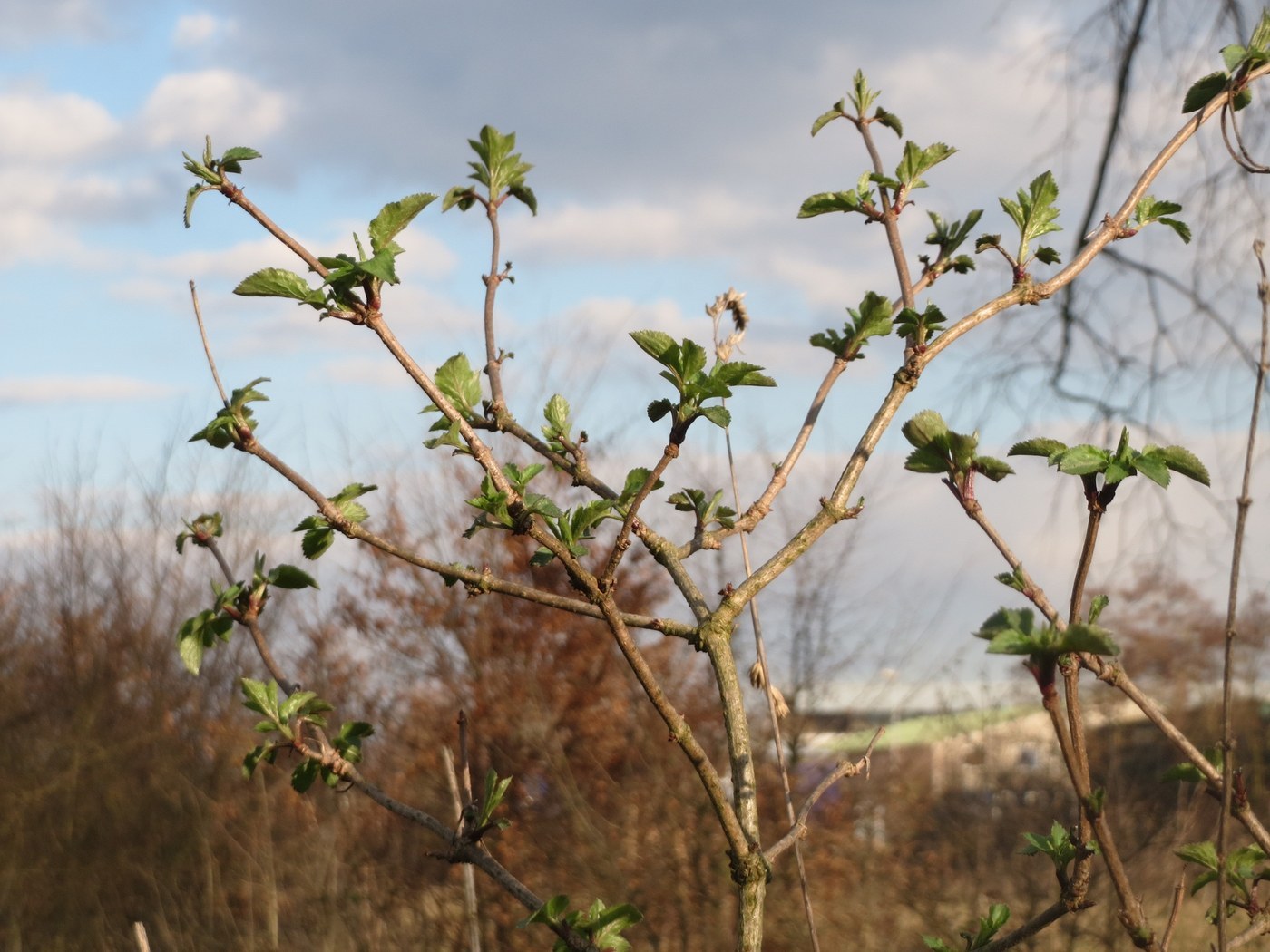
Elderberry (Sambucus nigra) is a fast-growing, deciduous ornamental shrub or small tree valued for its broad, lacy clusters of tiny flowers, handsome divided foliage, and arching, informal shape. It is tough, adaptable, and easy, thriving in a wide range of conditions with minimal fuss.
Light
Elderberry grows in full sun to part shade. Full sun produces the most abundant flowering and the densest, sturdiest growth, which is especially important for the colorful-leaved ornamental cultivars that need bright light to develop their best foliage tones. In partial shade the shrub grows looser and flowers somewhat less freely.
Water
Elderberry prefers consistently moist soil and appreciates regular watering, especially while young and during dry spells. It is naturally found along damp stream banks and hedgerows, so it tolerates ground that stays on the moist side better than most shrubs. Established plants have some drought tolerance but flower and grow best when not allowed to dry out for long.
Soil & Potting
This is an unfussy shrub that grows in most soils, including heavy clay and damp ground, as long as it does not sit in stagnant water indefinitely. It thrives in moist, fertile, humus-rich soil. Enrich poor ground with compost at planting. Elderberry is usually grown in the ground because of its eventual size, though compact cultivars can be kept in large containers with a rich, moisture-retentive mix.
Humidity & Temperature
Elderberry is very cold-hardy and tolerates a broad range of climates. It handles cold winters and moderate summer heat well, and prefers cooler, moister conditions to hot, arid ones. It has no special humidity requirements. Being deciduous, it drops its leaves and rests over winter, flushing back vigorously in spring.
Feeding
Elderberry is a strong grower and benefits from a spring feeding with a balanced fertilizer or, more simply, an annual mulch of compost or well-rotted manure around the base. This mulch also conserves the soil moisture the plant loves. Avoid excessive high-nitrogen feeding, which promotes soft, leafy growth at the expense of flowers.
Propagation
Elderberry propagates very easily. Hardwood cuttings taken in the dormant season root readily when pushed into moist soil, and softwood cuttings in early summer also work well. Established plants often produce suckers and rooted layers around the base that can be dug up and replanted. Seed is possible but slower and less predictable than cuttings.
Repotting / Pruning
Elderberry responds well to hard pruning and can be cut back in late winter while dormant to control size and encourage vigorous new growth, which is especially useful for foliage cultivars. Remove old, weak, or crowded stems at the base to renew the shrub. Container plants should be repotted or root-pruned every couple of years in early spring. Because it grows so fast, regular pruning keeps it shapely.
Common Problems & Pests
Elderberry is generally trouble-free. Aphids can cluster on soft new shoots and flower stems and are easily hosed off or tolerated. Occasional borers may affect older canes; cut out and dispose of damaged stems. Powdery mildew and leaf spots may appear in humid, crowded conditions, so prune for airflow. Its main habit issue is vigorous suckering, which you can dig out to keep the plant contained.
Seasonal Care Tips
Prune hard in late winter while dormant to shape and rejuvenate. In spring, mulch generously and feed as new growth begins. Water consistently through the growing season, especially in dry weather, to support flowering and lush foliage. Remove suckers as they appear if you want to limit spread. The shrub goes dormant and leafless over winter, needing little attention until spring.
Frequently asked questions
How much sun does Elderberry need?
Full sun to part shade. Full sun gives the most flowers and densest growth, and is especially important for colored-leaf cultivars to develop their best foliage tones.
How often should I water Elderberry?
Water regularly to keep the soil moist, particularly while young and in dry spells. Elderberry naturally grows in damp ground and dislikes prolonged drying out, though it drains-tolerant soil.
When and how should I prune Elderberry?
Prune in late winter while dormant. You can cut it back hard to control size and spur vigorous new growth, and remove old or crowded stems at the base to renew the shrub.
How do I propagate Elderberry?
Very easily. Take hardwood cuttings in the dormant season or softwood cuttings in early summer and root them in moist soil. You can also dig up and replant rooted suckers from the base.
Is Elderberry easy to grow?
Yes, it is one of the easiest ornamental shrubs. It is fast, cold-hardy, and adaptable to most soils, tolerates damp ground, and has few serious pest problems.
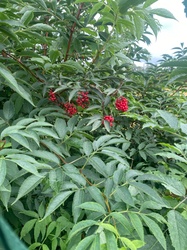
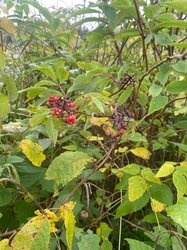
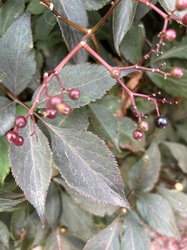
Elderberry identified by the community
Recent Elderberry specimens identified with Plant Identifier.