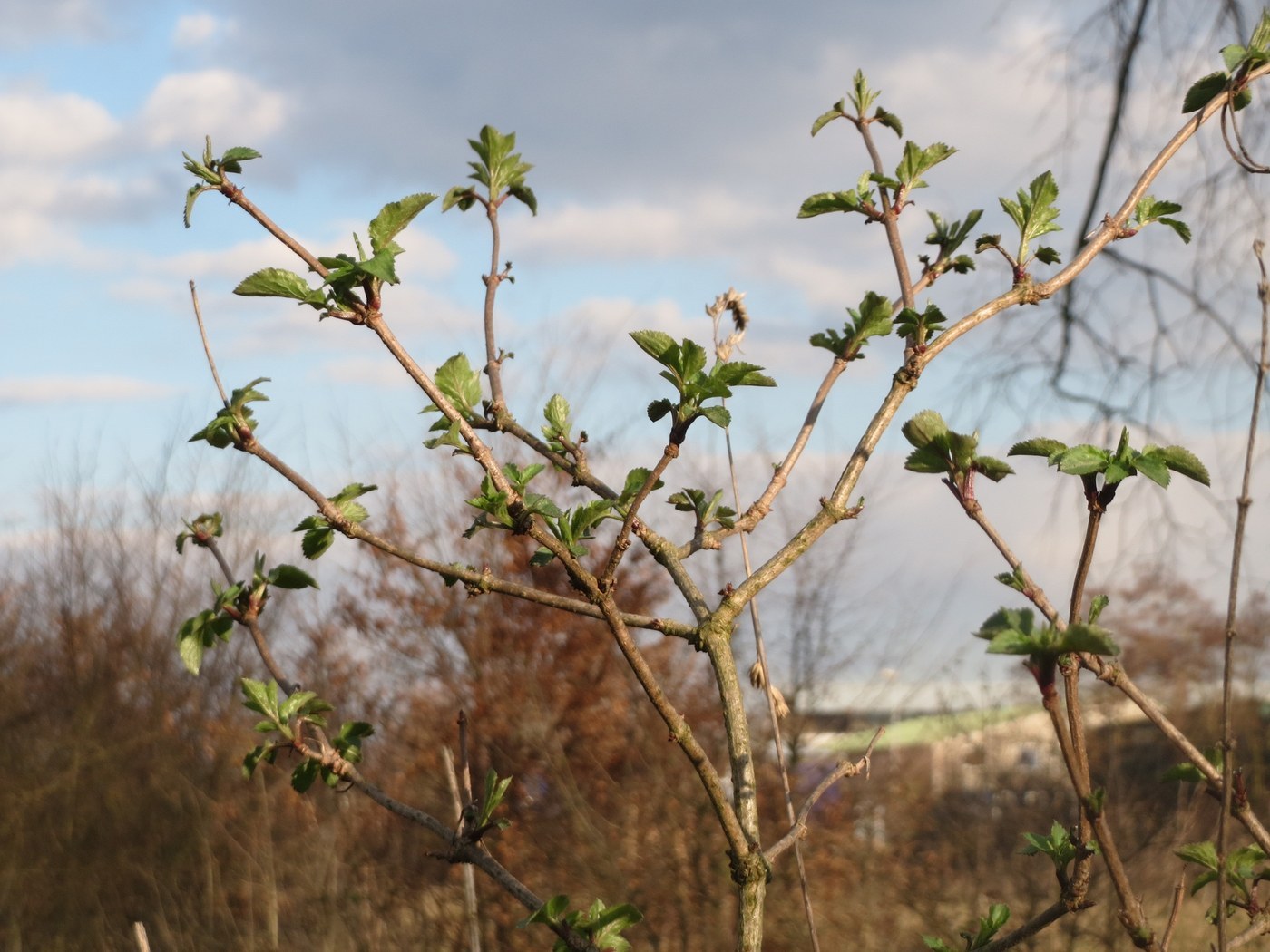
Elderberry
Sambucus nigra
Elderberry is a fast-growing deciduous shrub bearing large creamy flower clusters in early summer and drooping bunches of small dark purple-black berries in late summer.
- Light
- Full sun to part shade
- Water
- Regular; prefers moist soil
- Difficulty
- Easy
Got a plant like this?
Identify any plant from a photo, free.
Overview
Elderberry, or elder, is a vigorous deciduous shrub or small tree in the family Adoxaceae (formerly Caprifoliaceae), reaching 2-6 m (6-20 ft). It is grown ornamentally and for its flowers and fruit, and is steeped in European folklore.
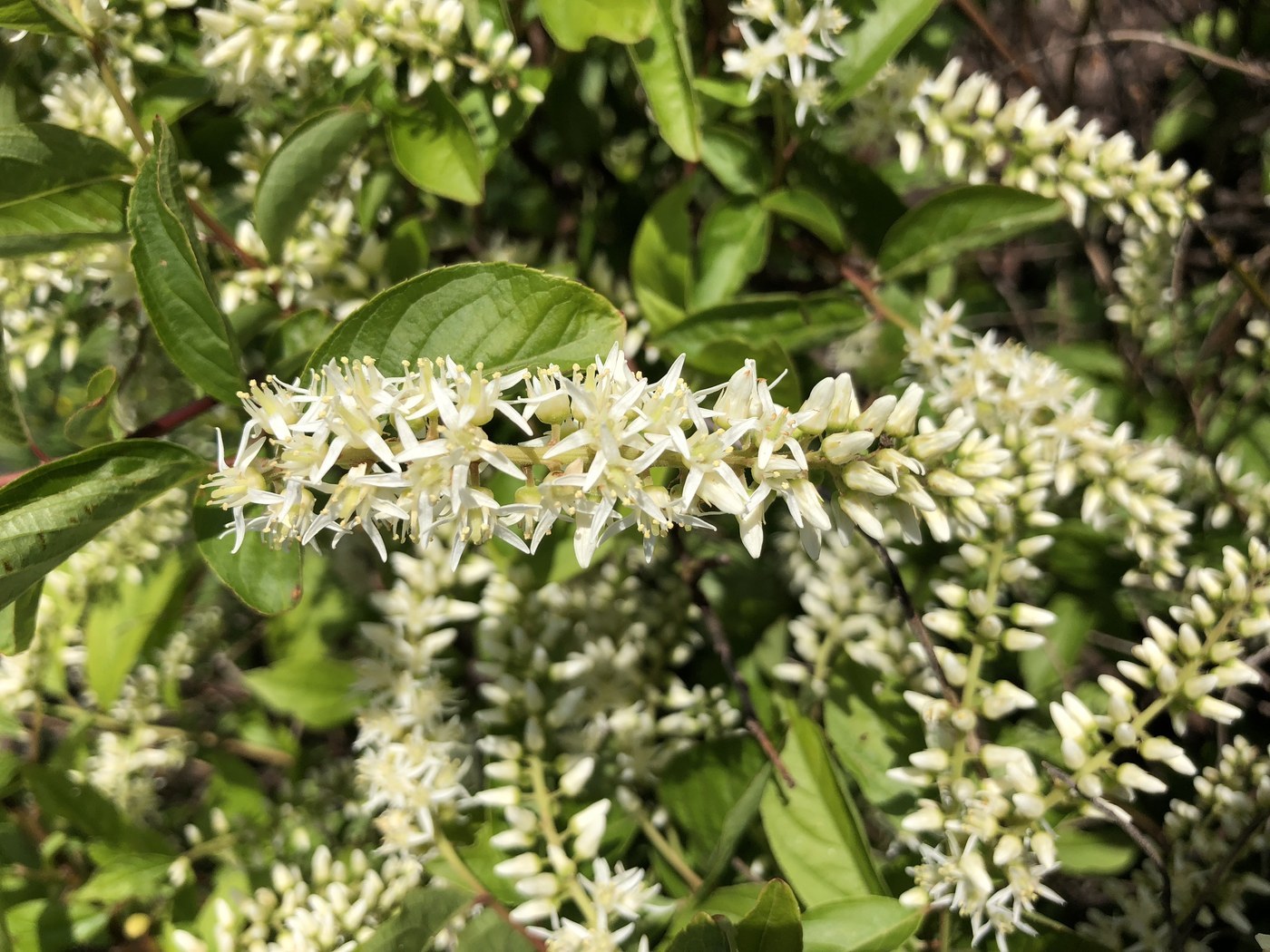
In early summer it produces large, flat, creamy-white flower clusters (elderflowers), followed in late summer by drooping bunches of small dark purple-black berries.
How to identify it
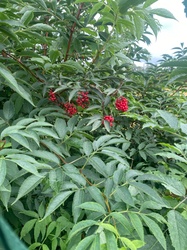
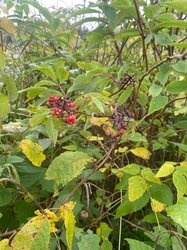
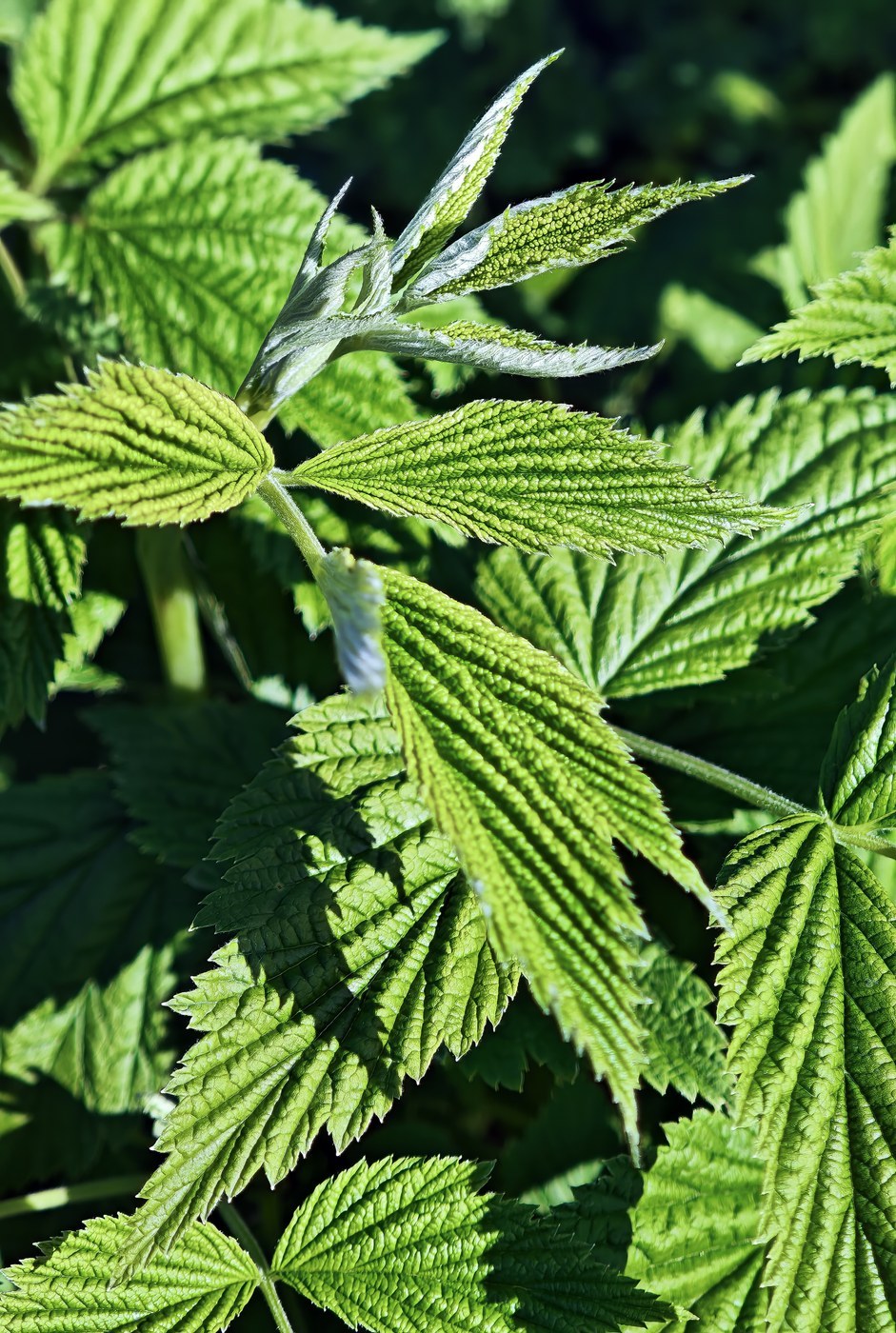
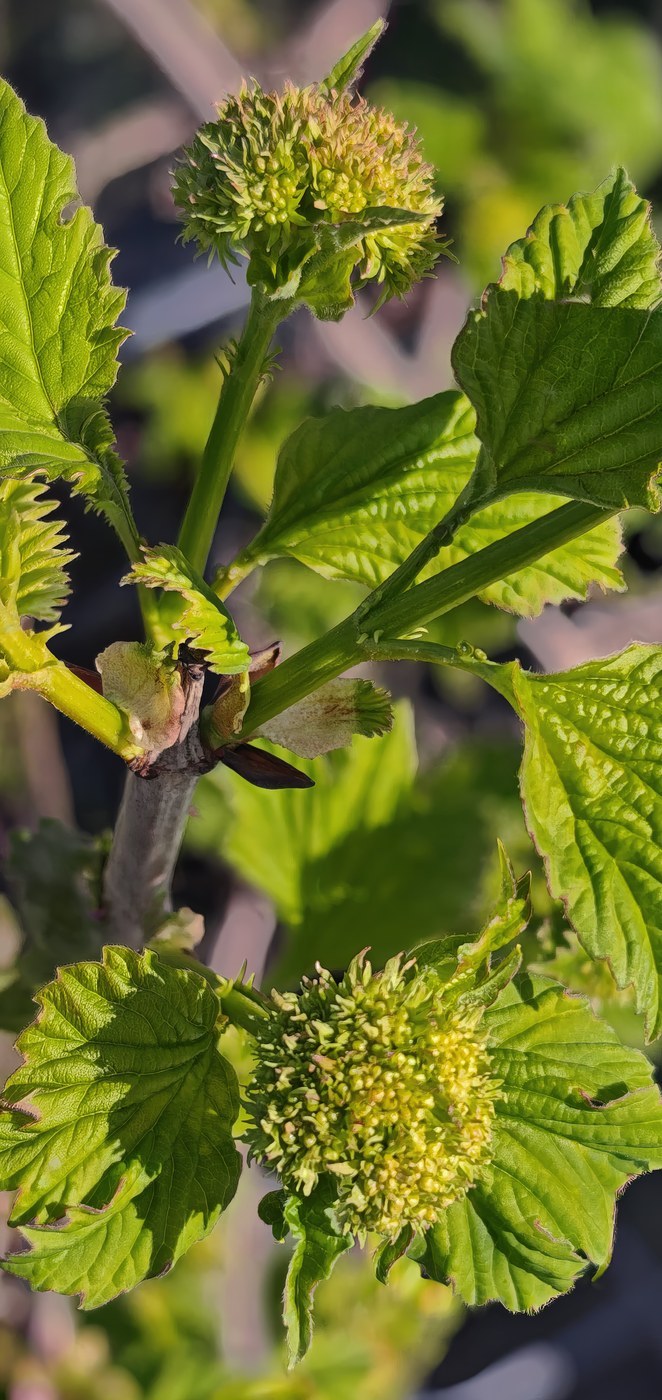
- Leaves: Pinnately compound, with 5-7 oval, toothed leaflets; opposite arrangement
- Flowers: Large flat-topped clusters (corymbs) of tiny creamy-white, fragrant blooms in early summer
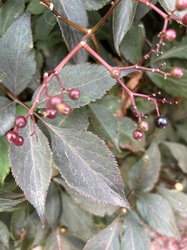
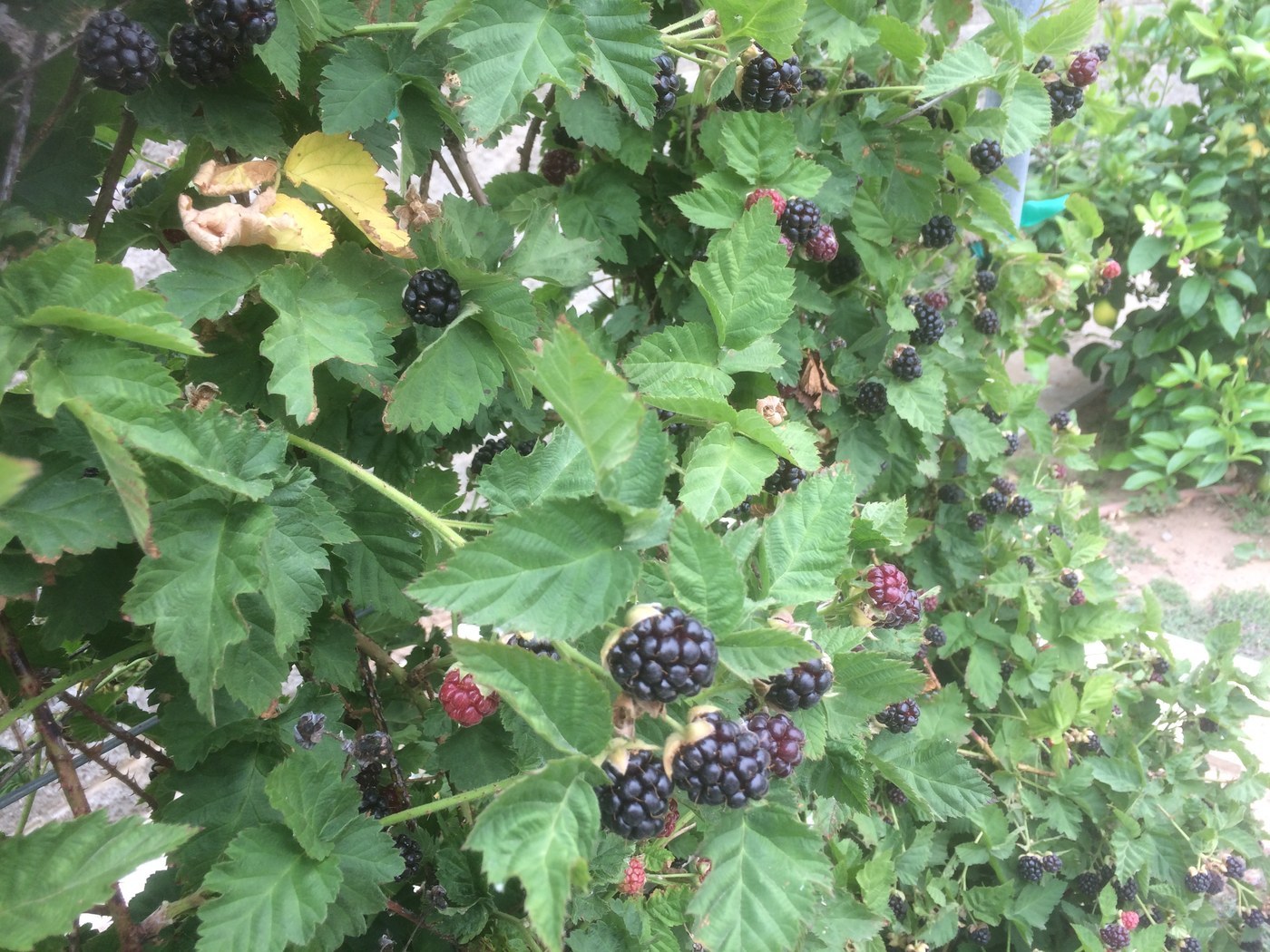
- Berries: Small, round, glossy purple-black berries in heavy drooping clusters in late summer
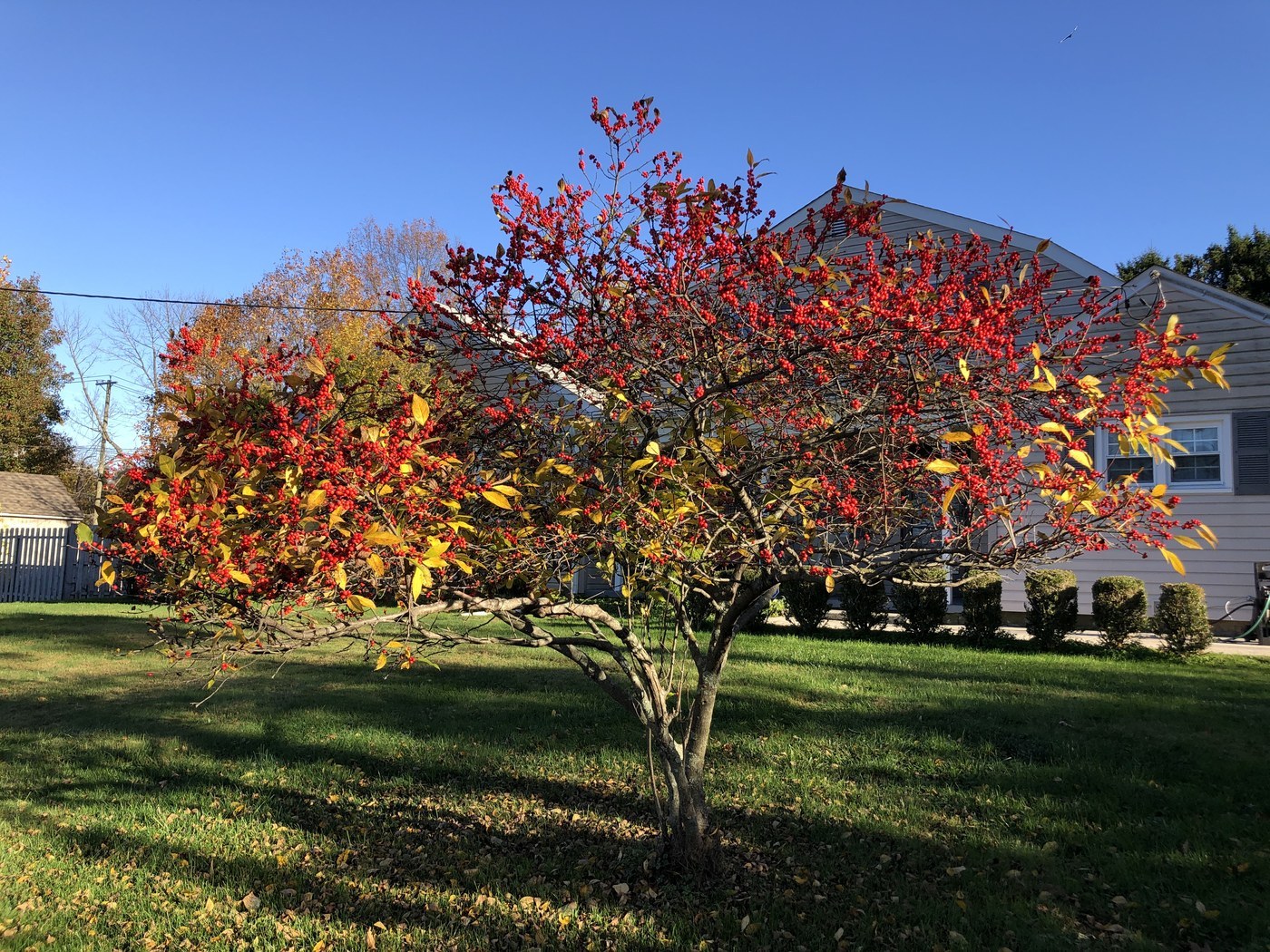
- Habit: Multi-stemmed deciduous shrub or small tree, fast-growing and arching
- Stems: Soft, pithy young stems with grayish bark
Care & growing
- Light: Full sun to partial shade; best fruiting in sun
- Water: Regular; prefers consistently moist soil and tolerates damp ground
- Soil: Adaptable but thrives in moist, fertile, well-drained soil
- Temperature: Hardy, roughly zones 4-8 (European elder); American elder S. canadensis is similar
- Feeding: Light feeding in spring supports growth and fruiting
- Propagation: Easy from hardwood or softwood cuttings, or seed; plant two cultivars for better fruit set
Habitat & origin
European elderberry is native to Europe, North Africa and western Asia, growing in hedgerows, woodland edges, ditches and damp waste ground. The closely related American elderberry (Sambucus canadensis) fills the same role across eastern North America.
Elder thrives in moist, fertile soils and is widely grown in gardens and hedgerows.
Frequently asked questions
Do I need two elderberry bushes for fruit?
Many cultivars fruit better with a second compatible variety nearby for cross-pollination, so planting two improves yields.
How do I identify an elderberry shrub?
Look for opposite, pinnately compound leaves of 5-7 toothed leaflets, large flat creamy-white flower clusters in early summer, and drooping bunches of small purple-black berries later in the season.
How big does elderberry grow?
It is a fast-growing, multi-stemmed deciduous shrub or small tree reaching about 2-6 m (6-20 ft) with an arching habit.
How do I propagate elderberry?
It roots easily from hardwood or softwood cuttings, and can also be grown from seed; the young stems are soft and pithy.
Elderberry guides
In-depth guides for identifying, growing, and caring for Elderberry.
How to Care for Elderberry
Grow guide for Elderberry (Sambucus nigra): a fast, hardy ornamental shrub with lacy flowers and handsome foliage that loves moist, rich soil.
Elderberry Identification Guide
Identify common elder by its pinnate compound leaves, pithy stems, flat-topped creamy-white flower clusters, and drooping bunches of small dark purple-black berries.
Elderberry identified by the community
Real specimens identified with Plant Identifier.