
How to Care for Elephant Ear Cactus
Grow the charming Elephant Ear Cactus (Opuntia microdasys) with full sun and very sparing water for an easy, drought-loving prickly pear.
Read the full Elephant Ear Cactus encyclopedia entry →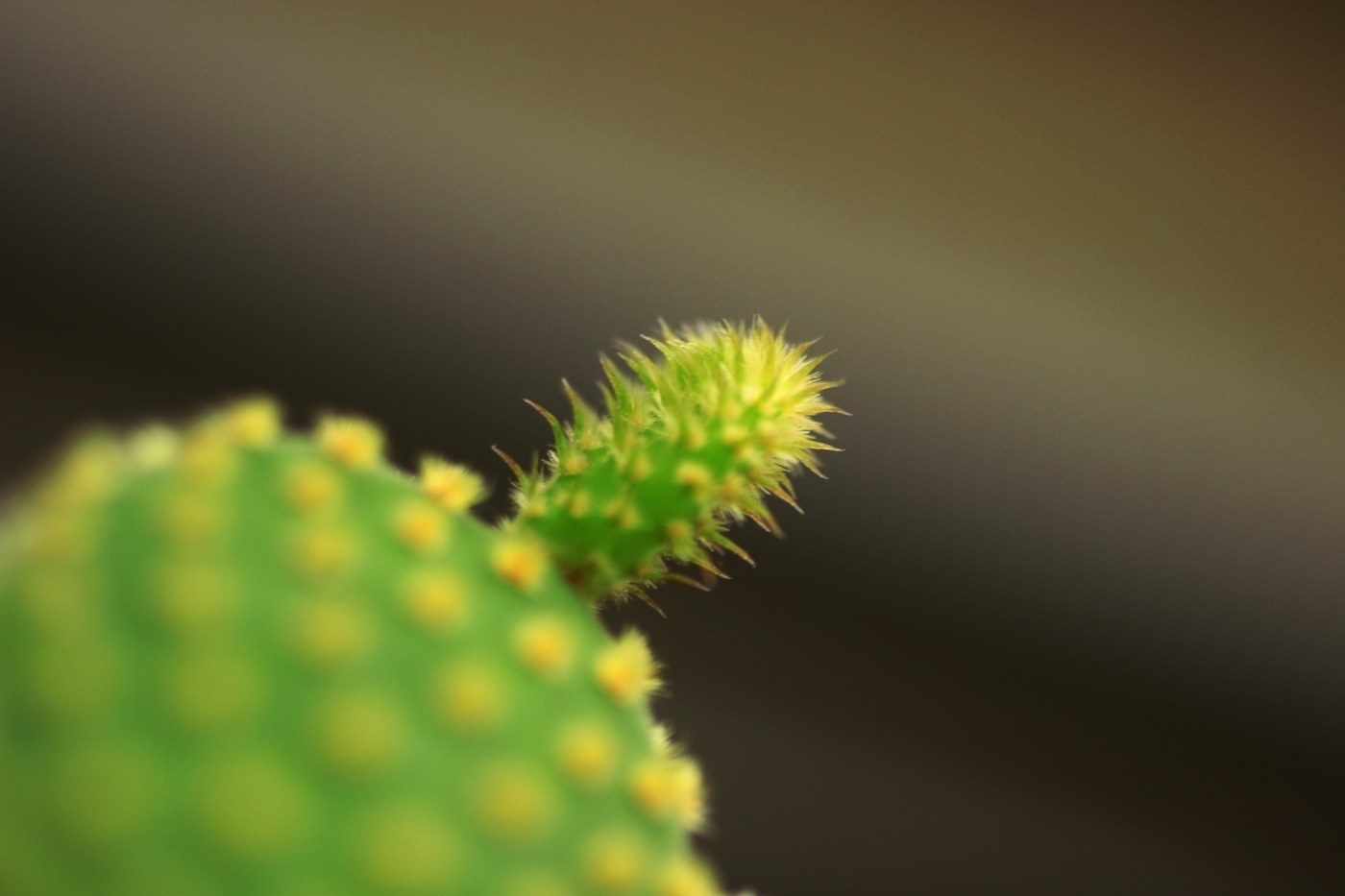
The Elephant Ear Cactus (Opuntia microdasys), also known as bunny ears cactus, is a compact prickly pear whose flat oval pads sprout in pairs like ears. Its pads are dotted with tufts of fine barbed bristles called glochids. It is an easy, drought-loving cactus that thrives on sun and neglect.
Light
This cactus wants full sun to very bright light. Give it the sunniest window you have, ideally south-facing, or grow it outdoors in full sun during warm months. Ample light keeps the pads plump and the growth compact. In too little light it grows pale, etiolated, and weak. Rotate the pot periodically for even growth.
Water
Water sparingly and always let the soil dry out fully between waterings. During spring and summer, a deep soak every couple of weeks is usually enough; in fall and winter, water rarely, perhaps monthly or less. Overwatering is the surest way to rot this cactus. When in doubt, wait; it tolerates drought far better than soggy soil.
Soil & Potting
Use a very gritty, fast-draining cactus mix amended with extra pumice, coarse sand, or perlite. Sharp drainage is non-negotiable. Choose a pot with drainage holes; terracotta is ideal because it dries quickly. Handle the plant with folded newspaper, tongs, or thick gloves to avoid the barbed glochids, which detach easily.
Humidity & Temperature
Elephant Ear Cactus loves warm, dry conditions and typical room temperatures of 65 to 85 degrees Fahrenheit. It needs low humidity and good airflow. It is not frost-tolerant, so keep it above about 50 degrees; a cool, dry winter rest around 50 to 55 degrees encourages healthy growth and, in mature plants, flowering.
Feeding
Feed lightly once or twice during spring and summer with a diluted cactus fertilizer. This slow grower needs little food. Do not fertilize during the fall and winter dormancy.
Propagation
Propagation is very easy from pads. Using tongs and gloves, gently detach a healthy pad, let the cut end callus over for several days to a week, then set it in dry cactus mix. Water only lightly once roots begin to form. Warmth and bright light speed rooting.
Repotting / Pruning
Repot every couple of years in spring when the plant outgrows its pot, always into dry mix, and wait a few days before watering. Handle with heavy protection against the glochids. Pruning is rarely needed; you can remove damaged pads at the joint to shape the plant or start new ones.
Common Problems & Pests
Soft, discolored, or shriveling pads usually indicate overwatering and root rot. A stretched, pale plant needs more light. Cochineal scale, appearing as white cottony masses, along with mealybugs and spider mites, can attack; treat by hosing off, wiping, or spot-treating. Corky brown patches at the base are often just natural aging.
Seasonal Care Tips
In spring and summer, provide full sun, water when the soil is fully dry, and give a light feeding. In fall, taper watering as growth slows. In winter, keep the plant cool, dry, and bright to allow a rest period that supports vigor and potential blooming.
Frequently asked questions
Why is my Elephant Ear Cactus turning soft and mushy?
Soft, discolored, or shriveling pads are classic signs of overwatering and root rot. Let the soil dry out completely, ensure the pot drains freely, and water only sparingly going forward.
How much sun does Elephant Ear Cactus need?
As much as you can give it. Full sun or the brightest window keeps the pads plump and growth compact. In low light it becomes pale and stretched.
How do I handle the fine bristles safely?
The tufts, called glochids, are barbed and detach easily, so always handle the cactus with tongs, folded newspaper, or thick gloves rather than bare hands when repotting or propagating.
How do I propagate Elephant Ear Cactus?
Detach a healthy pad with tongs, let the cut end callus for several days to a week, then set it on dry cactus mix. Water lightly only once roots begin to form.