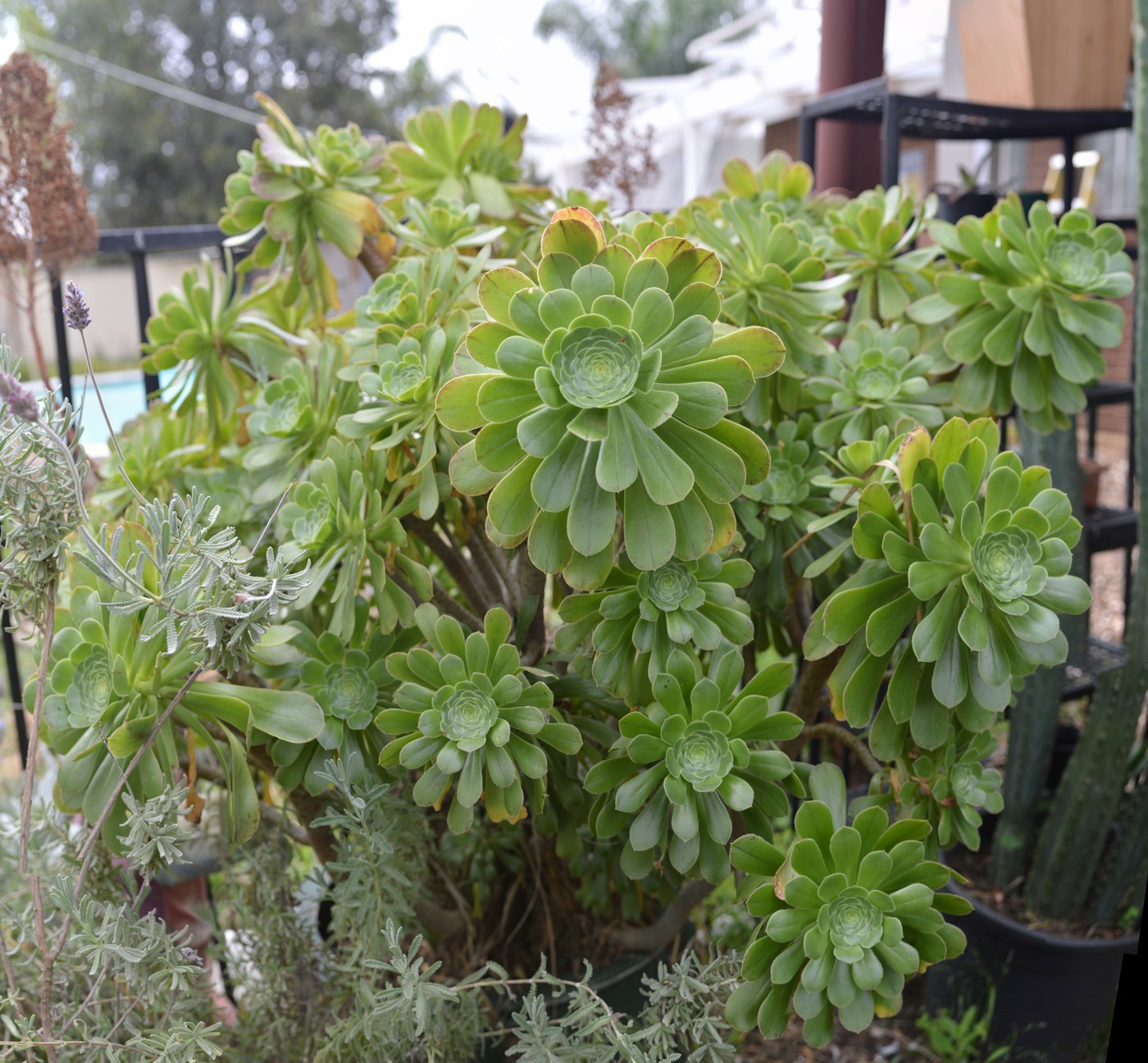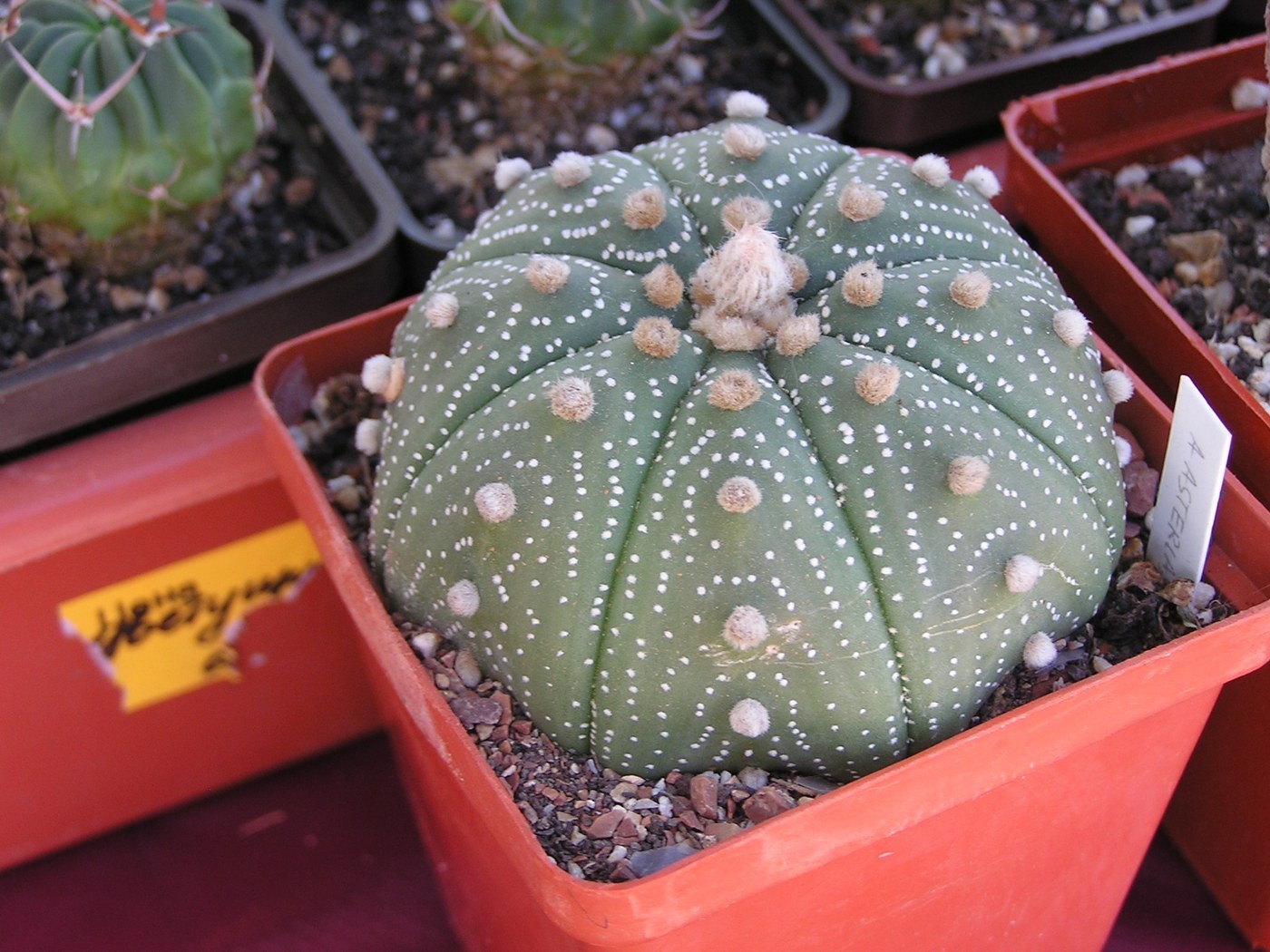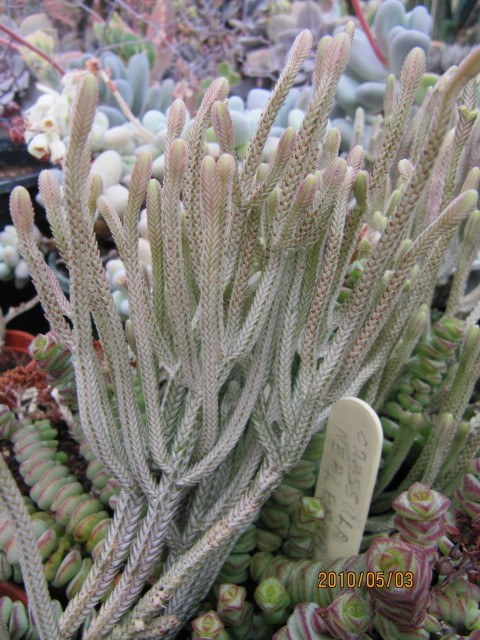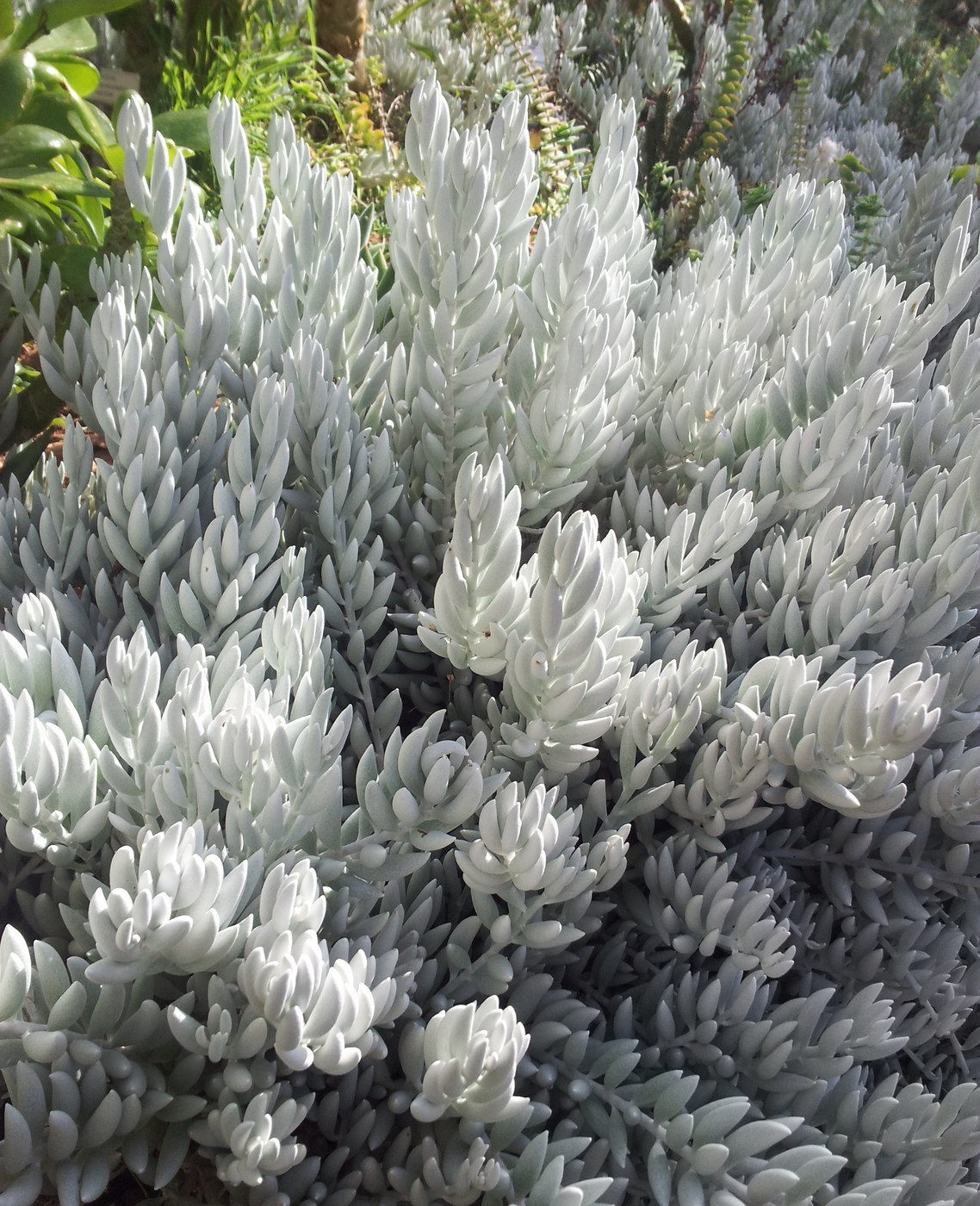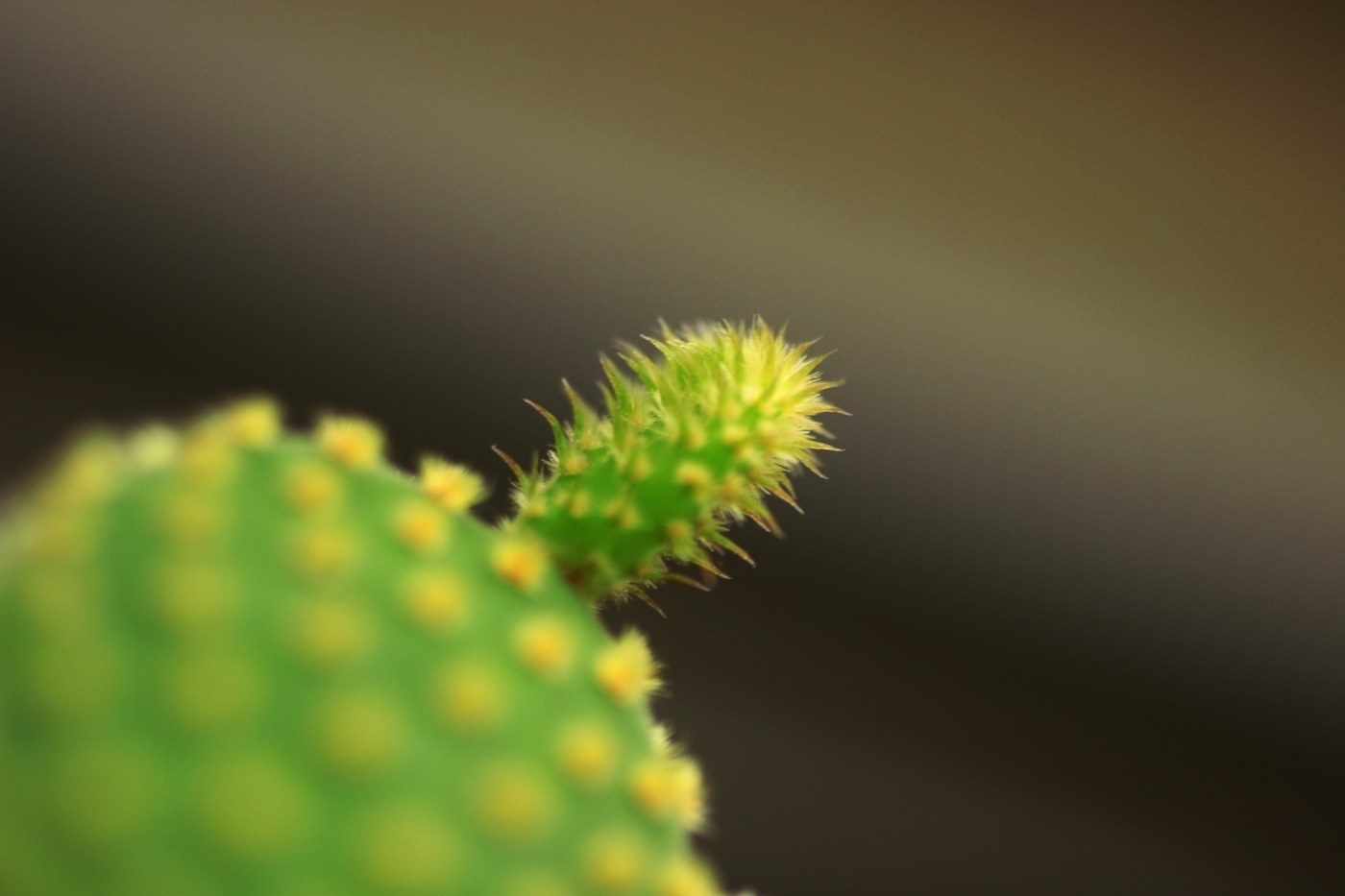
Elephant Ear Cactus
Opuntia microdasys
A prickly pear with flat, rounded green pads that branch into ear-like shapes. Instead of long spines it bears dense tufts of tiny barbed glochids that detach at the lightest touch.
- Light
- Full sun to bright light
- Water
- Sparingly; dry out fully between
- Difficulty
- Easy
Got a plant like this?
Identify any plant from a photo, free.
Overview
Elephant Ear Cactus is a flat-padded prickly pear grown for its appealing, branching silhouette of rounded green pads that resemble big ears or wings. New pads sprout from the edges of older ones, building a bushy, characterful plant.
In place of dangerous long spines, the pads are dotted with neat polka-dot tufts of glochids — tiny barbed bristles that look soft but detach and embed in skin at the slightest brush, so it should never be handled bare-handed.
Easy, fast, and tolerant of neglect, it is a popular and sculptural beginner cactus, closely allied to the bunny-ear and angel's-wings prickly pears.
How to identify it
- Flat, rounded to oval green pads that branch from the edges into ear-like shapes
- No long spines; instead even tufts (areoles) of tiny barbed glochids, often white or golden
- Glochids arranged in a tidy polka-dot pattern across the pads
- Bushy, branching habit that broadens with age
- Cup-shaped yellow flowers in good conditions, sometimes followed by reddish fruit
Care & growing
Light: Full sun to very bright light keeps pads firm and encourages flowering.
Water: Water sparingly and let the soil dry out completely; keep dry in winter.
Soil: Gritty, fast-draining cactus mix.
Temperature: Warm and dry; tolerates heat well and should be protected from frost.
Feeding: Occasional dilute cactus fertilizer in the growing season.
Propagation: Very easy — detach a pad with tongs, let it callus for several days, then set it in dry mix to root.
Habitat & origin
Native to central and northern Mexico, where it grows in hot, arid desert and scrub on well-drained rocky and sandy soils.
Its pads store water and the glochids deter grazing animals in this harsh environment. It is grown worldwide as an ornamental and is naturalized in some warm regions.
Frequently asked questions
Why did I get tiny prickles in my skin just from brushing it?
Those are glochids — clusters of tiny barbed bristles that detach instantly and embed in skin. Always handle the plant with tongs, thick gloves, or folded paper.
How do I propagate it?
Twist off a pad using tongs, let the cut end callus over for several days, then plant it upright in dry, gritty mix and water lightly once rooted.
Why aren't new pads forming?
Usually too little light or too little warmth. Give it full sun and a warm spot, and it will branch new ear-like pads readily.
What do its flowers look like?
In good conditions it produces cup-shaped yellow flowers along the pad edges, sometimes followed by reddish fruit.
Elephant Ear Cactus guides
In-depth guides for identifying, growing, and caring for Elephant Ear Cactus.
How to Care for Elephant Ear Cactus
Grow the charming Elephant Ear Cactus (Opuntia microdasys) with full sun and very sparing water for an easy, drought-loving prickly pear.
Elephant Ear Cactus Identification Guide
Identify the Elephant Ear Cactus (Opuntia, a prickly pear), recognized by its large, flat, rounded pads and tufts of barbed glochids.