
Elephant Ear Cactus Identification Guide
Identify the Elephant Ear Cactus (Opuntia, a prickly pear), recognized by its large, flat, rounded pads and tufts of barbed glochids.
Read the full Elephant Ear Cactus encyclopedia entry →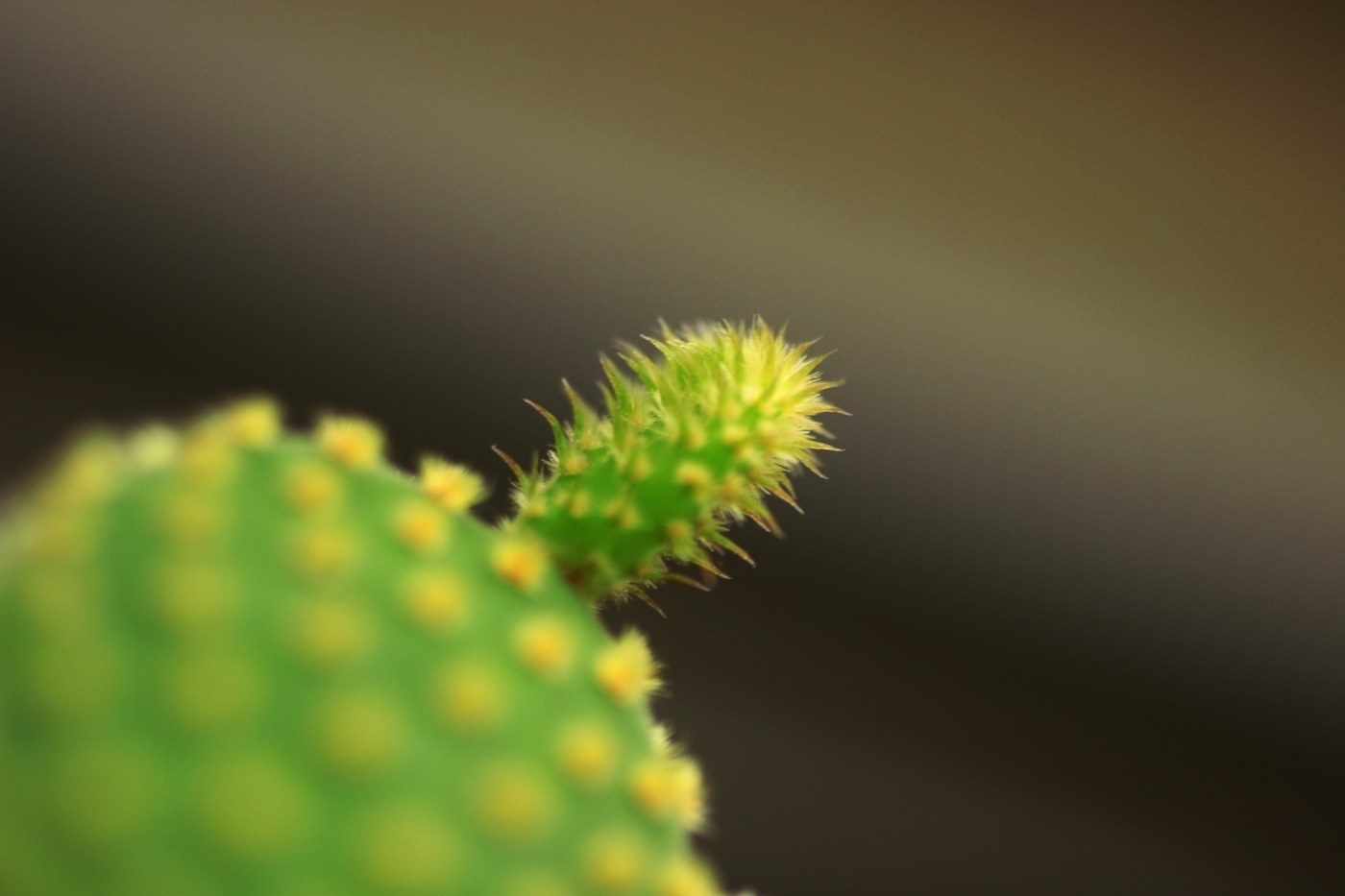
Key Identifying Features
Elephant Ear Cactus is a common name for broad-padded prickly pears (Opuntia) whose large, rounded pads resemble an elephant's ear. Look for:
- Flat, paddle-shaped pads (cladodes) joined end to end.
- Large, broad, rounded pad shape giving the 'ear' look.
- Areoles bearing tufts of tiny barbed bristles (glochids), with or without longer spines.
Pads & Spines
The segments are flattened green pads, often 6-14 in (15-35 cm) long, broadly oval to nearly round and thinner than the cylindrical stems of other cacti. New pads sprout from the edges of older ones, building a branching, shrubby plant. Across each pad sit evenly spaced areoles, and from each one grows a cluster of glochids — short, hair-fine, backward-barbed bristles (often yellowish or brown) that detach at the slightest touch. Depending on the variety, areoles may also carry few or no large spines (some 'Elephant Ear' types are nearly spineless, others bear scattered white-to-tan spines).
The green is typically a fresh to bluish green, sometimes purpling under drought or cold stress.
Flowers & Fruit
In spring to summer it bears large, showy, cup-shaped flowers along the pad edges, usually yellow to orange or red. These are followed by the classic fleshy egg-shaped fruits ('tunas'), often reddish-purple when ripe, also studded with glochids.
How to Tell It Apart from Look-Alikes
- Opuntia microdasys (Bunny Ears): smaller, almost spineless pads with dense polka-dot tufts of golden glochids; Elephant Ear types have much larger pads.
- Cylindropuntia (Cholla): cylindrical, not flat, segments.
- Nopalea / Epiphyllum: flat but the latter are leaf-like jungle cacti with no glochids.
- Agave: has fibrous spine-tipped leaves, not jointed pads or glochids.
Where You'll Find It
Prickly pears are widespread in the Americas and naturalized in warm regions worldwide; large-padded Opuntias are grown as landscape and hedge cacti in USDA 8-11. Found in deserts, scrub, dry slopes, and gardens. Handle carefully — the glochids detach easily.
Quick ID Checklist
- Large flat, rounded pads like an elephant's ear
- Pads joined end-to-end, branching
- Glochid tufts at each areole (barbed bristles)
- Few or no large spines (variety-dependent)
- Yellow/orange flowers then fleshy 'tuna' fruit
Frequently asked questions
Is Elephant Ear Cactus a specific species?
It is a common name applied to broad-padded prickly pears (Opuntia) whose large rounded pads resemble elephant ears. Several Opuntia varieties are sold under this name.
Are the pads spineless?
Many Elephant Ear types have few or no large spines, but all prickly pears have glochids, the tiny barbed bristles in the areoles, present even on 'spineless' forms.
What are glochids?
Glochids are the tufts of tiny, hair-fine, backward-barbed bristles at each areole. They detach at a touch and are the main reason to handle prickly pears with care.
What do the flowers look like?
Flowers appear along the pad edges in spring to summer and are large, showy, and cup-shaped, usually yellow to orange or red, followed by egg-shaped 'tuna' fruits.