
How to Care for Elephant Ear Plant
Grow dramatic Elephant Ear Plant with bright light, constant moisture, warmth, and rich soil for huge heart-shaped leaves.
Read the full Elephant Ear Plant encyclopedia entry →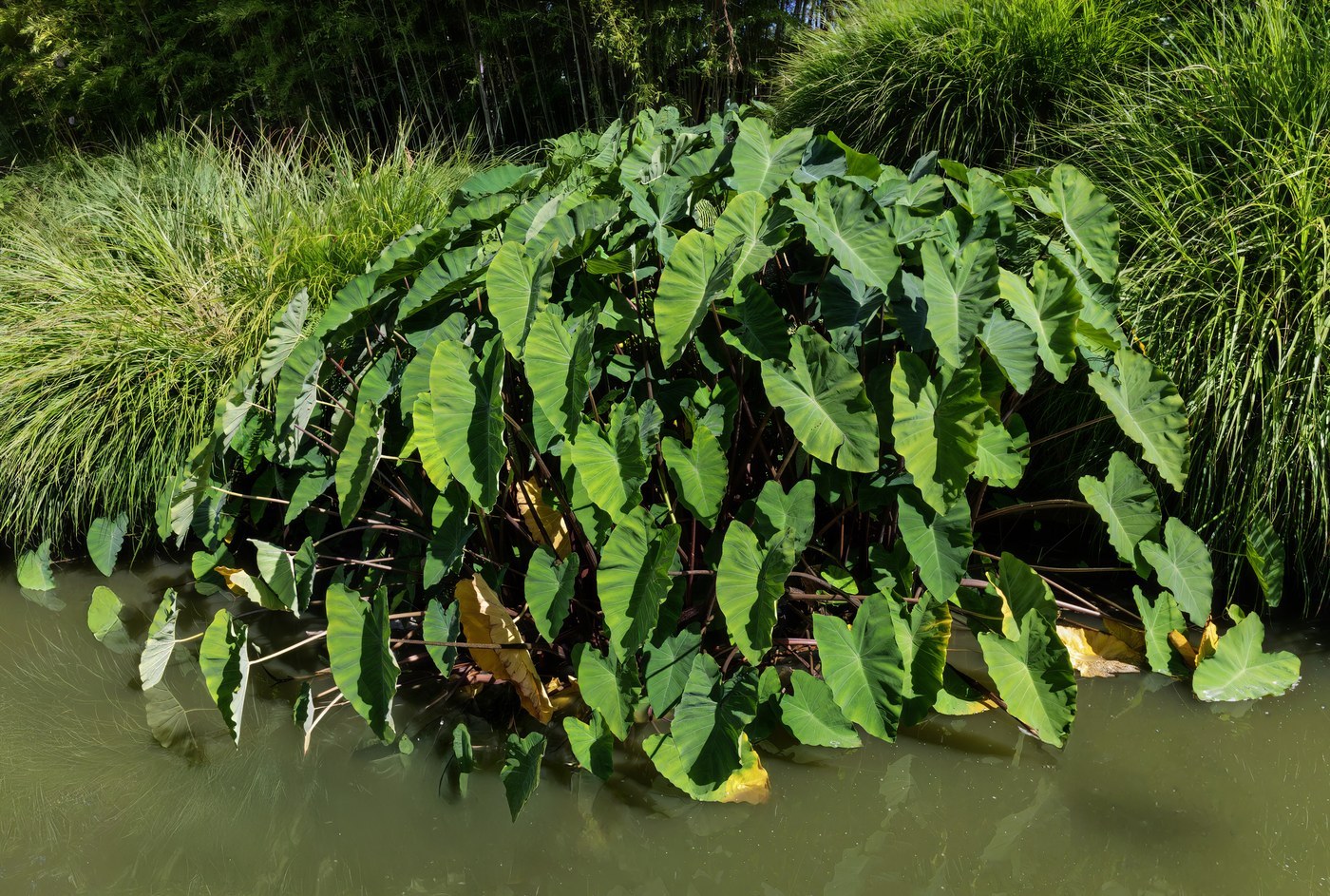
The Elephant Ear Plant (Colocasia esculenta) is a bold tropical foliage plant grown for its enormous, heart-shaped leaves held on tall arching stems. It brings a lush, jungle-like presence to gardens, patios, and large containers, and rewards warmth, moisture, and feeding with fast, dramatic growth.
Light
Give it bright indirect light to full sun. In cooler or milder climates it takes full sun happily, producing the largest, most upright leaves, while in hot regions bright indirect light or afternoon shade prevents leaf scorch and keeps the foliage from wilting. Indoors, place it in the brightest spot available. Insufficient light leads to smaller leaves and floppy, stretched stems.
Water
Keep the soil consistently moist at all times; this is a thirsty, moisture-loving plant. It thrives near water and never wants to dry out, so water frequently and generously, especially in warm weather and in containers, which dry quickly. It even tolerates boggy conditions and can be grown at pond margins. Reduce watering when growth slows in cool weather but never let it bake dry.
Soil & Potting
Use a rich, fertile, moisture-retentive soil high in organic matter. A loamy potting mix amended with compost holds the water and nutrients this heavy feeder demands. Containers should be large and sturdy to support the tall leaves, and while good drainage prevents stagnation, the mix should stay reliably damp.
Humidity & Temperature
This is a true tropical that loves heat and humidity. It grows best between 70 and 85 degrees Fahrenheit and suffers below about 60 degrees. High humidity keeps the big leaves from crisping at the edges, so mist or group plants in dry indoor air. It is not frost-hardy; cold triggers dormancy or dieback.
Feeding
As a vigorous grower, it is a heavy feeder. Apply a balanced fertilizer regularly through the growing season, either a liquid feed every two weeks or a slow-release granular feed, to fuel the large leaves. Steady nitrogen keeps foliage big and richly green. Stop feeding in autumn as growth winds down.
Propagation
Elephant Ear is propagated by dividing its tubers or offsets. In spring, lift and separate the underground corms, making sure each piece has a growing point, and replant in rich moist soil. Offsets that form beside the parent can also be detached and potted up on their own.
Repotting / Pruning
Repot or divide in spring when the plant outgrows its container or the clump becomes congested. Remove old, yellowing, or tattered leaves at the base to keep the plant tidy and channel energy into new growth. In cold climates, tubers can be lifted after the first chill, cleaned, and stored somewhere cool and dry over winter, then replanted in spring.
Common Problems & Pests
Spider mites, aphids, and mealybugs may appear, particularly on indoor or stressed plants; rinse the leaves and treat with insecticidal soap. Crispy brown leaf edges indicate dry soil or low humidity, while yellowing lower leaves can come from cold or natural aging. Sudden collapse in cool weather is usually the plant going dormant rather than dying.
Seasonal Care Tips
Growth explodes in the warm, humid months, when abundant water and regular feeding produce the biggest leaves. As temperatures drop, the plant slows or dies back to its tuber; reduce watering and stop feeding. In frost-prone areas, lift and store the tubers over winter, then replant once the weather warms in spring.
Frequently asked questions
How much water does an Elephant Ear Plant need?
A lot. Keep the soil consistently moist and water frequently, especially in heat and in containers. It loves damp conditions and even tolerates boggy soil, so never let it dry out.
Why are the leaf edges turning brown and crispy?
Crispy edges usually mean the soil dried out or the air is too dry. Water more consistently and raise humidity by misting, using a pebble tray, or grouping plants.
My Elephant Ear collapsed in autumn. Is it dead?
Probably not. It naturally goes dormant and dies back to its tuber in cold weather. Reduce watering, stop feeding, and in frost-prone areas lift and store the tuber to replant in spring.
Does it need full sun or shade?
It grows in bright indirect light to full sun. Give it full sun in cooler climates for the biggest leaves, but provide afternoon shade in hot regions to prevent scorching.