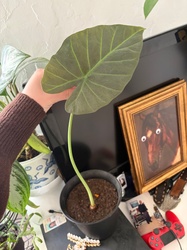
How to Care for Elephant Ear
Grow lush, tropical Elephant Ear (Colocasia esculenta) with bright light, constant moisture, warmth, and rich, humus-heavy soil.
Read the full Elephant Ear encyclopedia entry →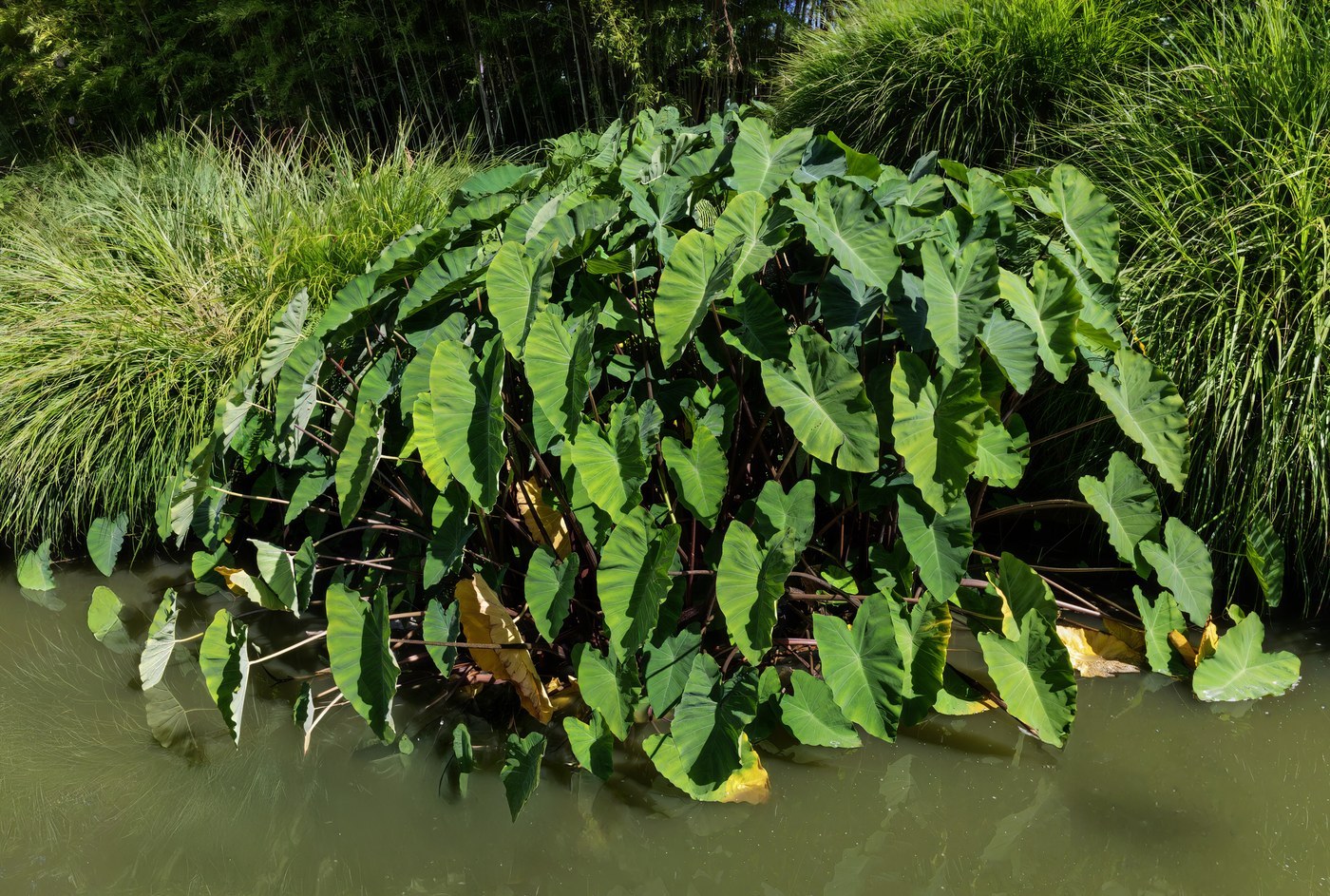
Elephant Ear (Colocasia esculenta) is a bold tropical grown for its enormous, heart-shaped, gently drooping leaves that lend an instant jungle feel to gardens, patios, and bright interiors. It is a moisture-loving, heat-hungry plant that rewards steady care with dramatic, fast summer growth.
Light
Give Elephant Ear bright indirect light to partial sun. Indoors, place it near a large east- or west-facing window, or a few feet back from a south window with sheer filtering. Outdoors it thrives in dappled or morning sun with shelter from harsh midday rays, which can scorch the broad leaves. Too little light produces small, pale, floppy foliage on stretched stems; brighter conditions yield larger, better-colored leaves. Rotate potted plants weekly so growth stays even.
Water
Keep the soil consistently moist at all times – this is a bog-margin plant that never wants to dry out. During active growth in warm weather it may need daily watering, and it will even sit happily in a saucer of standing water or the shallow edge of a water feature. Reduce watering when growth slows in cooler months, but never let the rootball become bone dry or the leaves will wilt, yellow, and crisp. Use tepid water and aim for evenly damp, not stagnant and sour, soil in containers with drainage.
Soil & Potting
Plant in a rich, heavy, moisture-retentive mix high in organic matter. A blend of quality potting soil with added compost, coco coir, and a little loam holds water well while feeding the hungry tuber. Choose a large, sturdy pot – these plants grow fast and top-heavy – with drainage holes, though they tolerate slower-draining soils better than most houseplants. Set the corm just below the surface with the pointed growth end up.
Humidity & Temperature
Elephant Ear loves warmth and humidity. Keep temperatures between 65–85°F (18–29°C) and protect it from anything below about 50°F (10°C); cold quickly checks growth and can send it into dormancy. Aim for 60% or higher humidity – group with other plants, use a pebble-humidity tray, or run a humidifier indoors. In dry air the leaf edges brown. It appreciates good air circulation to keep foliage healthy.
Feeding
This is a heavy feeder during its active season. Apply a balanced or slightly nitrogen-forward liquid fertilizer every 2–4 weeks from spring through late summer, or work a slow-release granular feed into the soil at planting. Well-fed plants push out the largest leaves. Stop feeding in fall and winter while growth is dormant or slow.
Propagation
Propagate by division of the underground corms and offsets. In spring, lift the plant, separate the tuberous clumps and any pups, ensuring each division has a growing point, and replant. Small cormlets can be potted individually and grown on in warmth and moisture. Division is easiest at repotting time or when the plant emerges from dormancy.
Repotting / Pruning
Repot annually or whenever roots fill the container, moving up one pot size in spring as growth resumes. Refresh the soil to replenish nutrients. Pruning is simple: trim off yellowed, tattered, or spent leaves at the base with clean shears to keep the plant tidy and direct energy into fresh foliage. In cold climates, containers can be brought indoors or the corms stored dormant over winter.
Common Problems & Pests
The most common issue is under-watering, shown by wilting and crisp, browning leaves; keep it moist to fix this. Yellowing lower leaves can signal cold, natural aging, or overly soggy stagnant soil. Watch for spider mites (fine webbing, stippled leaves) in dry indoor air, plus aphids and mealybugs; rinse foliage and treat with insecticidal soap. Fungal leaf spots appear in stagnant, humid, poorly ventilated conditions – improve airflow and avoid wetting foliage late in the day.
Seasonal Care Tips
In spring, repot, resume feeding, and increase watering as new leaves unfurl. Through summer, water generously and feed regularly for peak growth; this is the show season. In fall, taper feeding and watering as growth slows. In winter, many plants go dormant – keep the soil barely moist and warm, or lift and store the corms in a cool, frost-free spot until spring.
Frequently asked questions
Why are my Elephant Ear leaves drooping and turning brown?
The most common cause is dryness – this plant demands constantly moist soil. Water thoroughly and keep the rootball evenly damp. Brown crispy edges also point to low humidity, so raise ambient moisture around the plant.
Can Elephant Ear grow in standing water?
Yes. It is a bog-margin plant that tolerates saturated soil and even a shallow saucer of standing water, making it ideal for pond edges or self-watering containers during its warm growing season.
Why did my Elephant Ear die back completely?
In cooler temperatures the plant often goes dormant, dropping its leaves and retreating to the corm. Keep the soil barely moist and warm, and it will typically resprout when warmth and light return in spring.
How do I get bigger leaves on my Elephant Ear?
Give it more light within the bright-indirect-to-partial-sun range, keep it consistently moist and warm, feed regularly during the growing season, and pot it in rich, humus-heavy soil with room for the corm to bulk up.
Elephant Ear identified by the community
Recent Elephant Ear specimens identified with Plant Identifier.