How to Care for Empress Tree
Grow the fast-growing Empress Tree (Paulownia tomentosa) in full sun with well-drained soil and room for its large leaves and spring blooms.
Read the full Empress Tree encyclopedia entry →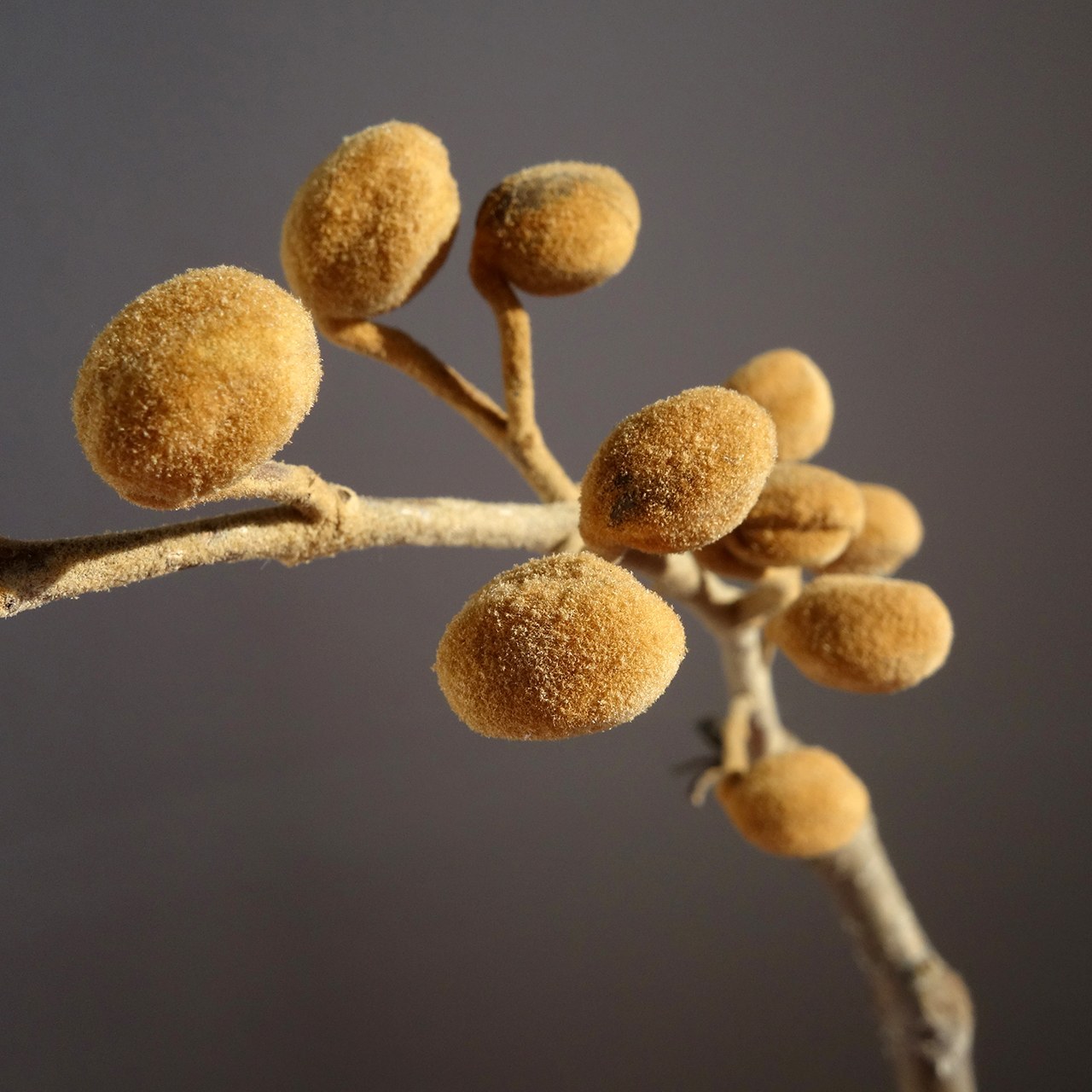
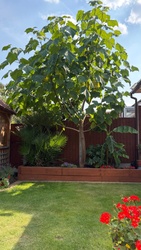
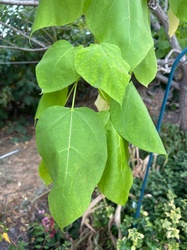
The Empress Tree (Paulownia tomentosa) is one of the fastest-growing deciduous trees, capable of adding several feet in a single season. It is admired for its enormous heart-shaped leaves and, in spring, showy upright clusters of fragrant lavender flowers. Because it is so vigorous and can spread aggressively, choose its site thoughtfully.
Light
The Empress Tree demands full sun for the strongest growth and best flowering. Give it an open location with at least 6 hours of direct light. In too much shade it grows spindly and blooms poorly.
Water
Water moderately while young to establish a deep, strong root system, keeping the soil evenly moist but not waterlogged. Once established, it is notably drought-tolerant and needs supplemental water only during extended dry spells. Avoid consistently soggy ground.
Soil & Potting
This adaptable tree grows in a wide range of soils but prefers deep, well-drained loam. It tolerates poor and disturbed soils, which is part of why it establishes so readily. Good drainage is important, as the roots dislike standing water.
Humidity & Temperature
Particularly cold-hardy once established, the Empress Tree tolerates a broad range of climates. Young trees and late-season growth can be damaged by hard frost, but the plant often resprouts vigorously from the base. It handles heat and humidity well.
Feeding
On poor soils, a balanced fertilizer in spring supports the tree's rapid growth, but on average garden soil it rarely needs much feeding. Excess fertilizer only fuels already fast growth that may need managing, so feed sparingly.
Propagation
The Empress Tree propagates readily from seed, root cuttings, and stump sprouts. Root cuttings taken in late winter are a reliable method, and the tree self-sows freely, which is why it can become weedy in favorable climates.
Repotting / Pruning
Many growers coppice the Empress Tree, cutting it back hard each year to produce huge decorative leaves on vigorous new shoots. Left to grow as a tree, prune in late winter to establish a strong single leader and remove crossing or weak branches. Because it can spread by seed and root suckers, remove unwanted sprouts promptly.
Common Problems & Pests
The Empress Tree is generally robust and pest-resistant. Its main drawbacks are its aggressive self-seeding and suckering, and its somewhat brittle wood, which can break in storms. Watch for occasional leaf spots or mildew in humid, crowded conditions, and improve airflow to prevent them.
Seasonal Care Tips
In spring, enjoy the flowers (which open before the leaves) and apply any needed feeding. Summer brings explosive leafy growth, especially on coppiced plants. In autumn the large leaves drop, and late winter is the time to prune, coppice, or take root cuttings before the next flush of growth.
Frequently asked questions
How fast does an Empress Tree grow?
Extremely fast, often several feet per year and among the fastest-growing trees. This vigor makes it striking but also means it can spread aggressively and needs a well-chosen site.
Why should I coppice an Empress Tree?
Cutting it back hard each year produces vigorous new shoots with enormous, dramatic leaves prized for ornamental effect. Coppicing also keeps the plant's size manageable.
Does the Empress Tree need a lot of water?
Water young trees regularly to establish deep roots, but once established the tree is quite drought-tolerant and needs extra water only during long dry spells.
How do I stop my Empress Tree from spreading?
It self-seeds and suckers freely. Remove seed pods before they scatter, pull up seedlings, and cut back root suckers promptly to keep it contained.
Empress Tree identified by the community
Recent Empress Tree specimens identified with Plant Identifier.