Empress Tree
Paulownia tomentosa
The empress tree is an extremely fast-growing tree with huge fuzzy leaves and upright clusters of fragrant lavender, foxglove-like flowers in spring. It is admired for its rapid growth and bloom but is invasive in many regions.
- Light
- Full sun
- Water
- Moderate; drought-tolerant once established
- Difficulty
- Easy
Got a plant like this?
Identify any plant from a photo, free.
Overview
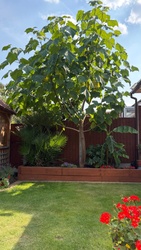
The empress or princess tree, Paulownia tomentosa, is famous for being one of the fastest-growing trees in the world, capable of putting on 10-15 ft in a single season when young.
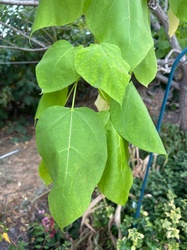
In spring, before the leaves, it bears upright panicles of fragrant, pale violet, trumpet-shaped flowers resembling foxgloves, followed by enormous heart-shaped fuzzy leaves.
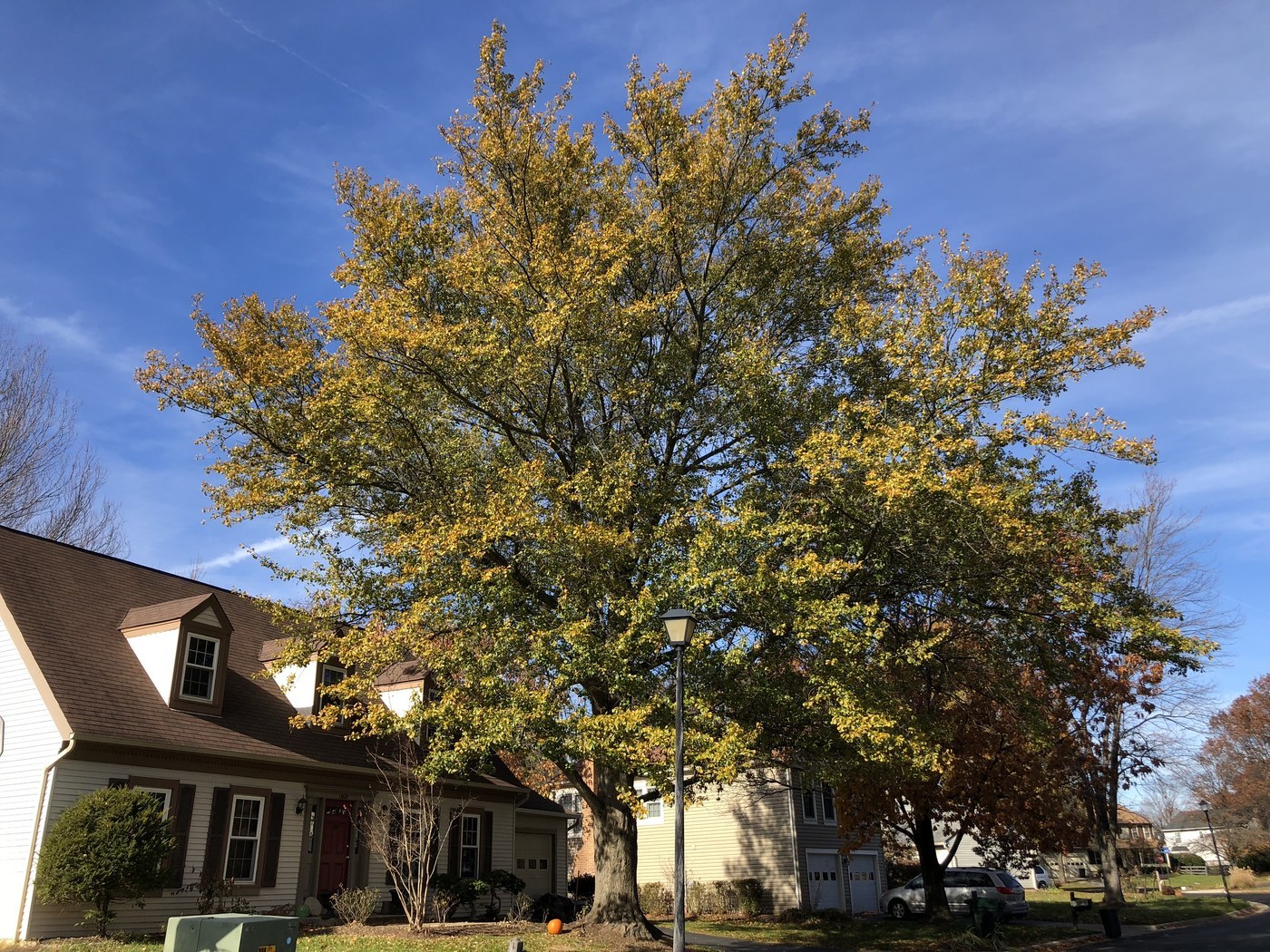
While striking and historically prized for its lightweight timber, it self-seeds aggressively and is classed as an invasive species across much of the eastern United States and elsewhere, so planting is discouraged in many areas.
How to identify it
- Flowers: upright clusters of fragrant, lavender to violet, tubular foxglove-like blooms in mid spring before the leaves
- Leaves: very large (6-12 in or more), heart-shaped, soft and fuzzy (tomentose), opposite
- Fruit: woody, pointed egg-shaped seed capsules that persist in clusters and split to release thousands of tiny winged seeds
- Growth: exceptionally fast; young trees may grow over 10 ft per year
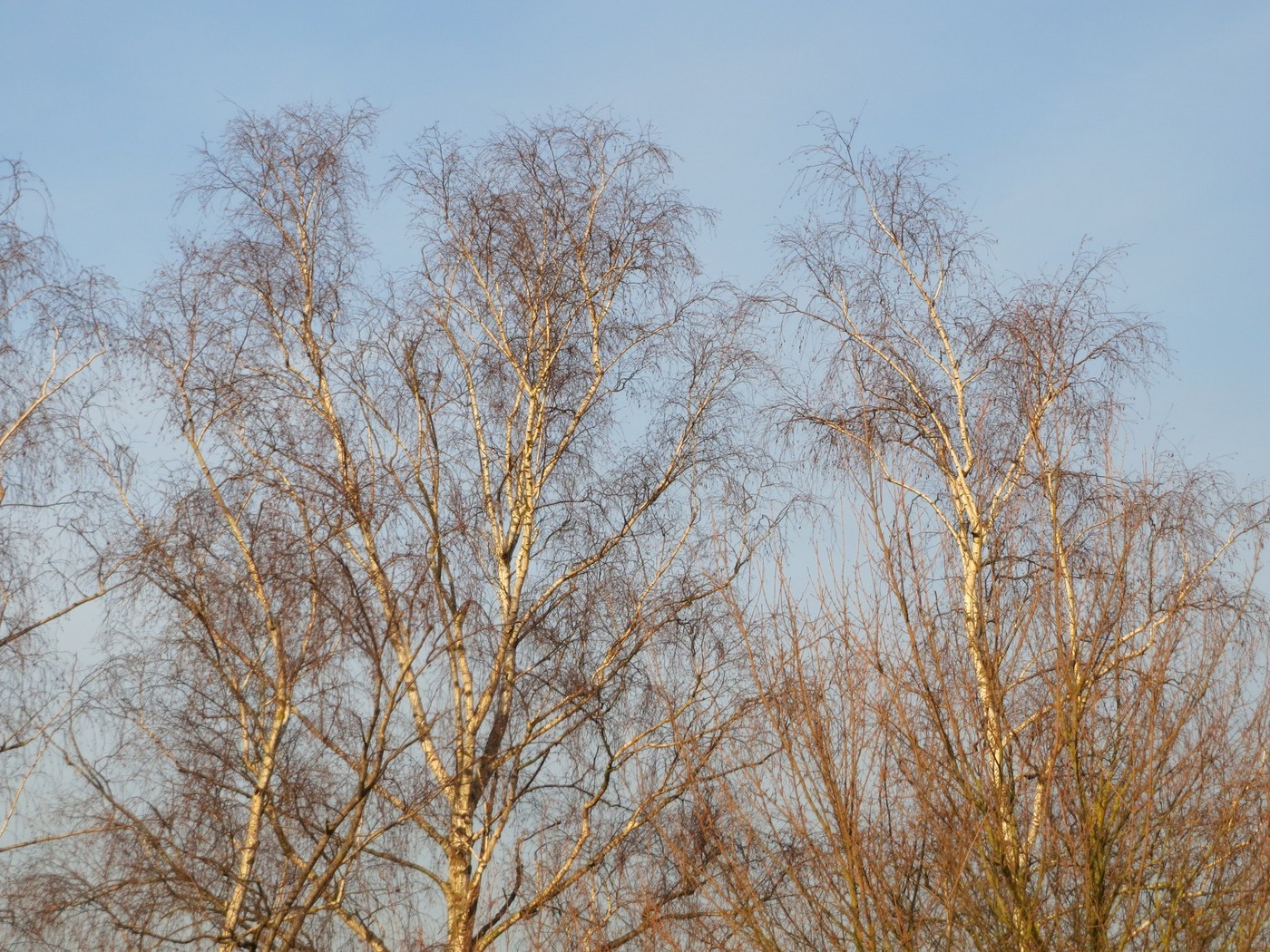
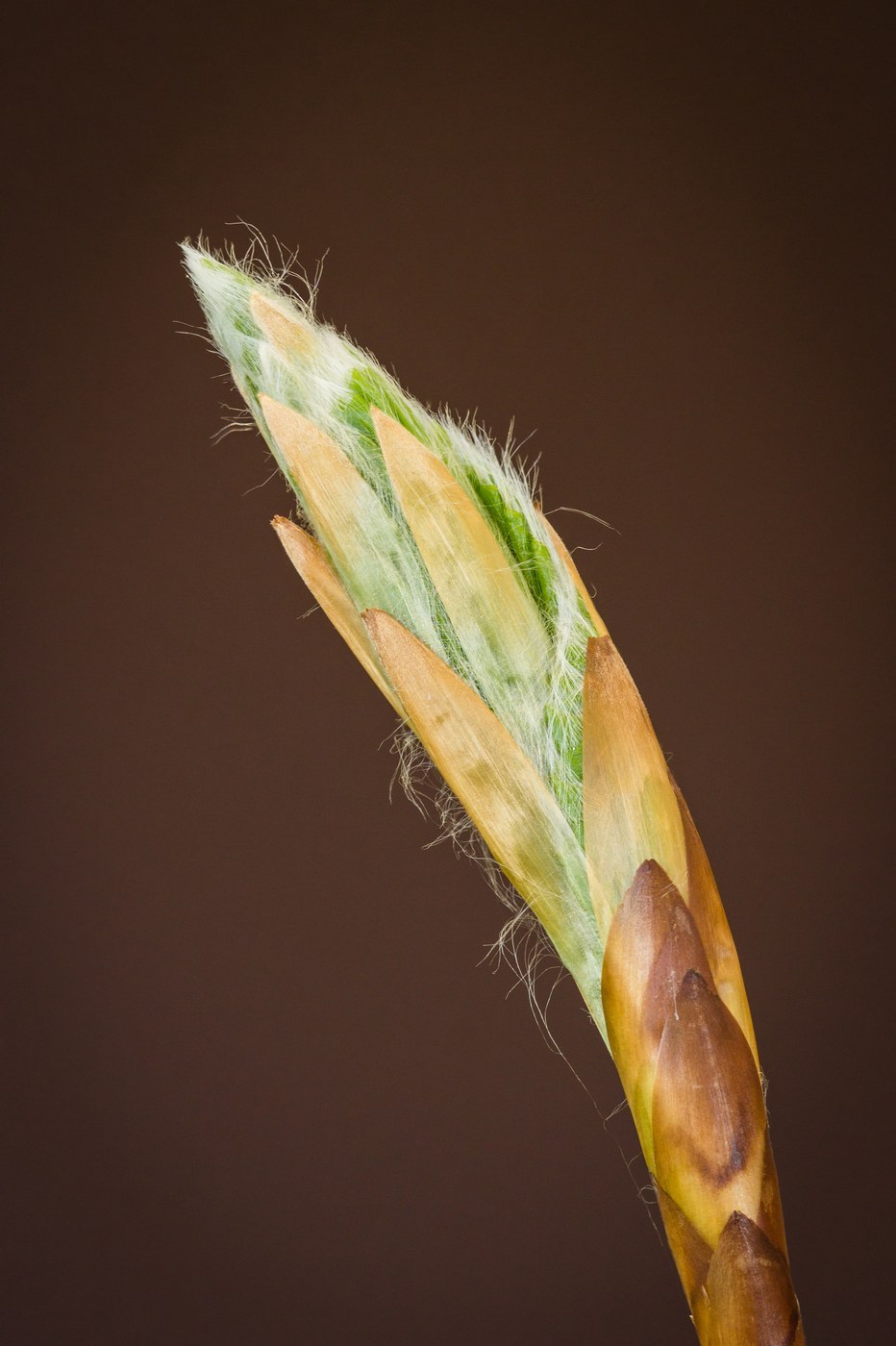
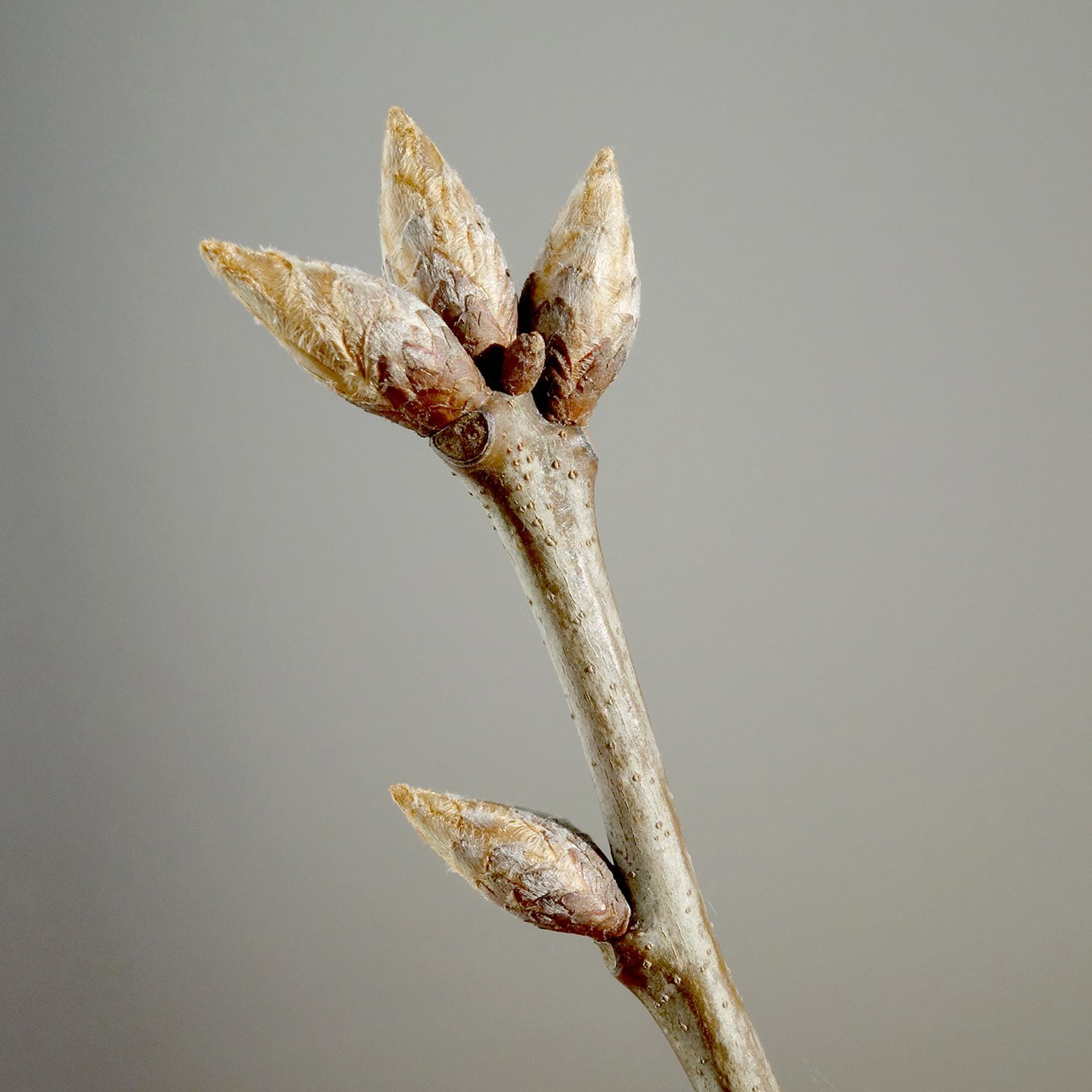
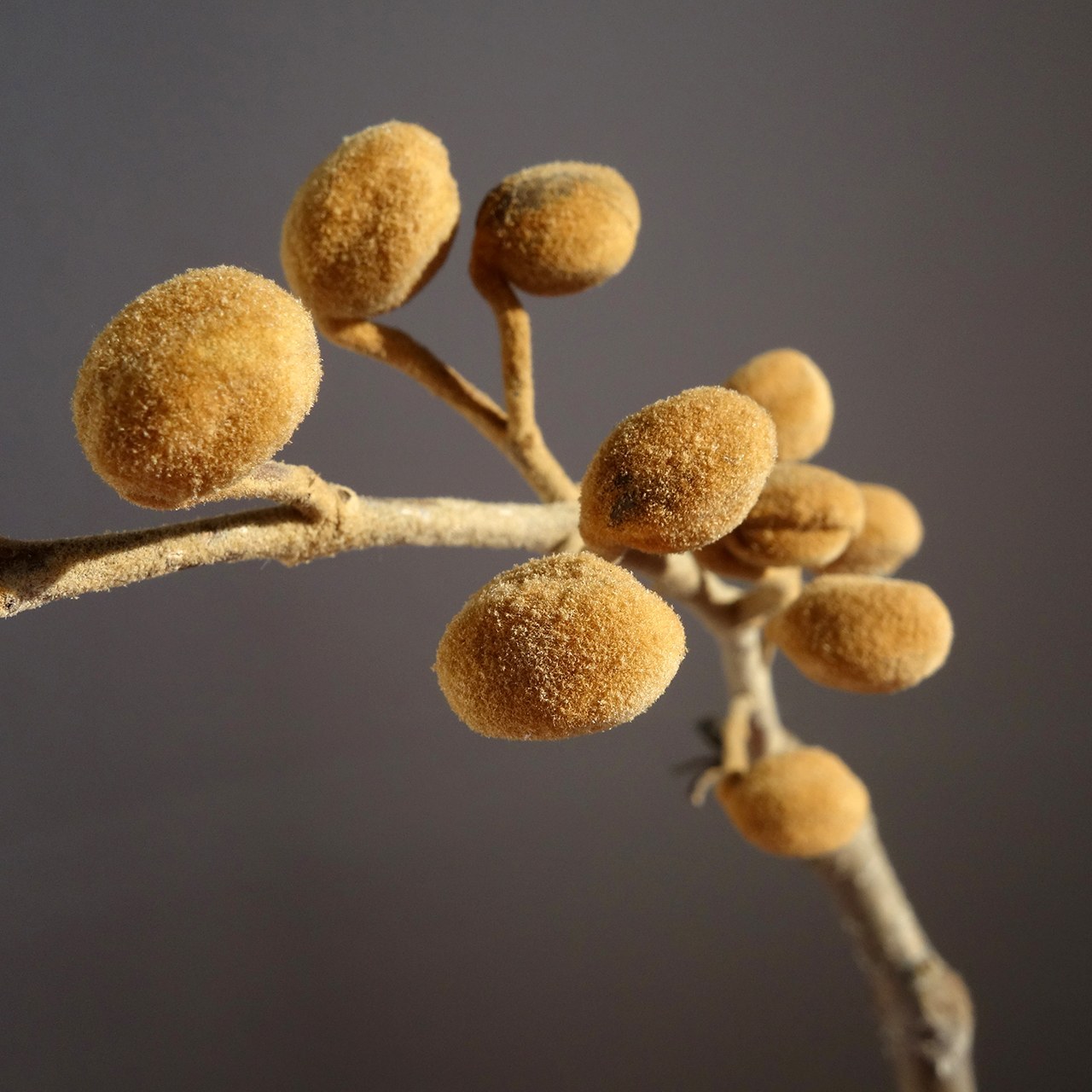
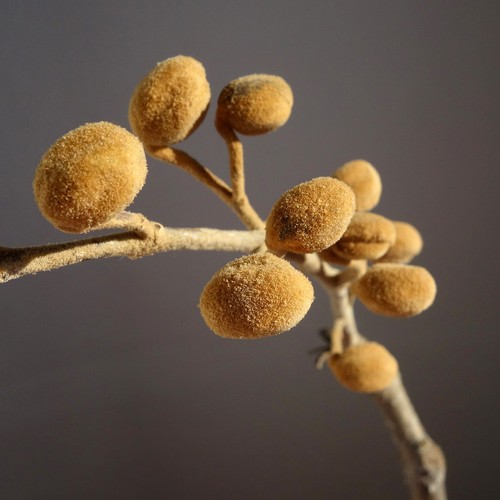
- Buds: fuzzy brown flower buds form in fall and overwinter at the branch tips
Care & growing
Light: full sun for best growth and flowering.
Water: water young trees during establishment; mature trees are quite drought-tolerant.
Soil: tolerates a wide range of soils, including poor and disturbed ground, which contributes to its weediness.
Feeding: rarely needed; it grows vigorously without help.
Pruning: can be coppiced (cut to the ground) to produce giant ornamental leaves on tall single shoots; flower buds are frost-sensitive.
Caution: because it seeds prolifically and spreads, remove seed capsules and check local invasive-plant regulations before planting.
Habitat & origin
Paulownia tomentosa is native to central and western China, where it has long been cultivated. It was introduced to Europe and North America in the 1800s.
It has naturalized and become invasive across the eastern and southern United States and parts of Europe, colonizing roadsides, riverbanks, forest edges and disturbed land where its wind-blown seeds spread readily.
Frequently asked questions
Is the empress tree invasive?
Yes, in much of the eastern US and parts of Europe it spreads aggressively by seed and is listed as invasive. Check local regulations before planting.
How fast does it really grow?
Young empress trees are among the fastest-growing trees known, often gaining 10-15 ft in a single season under good conditions.
Why didn't my empress tree flower?
The flower buds form in fall and can be killed by hard winter freezes or late frosts, so trees in cold climates often grow without blooming.
Can I get giant leaves from it?
Yes, cutting the tree back hard (coppicing) each spring forces a single tall shoot with leaves often over 2 ft across, used for bold foliage effect.
Empress Tree guides
In-depth guides for identifying, growing, and caring for Empress Tree.
How to Care for Empress Tree
Grow the fast-growing Empress Tree (Paulownia tomentosa) in full sun with well-drained soil and room for its large leaves and spring blooms.
Empress Tree Identification Guide
Identify the empress (princess) tree, Paulownia tomentosa, by its huge fuzzy heart-shaped leaves, fragrant purple foxglove-like flowers, and woody seed capsules.
Empress Tree identified by the community
Real specimens identified with Plant Identifier.