
How to Care for Engelmann Spruce
A stately high-elevation conifer with blue-green needles, Engelmann spruce needs full sun and cool, moist soil in cold northern climates.
Read the full Engelmann Spruce encyclopedia entry →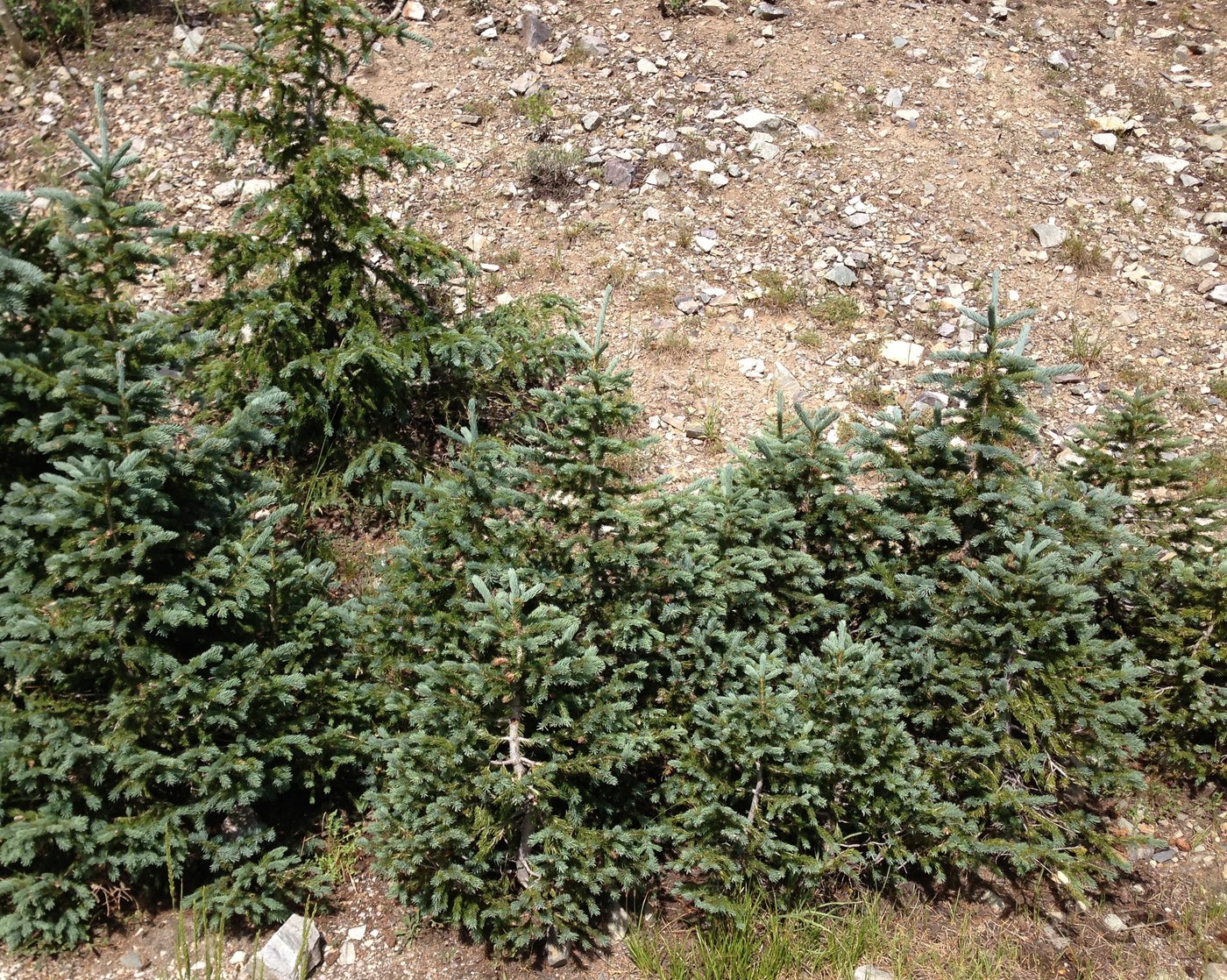
Engelmann spruce (Picea engelmannii) is a tall, narrowly conical evergreen native to the high mountains of western North America, admired for its soft blue-green to silvery needles and elegant spire-like form. It is a moderate-difficulty landscape tree best suited to cool, northern climates that echo its montane home.
Light
Engelmann spruce grows best in full sun, which produces the densest, most symmetrical crown and strongest color. Young trees tolerate some light shade, reflecting the species' ability to establish under a forest canopy before reaching for the light. In the landscape, give it an open site with room to develop its full pyramidal shape and unobstructed sun.
Water
Provide moderate, consistent moisture; this species prefers cool, moist soil and does not tolerate prolonged drought or heat well. Water young trees regularly to keep the root zone evenly moist as they establish, and continue supplemental watering during dry spells. A thick organic mulch over the root area keeps the soil cool and conserves moisture, mimicking the moist mountain forest floor. Avoid both drought stress and standing water.
Soil & Potting
Engelmann spruce favors deep, cool, moist, well-drained soils and does best in slightly acidic conditions. It adapts to loam and sandy loam but struggles in hot, dry, or heavy compacted ground. Good drainage combined with steady moisture is ideal. Because it is a large forest tree, it is grown in the open landscape rather than long-term in containers; young nursery stock should be planted out while small.
Humidity & Temperature
This is a cold-climate conifer, hardy through roughly USDA zones 2 to 5 and adapted to short cool summers and long cold winters. It thrives where nights are cool and struggles in hot, humid, low-elevation regions. Provide the coolest, most open exposure available in warmer parts of its range. It handles snow, wind, and severe cold with ease.
Feeding
Established Engelmann spruce in reasonable soil needs little feeding. For young or slow-growing trees, apply a slow-release conifer or evergreen fertilizer in early spring, and maintain an organic mulch that gradually feeds the soil. Avoid heavy nitrogen late in the season, which can push tender growth vulnerable to frost. A soil test guides any correction of acidity or nutrients.
Propagation
Engelmann spruce is propagated mainly from seed, which benefits from a period of cold, moist stratification to break dormancy before sowing in spring. Seedlings grow slowly at first. Named cultivars and selected forms are usually propagated by grafting, since spruces are difficult to root from cuttings. Give young seedlings light shade and steady moisture during their first seasons.
Repotting / Pruning
As a large specimen tree, Engelmann spruce needs little pruning; its naturally symmetrical form is its main appeal. Remove only dead, damaged, or crossing branches, ideally in late winter or early spring while dormant. Avoid cutting into old leafless wood, which does not resprout. Container-grown young trees should be repotted or planted out before they become root-bound.
Common Problems & Pests
Spruce can be affected by spruce budworm, spider mites in hot dry conditions, aphids, and bark beetles, particularly on drought-stressed trees. Fungal needle casts and cankers may appear in poorly ventilated or overly wet sites. Keeping the tree vigorous with cool soil, adequate moisture, and good air circulation is the best defense. Heat and drought stress are the most common causes of decline in cultivation.
Seasonal Care Tips
Plant in early spring or fall when temperatures are cool. Through the growing season, keep the soil evenly moist and mulched, especially during heat and dry spells. In fall, ensure the tree goes into winter well-watered. Winter cold is welcomed; the evergreen needles hold through the season. Prune only lightly in late winter, and monitor for pests as growth resumes in spring.
Frequently asked questions
Where does Engelmann spruce grow best?
It thrives in cool northern climates (roughly USDA zones 2 to 5) with full sun and deep, cool, moist, well-drained soil. It struggles in hot, humid, or drought-prone low-elevation regions.
How much water does Engelmann spruce need?
It prefers steady, moderate moisture and cool soil. Water young trees regularly to keep the root zone evenly moist, mulch heavily to conserve moisture, and provide extra water during dry spells.
Does Engelmann spruce need pruning?
Very little. Its naturally symmetrical spire shape is the main attraction, so just remove dead or damaged branches in late winter. Avoid cutting into old bare wood, which will not resprout.
Why is my spruce struggling in a warm climate?
Engelmann spruce is a high-elevation, cold-climate tree that dislikes heat and humidity. In warm regions it becomes stressed and prone to mites and other pests; give it the coolest, moistest, most open site possible.