Engelmann Spruce
Picea engelmannii
Engelmann Spruce is a tall, narrow conifer of high western mountains, often forming dense subalpine forests near treeline. Its soft, resonant wood is prized for musical instrument soundboards.
- Light
- Full sun
- Water
- Moderate; prefers cool, moist soil
- Difficulty
- Moderate
Got a plant like this?
Identify any plant from a photo, free.
Overview
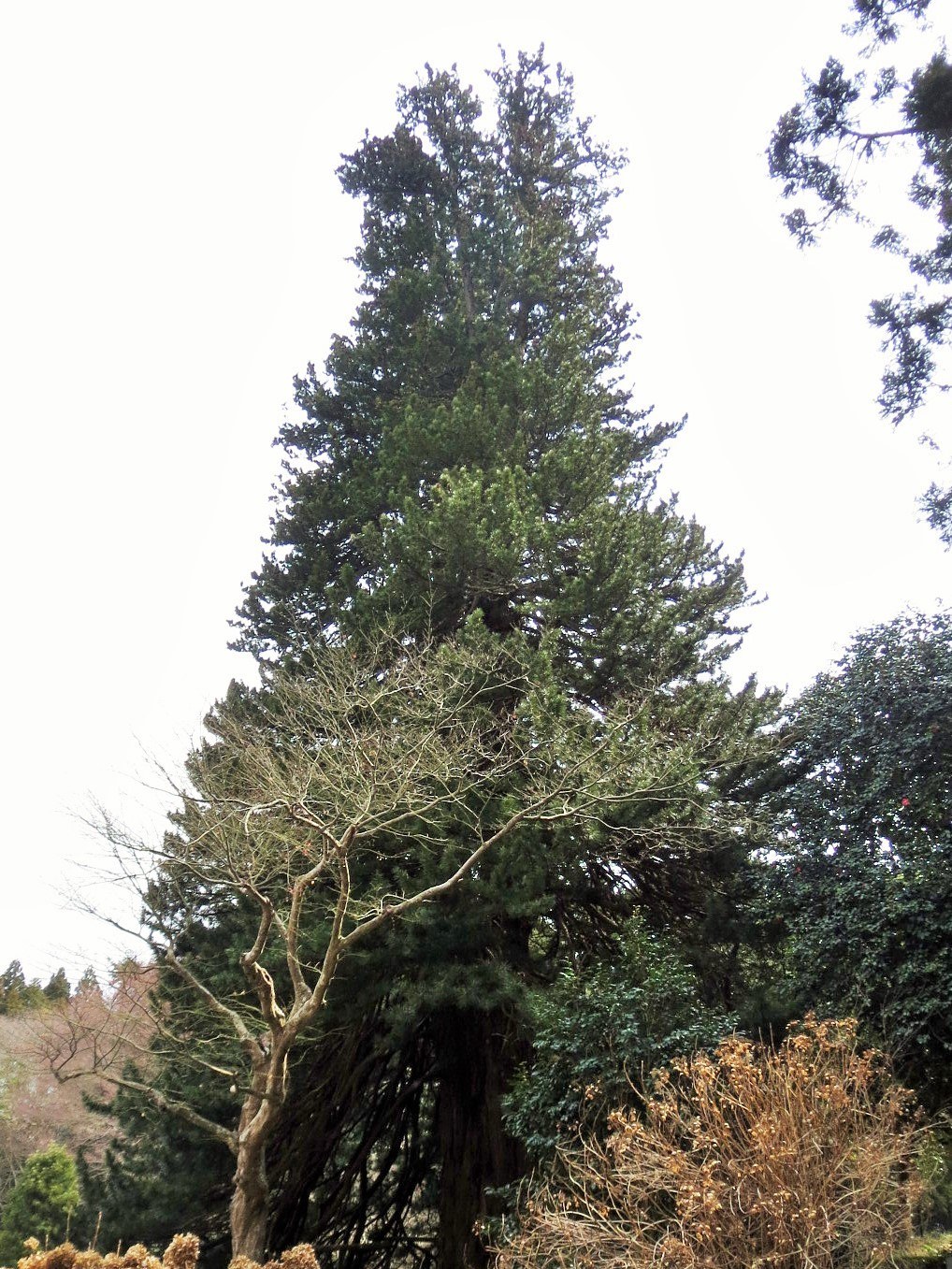
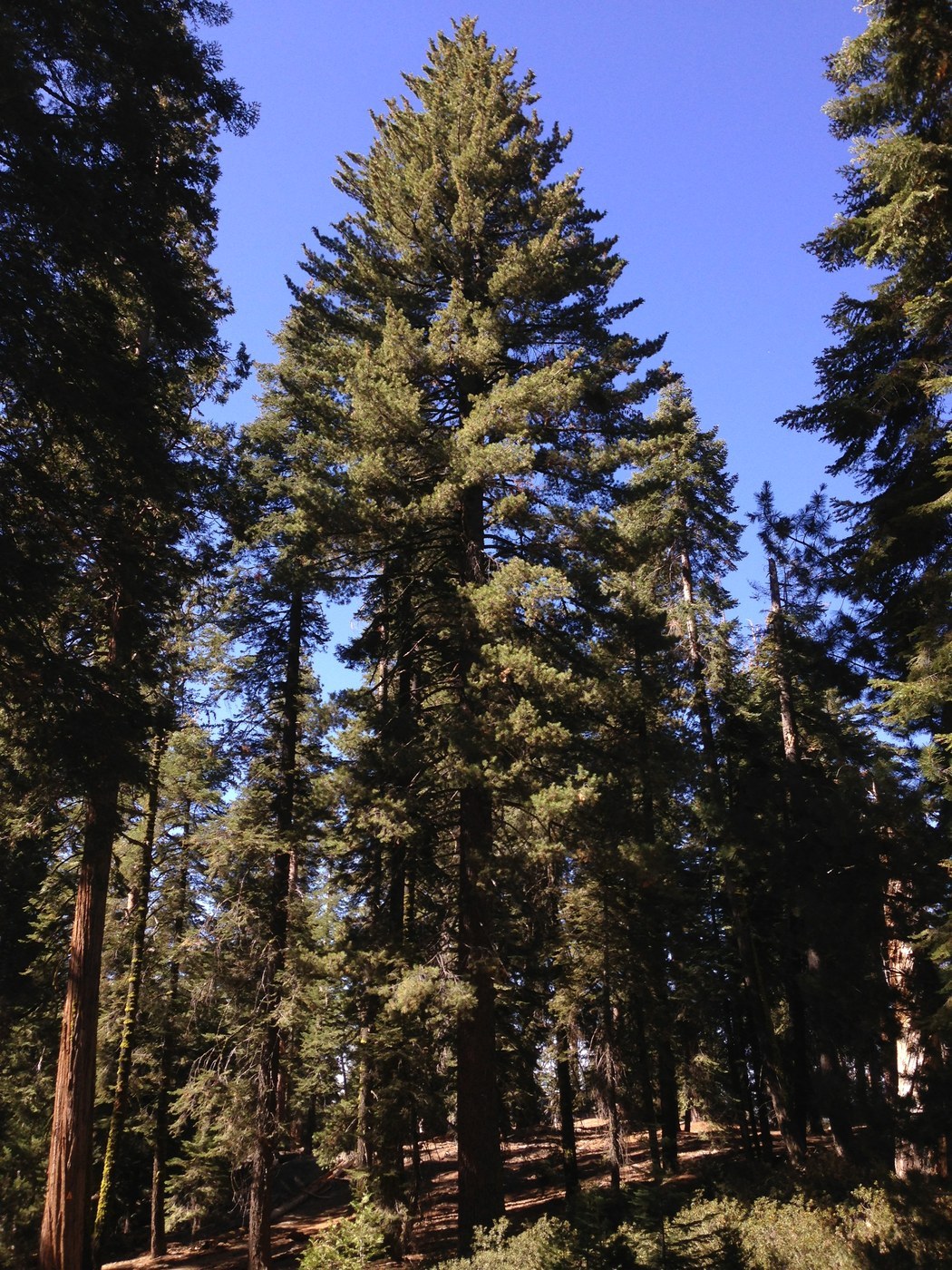
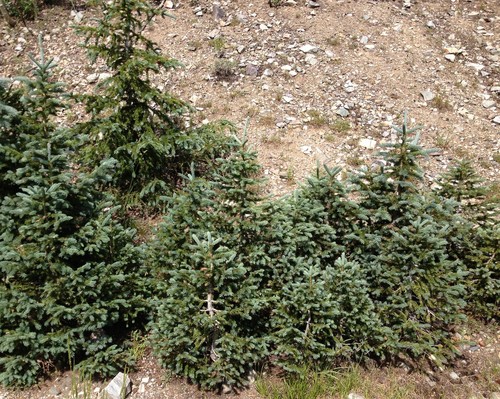
Engelmann Spruce (Picea engelmannii) is a high-elevation conifer of the western mountains of North America, typically growing 80 to 130 feet tall with a slender, spire-like crown adapted to shed heavy mountain snow.
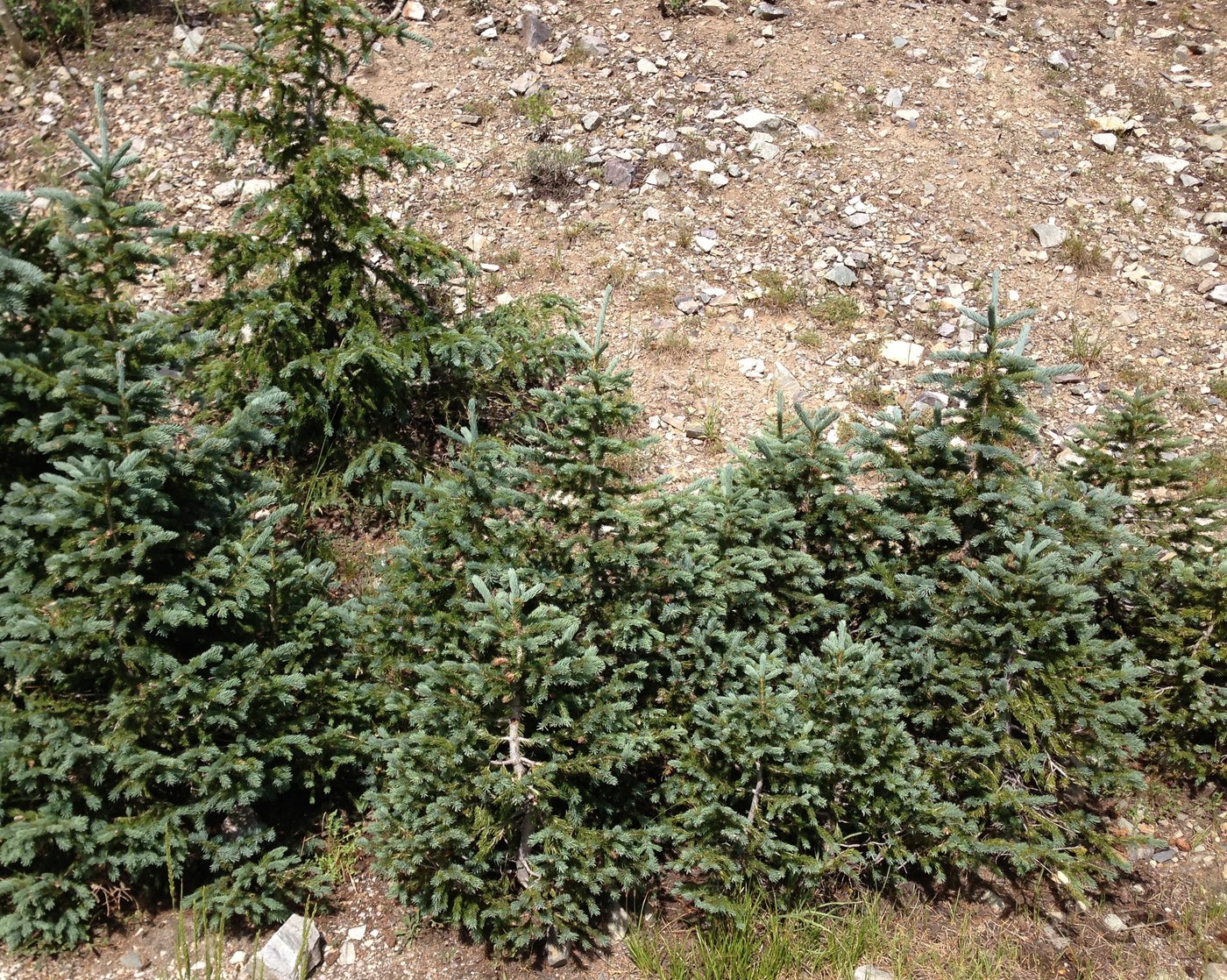
It dominates cold, moist subalpine forests, often growing with subalpine fir and persisting in stunted, krummholz form near treeline.
Its straight-grained, lightweight wood is highly valued, and like other spruces it is sought as tonewood for the soundboards of guitars, violins, and pianos.
How to identify it
- Needles: Soft, flexible, four-sided needles about 1/2 to 1 inch long, blue-green to silvery, with a pungent odor when crushed; not as sharp as some spruces
- Cones: Light brown, cylindrical cones 1 to 2.5 inches long with thin, papery, irregularly toothed scales
- Bark: Thin, scaly, reddish to purplish-brown, flaking in loose plates
- Habit: Tall, very narrow, spire-like crown; stunted krummholz form near treeline
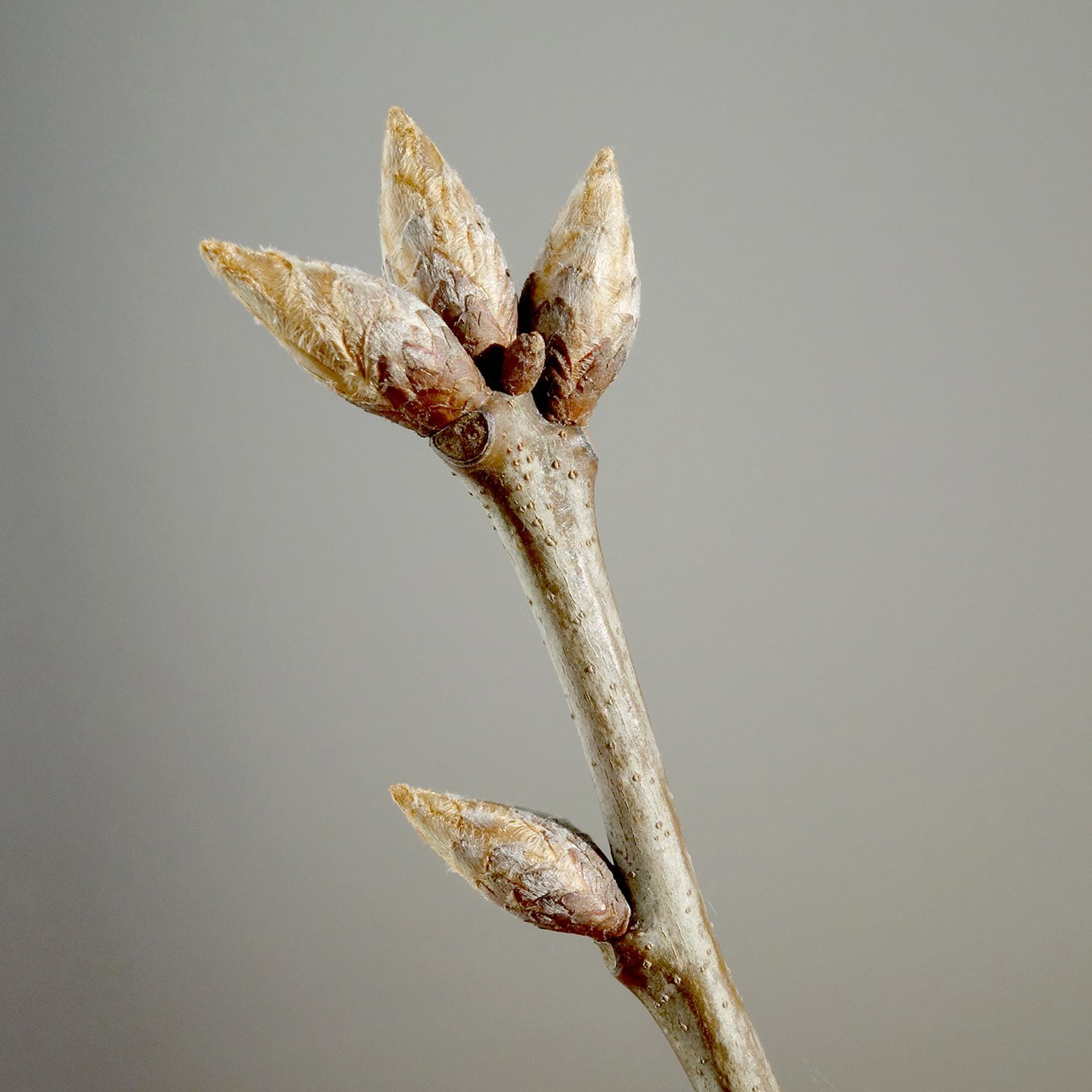
- Twigs: Finely hairy (a clue separating it from the hairless white spruce)
Care & growing
Best in cool, moist, high-elevation or northern conditions; intolerant of heat.
- Light: Full sun
- Water: Prefers cool, consistently moist, well-drained soils
- Soil: Deep, moist, acidic mountain loams; tolerant of cold wet sites
- Temperature: Very cold hardy, roughly USDA zones 3 to 5; dislikes hot, dry lowlands
- Feeding: Rarely needed
- Propagation: From seed after cold stratification
It is slow-growing and long-lived but struggles in hot, dry, or polluted urban settings far from its cool mountain home.
Habitat & origin
Engelmann Spruce grows in the high mountains of western North America, from British Columbia and Alberta south through the Rocky Mountains and Cascades into the southwestern United States and Mexico, mostly at subalpine elevations.
It forms extensive high-country forests and is harvested for timber; it is occasionally planted ornamentally in suitably cool climates.
Frequently asked questions
How do I tell Engelmann from White Spruce?
Engelmann Spruce has finely hairy twigs and softer, more flexible blue-green needles and grows at high western elevations, whereas White Spruce has hairless twigs and a more northern, lowland range; the two hybridize where they meet.
Where does Engelmann Spruce grow?
It grows in cool, moist subalpine forests of the western mountains, from Canada through the Rockies and Cascades into the Southwest, often near treeline.
Why is its wood used in instruments?
Its light weight, even straight grain, and excellent acoustic resonance make it a favored tonewood for the soundboards of guitars, violins, and pianos.
Can Engelmann Spruce grow in warm climates?
Not well. It is adapted to cold, moist mountain conditions and performs poorly in hot, dry, or low-elevation environments.
Engelmann Spruce guides
In-depth guides for identifying, growing, and caring for Engelmann Spruce.
How to Care for Engelmann Spruce
A stately high-elevation conifer with blue-green needles, Engelmann spruce needs full sun and cool, moist soil in cold northern climates.
Engelmann Spruce Identification Guide
Identify Engelmann Spruce (Picea engelmannii) by its four-sided blue-green needles on finely hairy twigs and pendant cones with ragged wavy-edged scales.