
How to Care for English Daisy
Grow charming English Daisy (Bellis perennis): low rosettes topped with button flowers for cool-season borders, edging, and containers.
Read the full English Daisy encyclopedia entry →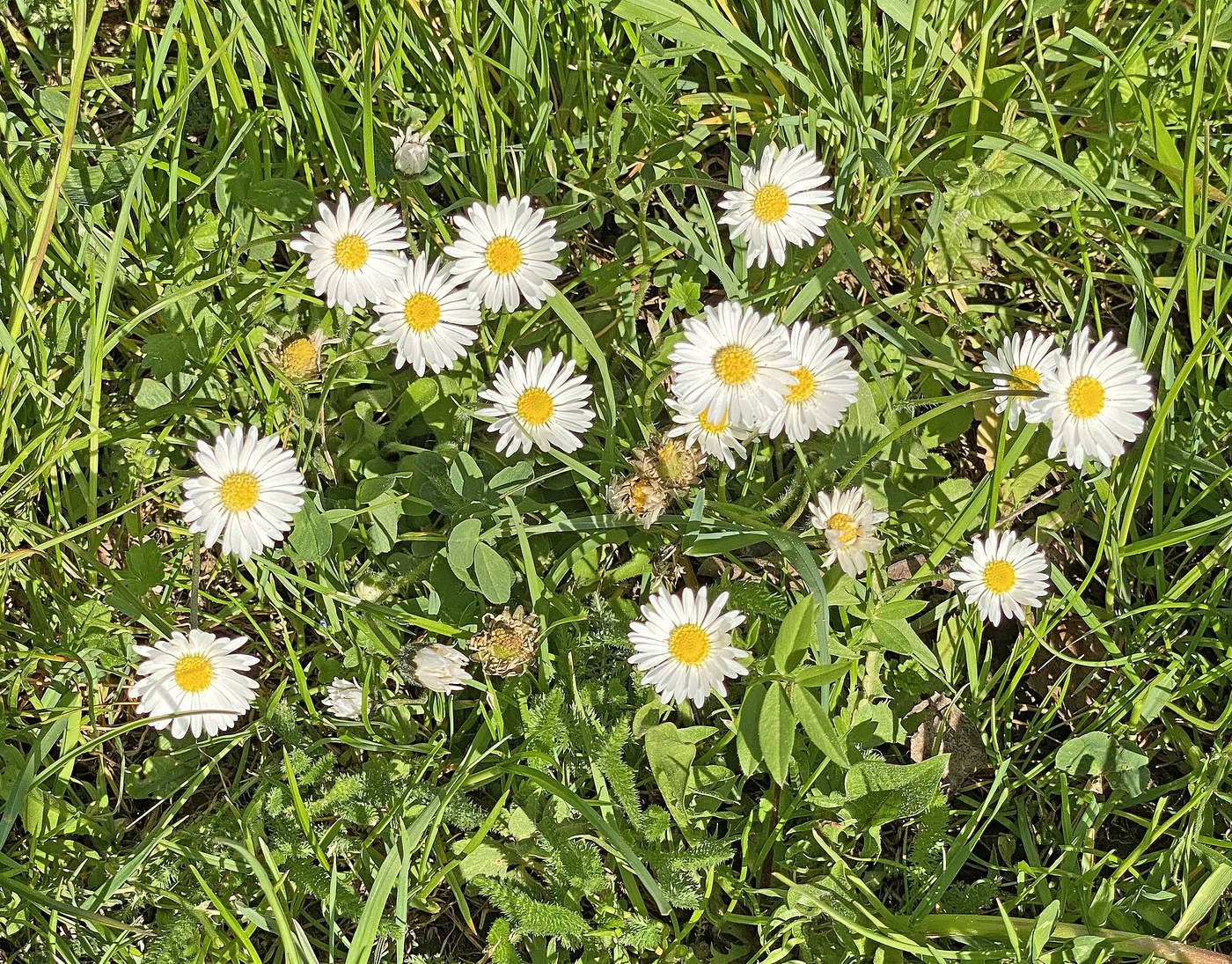
English Daisy (Bellis perennis) is a low, tidy perennial (often grown as a biennial or cool-season annual) forming flat rosettes topped with cheerful white, pink, or red button blooms. It is an easy, old-fashioned edging and container plant that performs best in the cool weather of spring and fall.
Light
Grow English Daisy in full sun in cool climates for the most abundant flowering and compact rosettes. Where summers turn hot, give it part shade, especially in the afternoon, to prolong bloom and prevent the plants from stalling. Too much shade reduces flowering and leaves rosettes loose.
Water
Keep the soil evenly moist. English Daisy has shallow roots and dislikes drying out, which quickly leads to wilting and premature decline. Water regularly and consistently, aiming for steady moisture without waterlogging. Mulching lightly helps hold moisture around the shallow crowns during warm spells.
Soil & Potting
It thrives in fertile, humus-rich, moisture-retentive but well-drained soil. Work compost into the bed before planting to boost fertility and water-holding capacity. In containers, use a quality potting mix and keep it from drying between waterings; the small root system makes pots and window boxes an easy home for these plants.
Humidity & Temperature
English Daisy is a cool-season plant that flourishes in mild, moist conditions and struggles in prolonged heat. It is cold hardy and often overwinters as a green rosette, then bursts into bloom as temperatures rise in spring. High summer heat causes it to fade or die back; in mild-winter areas it is often planted in fall for winter and spring color.
Feeding
Feed lightly but regularly during active growth to support continuous flowering. A balanced liquid fertilizer every few weeks, or a slow-release granular worked in at planting, keeps the rosettes vigorous and the blooms coming. Avoid heavy nitrogen, which favors leaves over flowers.
Propagation
Propagate by seed or division. Sow seed in late spring to summer for flowering the following spring, pressing it onto the surface as it needs light to germinate. Established clumps can also be lifted and divided in spring or fall, separating the rosettes and replanting them at the same depth.
Repotting / Pruning
Deadhead spent flowers regularly to encourage a longer, heavier bloom and to prevent excessive self-seeding if you want to keep plantings tidy. Remove any tired outer leaves. Divide crowded clumps every year or two to rejuvenate them. Refresh container plants each season since they are often treated as short-lived.
Common Problems & Pests
Aphids may gather on new growth and buds; rinse them off or treat as needed. Slugs and snails can nibble the low foliage in damp conditions. Powdery mildew and crown rot appear where air is stagnant or soil stays waterlogged, so provide spacing and good drainage. Heat is the biggest stressor and causes plants to decline in summer.
Seasonal Care Tips
Set out plants or sow in the cool of spring or fall for best results. Through the bloom season, deadhead often and keep moisture steady. As summer heat arrives, expect flowering to slow; provide afternoon shade and consistent water to carry plants through, or replant in fall. In cold regions the rosettes overwinter reliably and rebloom the following spring.
Frequently asked questions
Why did my English Daisy stop blooming in summer?
It is a cool-season plant that naturally slows or stops flowering in heat. Provide afternoon shade and steady moisture to extend the display, or treat it as a spring and fall performer and replant when cool weather returns.
Is English Daisy an annual or perennial?
Botanically it is a short-lived perennial, but gardeners often grow it as a biennial or cool-season annual because it declines in summer heat. In mild climates it can persist and rebloom for several years.
How do I get more flowers?
Deadhead spent blooms regularly, keep the soil evenly moist, feed lightly during growth, and give full sun in cool weather. These four steps keep the button flowers coming steadily.
Can I grow English Daisy in pots?
Yes. Its shallow, compact roots suit containers and window boxes well. Use a rich, well-drained mix, water consistently so it never dries out, and feed lightly through the bloom season.