How to Care for English Ivy
Keep English Ivy lush with bright indirect light, steady moisture, and cool, humid air for trailing or climbing displays.
Read the full English Ivy encyclopedia entry →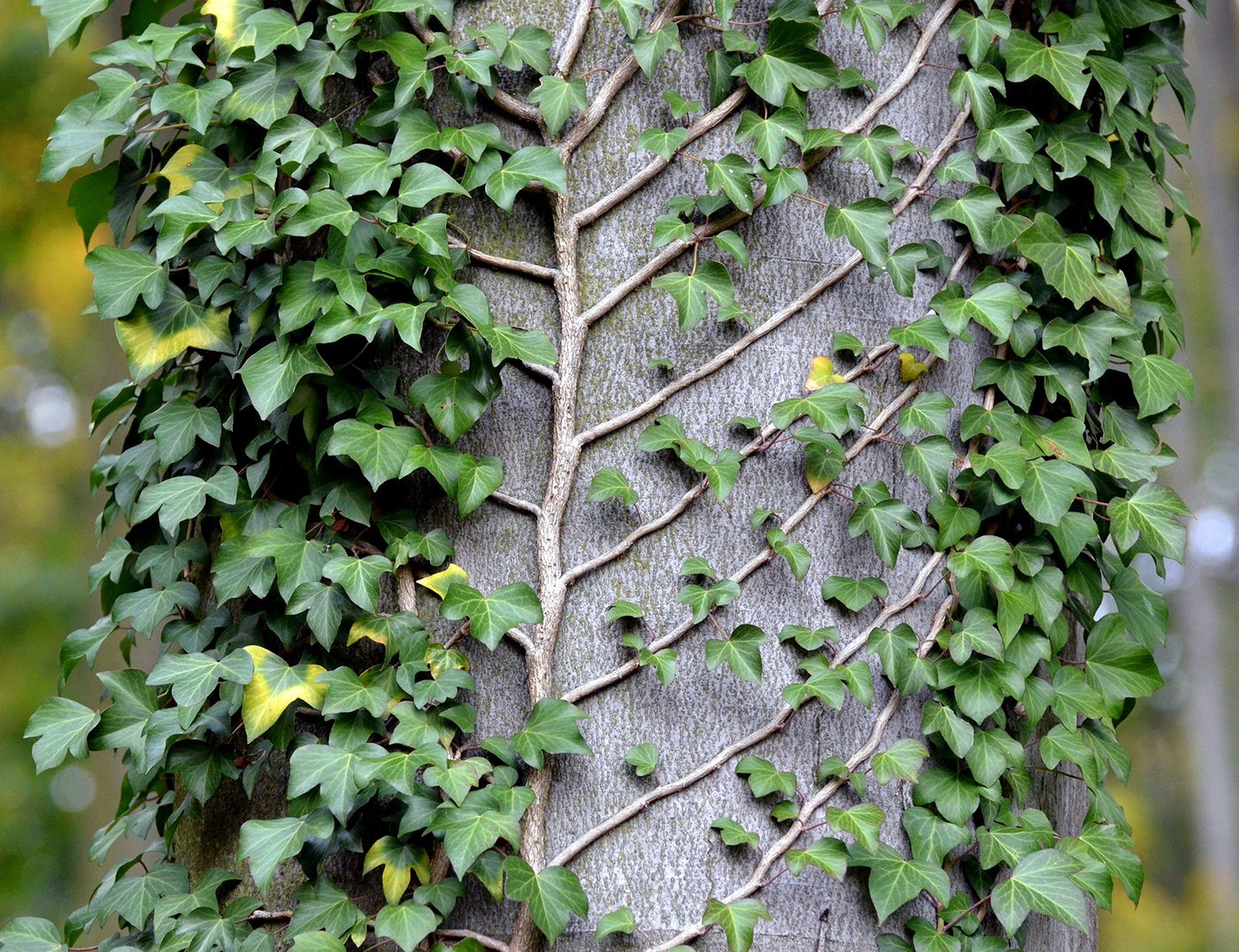
English Ivy (Hedera helix) is a vigorous evergreen vine grown indoors as a trailing or climbing houseplant and outdoors as ground cover. It is a moderate-care plant that stays fullest with bright indirect light, cool temperatures, and even moisture.
Light
Provide bright indirect light for the best color and dense growth, especially on variegated cultivars whose creamy markings fade in low light. Ivy tolerates moderate light but grows leggy and sparse in deep shade. Protect it from harsh direct midday sun, which can scorch the leaves.
Water
Water when the top inch of soil is dry, then moisten thoroughly and let excess drain. Ivy dislikes both soggy roots and prolonged drought, so aim for consistently, lightly moist soil. Reduce frequency in winter when growth slows. Yellowing lower leaves often signal overwatering.
Soil & Potting
Use a well-draining, general-purpose potting mix with some added perlite for aeration. Always plant in a container with drainage holes. Ivy is not fussy about soil richness as long as water moves through freely and roots are not left standing wet.
Humidity & Temperature
English Ivy loves cool, humid conditions and dislikes hot, dry indoor air. Keep it in a room between roughly 50-70F and raise humidity with a pebble tray, grouping, or occasional misting. Dry, warm air is the leading cause of crispy leaf edges and spider mite outbreaks.
Feeding
Feed with a balanced liquid fertilizer at half strength every four to six weeks during spring and summer. Skip feeding in autumn and winter when growth pauses. Ivy needs only modest nutrition, and over-feeding can cause weak, floppy stems.
Propagation
Ivy propagates very easily from stem cuttings. Snip a healthy 4-6 inch length below a node, remove the lowest leaves, and root it in water or directly in moist soil. Roots usually form within a couple of weeks, after which you can pot up several cuttings together for a full look.
Repotting / Pruning
Repot every one to two years in spring when roots fill the pot, moving up one size. Prune freely any time to control length, encourage bushiness, and remove leggy or bare stems. Regular trimming keeps the plant dense, and the trimmings become new cuttings.
Common Problems & Pests
Spider mites are the most common pest, thriving in warm dry air and showing as fine webbing and stippled leaves; boost humidity and rinse the foliage. Watch also for aphids, scale, and mealybugs. Browning leaf edges indicate dry air, while yellowing and mushy stems point to overwatering.
Seasonal Care Tips
In spring and summer, feed lightly, water regularly, and trim to shape. In the cooler months, cut back on water and stop feeding, and keep the plant away from hot radiators and heating vents. Move outdoor ivy to a sheltered spot before hard frost if grown in a pot.
Frequently asked questions
Why is my English Ivy losing its variegation?
Insufficient light causes variegated ivy to revert toward plain green. Move it to a brighter spot with strong indirect light to preserve the creamy or white markings.
How do I keep spider mites off my ivy?
Spider mites love warm, dry air. Raise humidity, keep the plant cool, rinse the foliage periodically, and inspect the undersides of leaves so you catch any infestation early.
Can English Ivy grow in water permanently?
Cuttings root and can live in water for a long time, but for a robust long-term plant transfer rooted cuttings into a well-draining potting mix once roots are a couple of inches long.
Why are the edges of my ivy leaves turning brown and crispy?
Crispy edges usually mean the air is too warm and dry. Increase humidity, move the plant away from heat sources, and keep the soil evenly moist.
English Ivy identified by the community
Recent English Ivy specimens identified with Plant Identifier.