English Ivy
Hedera helix
English ivy is a vigorous evergreen climbing vine with lobed leaves, grown both as a houseplant and as an outdoor groundcover. It is attractive and adaptable but invasive in many regions.
- Light
- Bright indirect light
- Water
- When top inch is dry
- Difficulty
- Moderate
Got a plant like this?
Identify any plant from a photo, free.
Overview
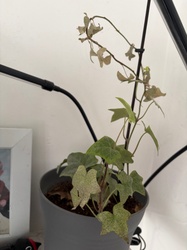
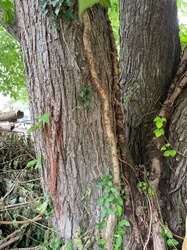
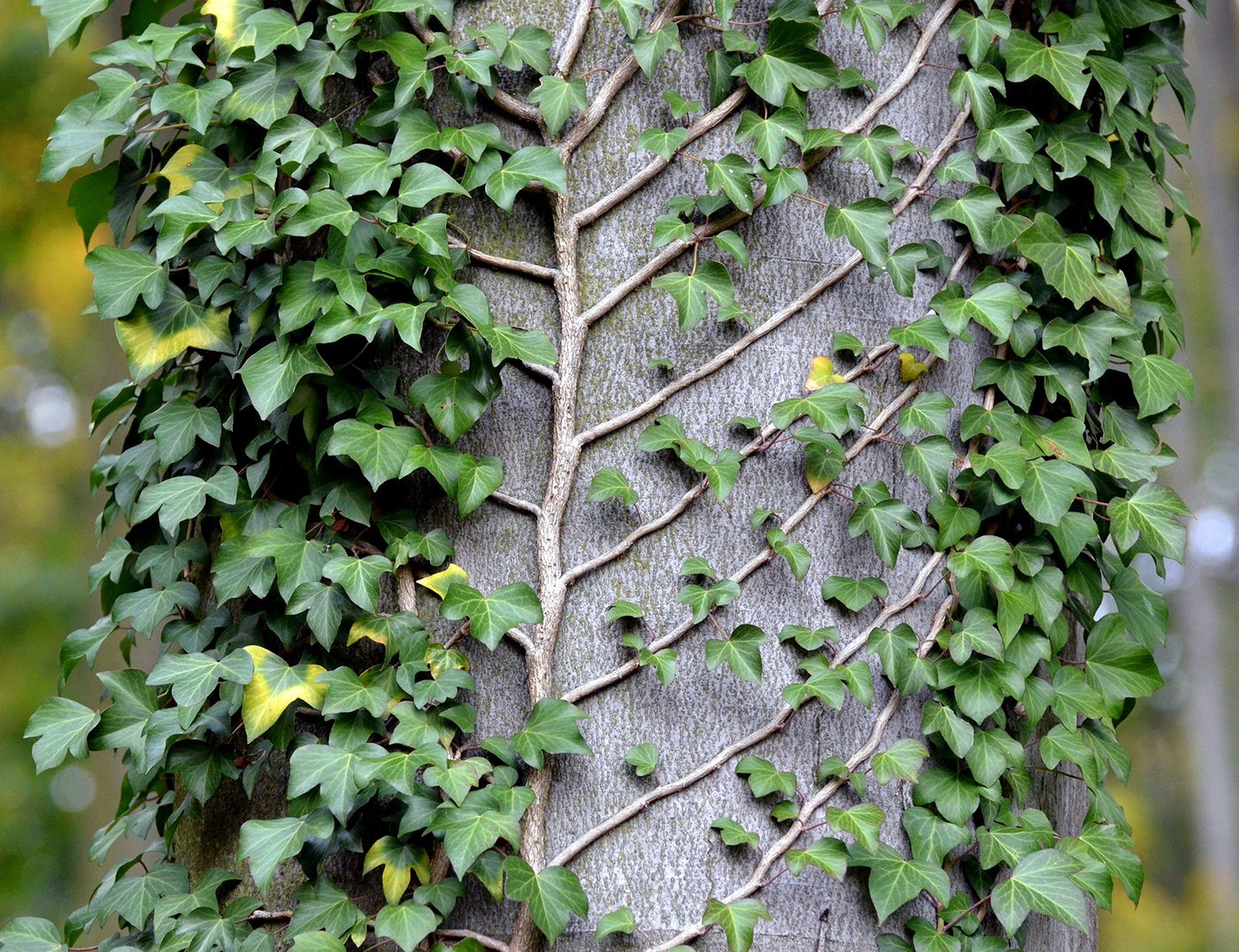
English ivy (Hedera helix) is an evergreen woody vine native to Europe and western Asia. It climbs by means of tiny aerial rootlets that cling to walls, trees, and fences, and it can also spread as a dense groundcover.
Indoors it is grown for its trailing, lobed foliage in countless cultivars with varied leaf shapes and variegation. Outdoors it is a familiar sight covering buildings and woodlands.
While ornamental, English ivy is aggressively invasive in many parts of North America and elsewhere, smothering native vegetation and damaging trees and structures, so outdoor planting should be done with caution.
How to identify it
- Leaves: Glossy, dark green, typically 3-5 lobed (juvenile form); adult climbing growth has unlobed, oval leaves
- Climbing: Clings via numerous fine aerial rootlets along the stems
- Flowers/fruit: Mature plants produce greenish-yellow flower clusters followed by black berries (juvenile houseplant forms rarely flower)
- Habit: Trailing or climbing evergreen vine
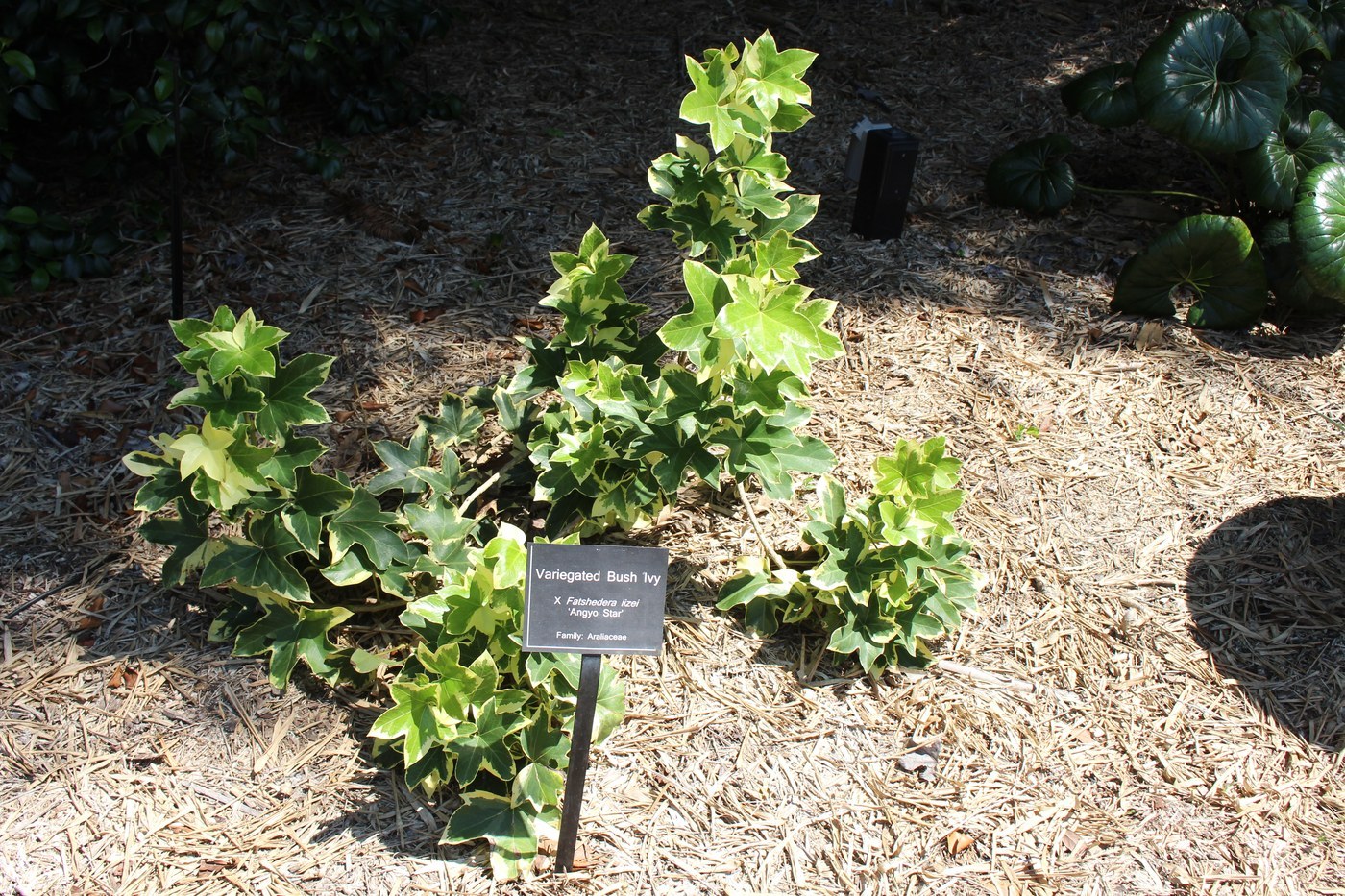
- Variation: Many cultivars with white, cream, or yellow variegation
Care & growing
Light: Bright, indirect light keeps variegation vivid; tolerates medium light but gets leggy in deep shade.
Water: Water when the top inch of soil dries; keep lightly moist but not soggy. Good airflow and occasional misting help prevent spider mites, a common pest.
Soil: Well-draining potting mix.
Temperature: Prefers cooler conditions, 50-70°F (10-21°C).
Feeding: Light feeding during the growing season.
Propagation: Very easy from stem cuttings rooted in water or soil.
Habitat & origin
Hedera helix is native to most of Europe and western Asia, where it grows in woodlands, on rocky ground, and climbing trees and cliffs.
It has been widely introduced elsewhere and is considered invasive in much of North America, Australia, and New Zealand. It is grown outdoors as a groundcover and climber in temperate climates (USDA zones 4-9) and worldwide as a houseplant.
Frequently asked questions
Is English ivy invasive?
Yes. In much of North America and other regions it is considered an invasive species that smothers native plants and damages trees, so plant it outdoors only with care or keep it contained indoors.
Why does my indoor ivy keep getting pests?
English ivy is prone to spider mites, especially in warm, dry air. Increase humidity, improve airflow, and rinse the foliage regularly.
How do I keep it from getting leggy?
Give it bright indirect light and pinch back the stems regularly to encourage fuller, bushier growth.
How does English ivy climb?
It clings with numerous tiny aerial rootlets along its stems, which attach to walls, bark, and fences as the vine grows.
English Ivy guides
In-depth guides for identifying, growing, and caring for English Ivy.
How to Care for English Ivy
Keep English Ivy lush with bright indirect light, steady moisture, and cool, humid air for trailing or climbing displays.
English Ivy Identification Guide
Identify English ivy (Hedera helix) by its lobed, evergreen leaves, woody climbing stems with clinging rootlets, and its distinct adult leaf form and flowers.
English Ivy identified by the community
Real specimens identified with Plant Identifier.