
How to Care for English Yew
Grow English yew (Taxus baccata), a slow, long-lived evergreen conifer, in sun to full shade with well-drained soil; ideal for hedging and topiary.
Read the full English Yew encyclopedia entry →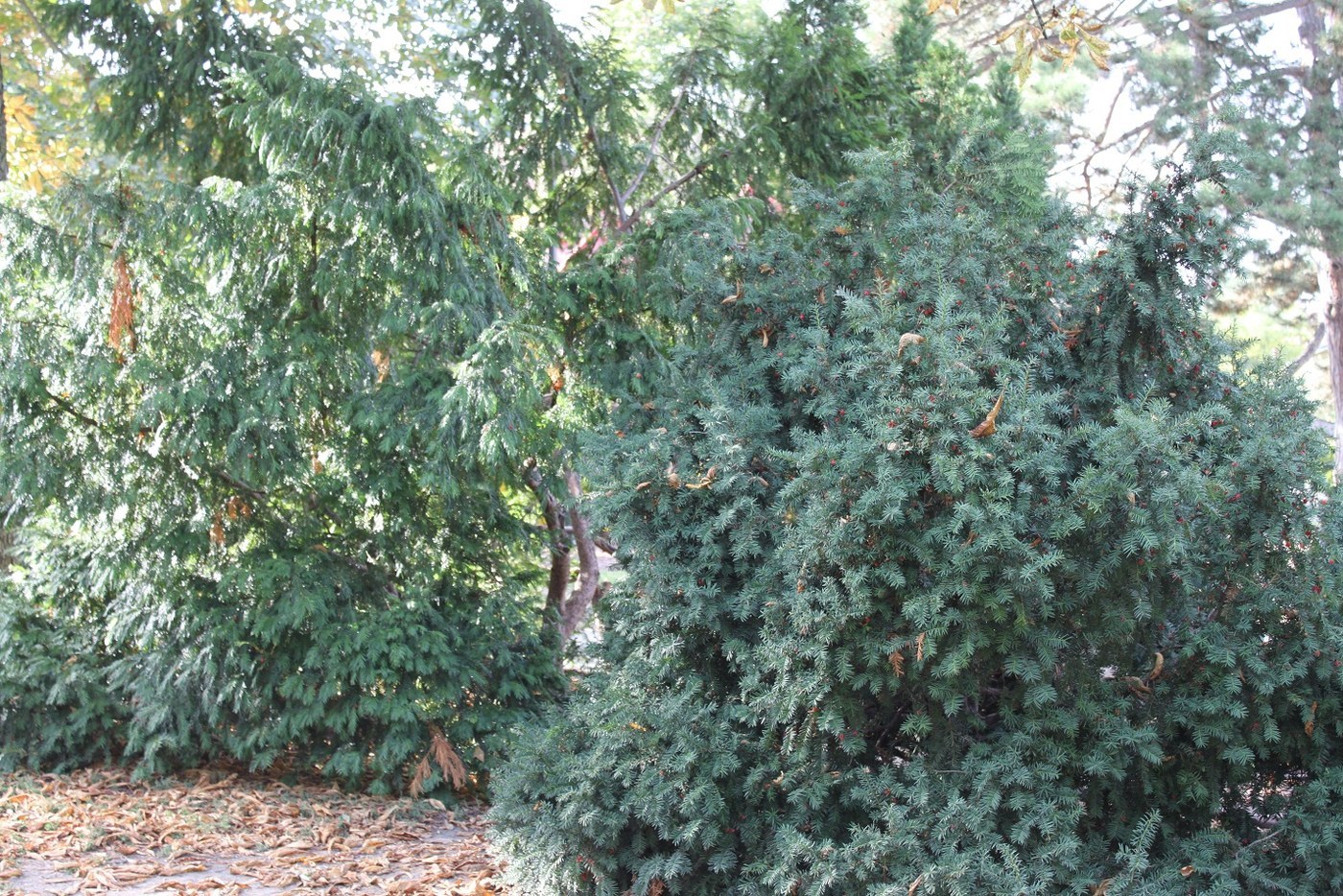
English yew (Taxus baccata) is a slow-growing, exceptionally long-lived evergreen conifer with dense, dark green needles, valued for hedging, topiary, and formal structure. Adaptable and forgiving, it tolerates a remarkable range of light and pruning that few other evergreens can match.
Light
Yew is unusually versatile, growing well in everything from full sun to full shade. This shade tolerance makes it invaluable for dark corners and north-facing sites. In full sun it stays dense and compact, while in shade it remains green and healthy, just a touch more open.
Water
Water moderately, keeping the soil evenly moist while the plant establishes. Once settled, yew is fairly drought-tolerant but performs best with consistent moisture in prolonged dry spells. The single most important factor is well-drained soil, as yew is highly intolerant of waterlogged roots.
Soil & Potting
Provide well-drained soil; this is critical, since wet, boggy ground is the quickest way to kill a yew. It tolerates a wide pH range, including chalky and alkaline soils, and adapts to most textures as long as drainage is good. Improve heavy clay with grit and organic matter, and mulch to conserve moisture without smothering the base.
Humidity & Temperature
As a hardy temperate conifer, yew withstands cold winters and does not require any humidity management. It tolerates wind and exposure once established and copes with urban and coastal conditions. Its main dislike remains standing water around the roots rather than any temperature extreme.
Feeding
Yew is a light feeder. An annual spring application of a balanced granular fertilizer or a topdressing of compost keeps hedges and topiary dense and richly colored. Overfeeding is unnecessary given its naturally slow growth; steady, modest nutrition produces the best foliage.
Propagation
Propagate from semi-ripe cuttings taken in late summer to autumn, which root reliably under sheltered conditions, or from seed, though seed is slow and erratic to germinate. Cuttings are the preferred method for producing uniform plants for hedging.
Repotting / Pruning
Yew is one of the few conifers that regenerates from old wood, so it tolerates hard pruning and even rejuvenation of overgrown plants. Trim hedges and topiary in summer, and shape as desired; the slow growth means it holds a crisp form for a long time. Container specimens can be repotted every few years in spring into fresh, well-drained mix.
Common Problems & Pests
Root rot from wet soil is by far the biggest killer, often showing as browning and dieback; ensure sharp drainage. Yew can also suffer from vine weevil grubs (especially in containers), scale insects, and needle browning from waterlogging or drought stress. Correcting drainage and moisture usually resolves most decline.
Seasonal Care Tips
In spring, feed lightly and mulch. Through summer, trim hedges and topiary to shape and water during dry spells, especially for young or container plants. In autumn, take cuttings and ease off feeding. In winter the plant is fully hardy and needs little attention beyond ensuring the roots are not sitting in water.
Frequently asked questions
Can English yew grow in full shade?
Yes, yew is one of the most shade-tolerant conifers and grows well from full sun to deep shade. In shade it stays green and healthy, making it ideal for dark, north-facing spots.
Can I hard-prune an overgrown yew?
Yes. Unlike most conifers, yew reshoots readily from old wood, so it tolerates hard pruning and full rejuvenation. Cut back overgrown plants in stages and they will regenerate dense new growth.
Why is my yew turning brown and dying back?
The most common cause is waterlogged soil leading to root rot, since yew hates wet feet. Improve drainage immediately. Drought stress or vine weevil grubs in containers can also cause browning.
How fast does English yew grow?
Yew is slow-growing and very long-lived, typically adding only modest height each year. This slow pace is why it holds crisp hedge and topiary shapes so well between trims.