English Yew
Taxus baccata
English Yew is a long-lived evergreen conifer with dark needles and red berry-like arils, traditionally used for hedges and topiary.
- Light
- Full sun to full shade
- Water
- Moderate; well-drained soil
- Difficulty
- Easy
Got a plant like this?
Identify any plant from a photo, free.
Overview
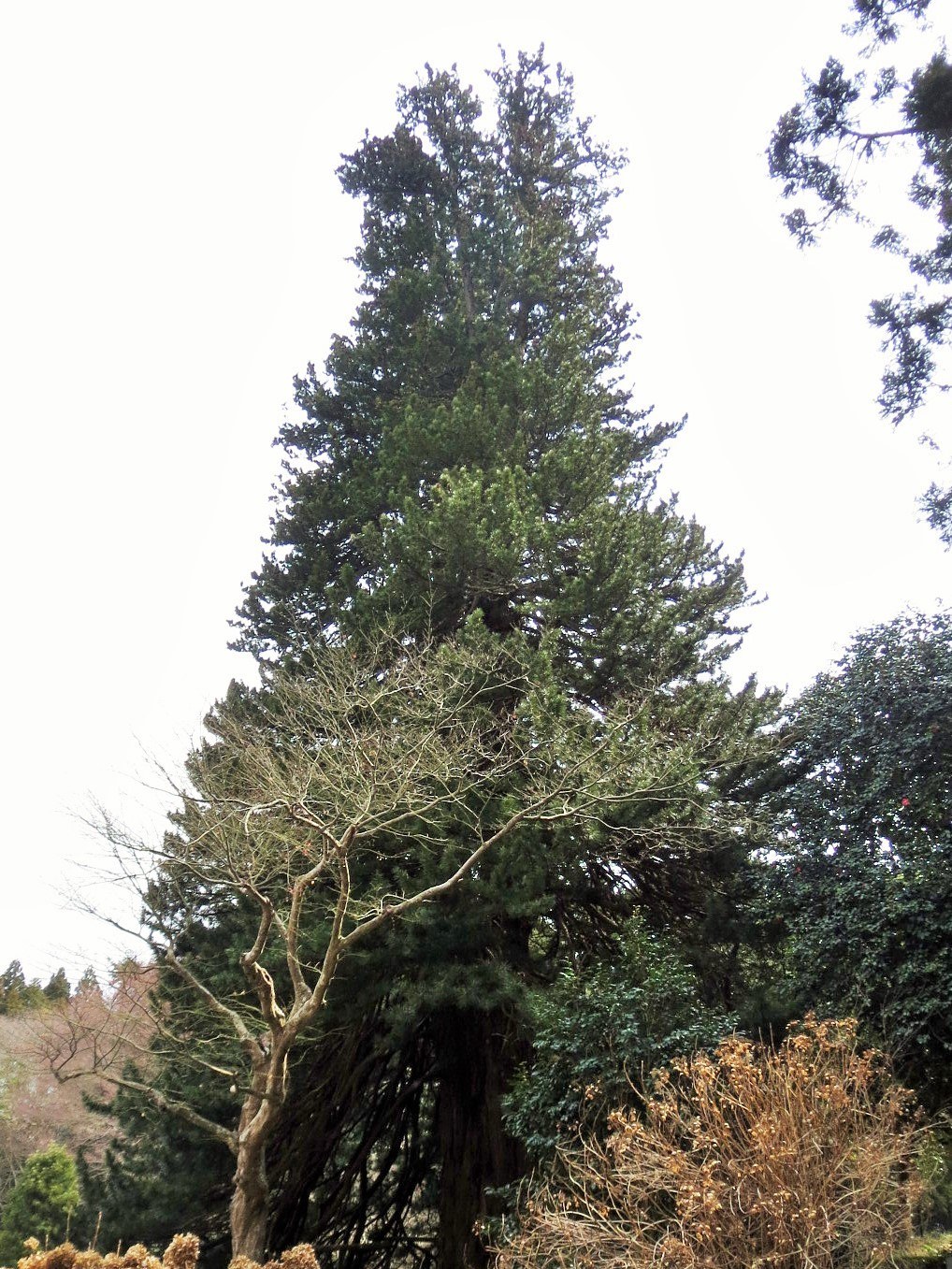
English Yew (Taxus baccata) is a slow-growing, exceptionally long-lived evergreen conifer native to Europe, North Africa, and southwest Asia. Some ancient specimens in Britain are estimated to be over a thousand years old.
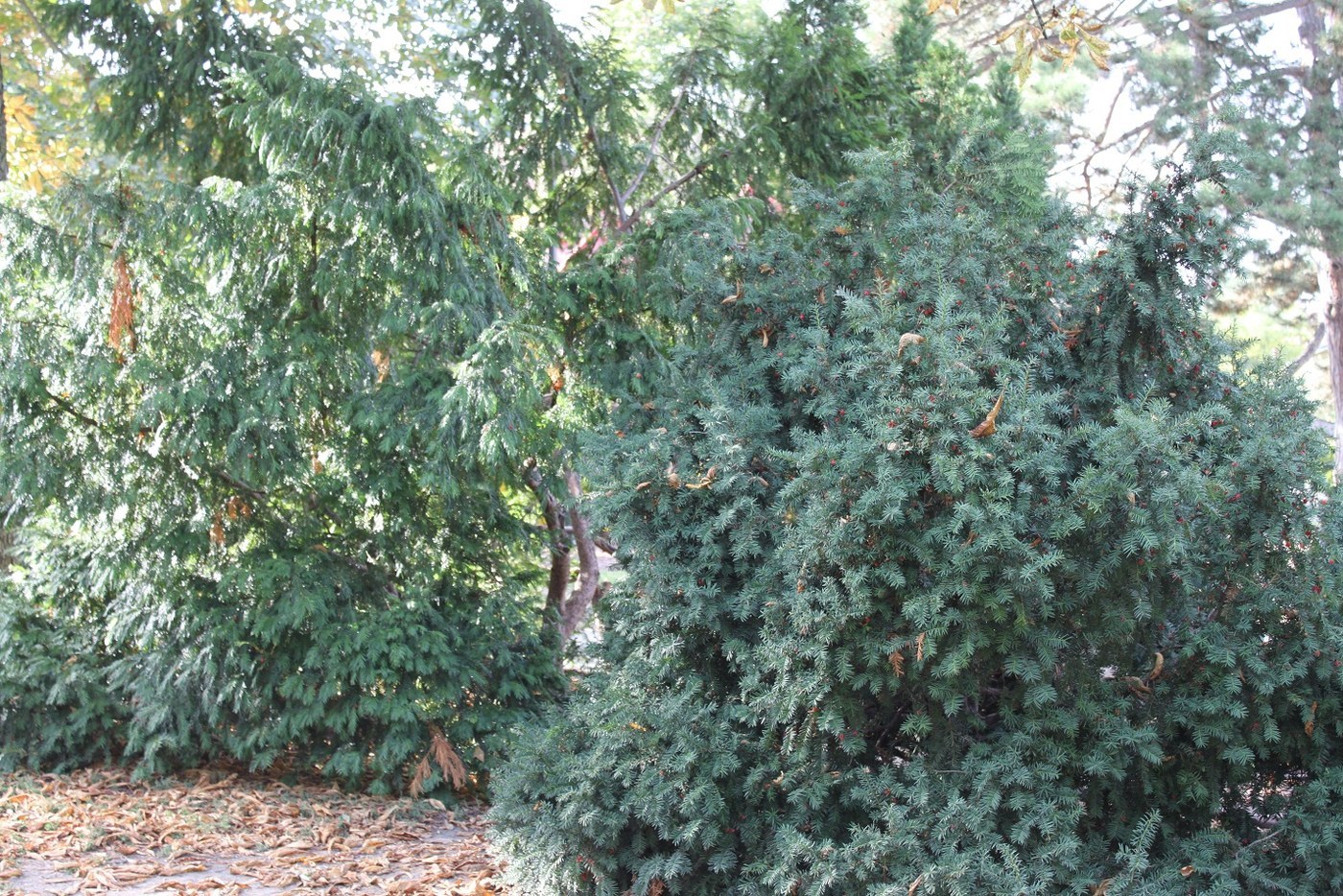
It has dense, dark green flat needles and, on female trees, distinctive fleshy red arils surrounding a single seed. Its tolerance of shade and hard pruning makes it the classic plant for formal hedges, topiary, and clipped garden architecture.
The yew is deeply woven into European history and folklore, often planted in churchyards.
How to identify it
Recognized by flat dark needles and red berry-like arils.
- Needles: Flat, soft, dark green needles about 1 inch long arranged in two rows along the twig, paler underneath
- Fruit: Female trees bear fleshy, bright red, cup-shaped arils each holding a single hard seed (not a true berry)
- Bark: Thin, reddish-brown, flaking in scales
- Habit: Dense, broadly conical to spreading; tolerates heavy clipping
- Size: Typically 30 to 60 feet if unpruned, but usually kept much smaller as hedging
Care & growing
Adaptable and forgiving, with one key need: good drainage.
- Light: Tolerates everything from full sun to deep shade
- Water: Moderate; the one thing it will not tolerate is waterlogged soil
- Soil: Well-drained soil of most types, including chalky and alkaline ground
- Temperature: Hardy in USDA zones 6 to 7 (varies by cultivar)
- Feeding: Light feeding in spring supports dense growth
- Pruning: Tolerates hard pruning extremely well, even into old wood, ideal for hedges and topiary
- Propagation: From cuttings or seed (seed germination is slow)
Habitat & origin
Native to Europe, including the British Isles, as well as North Africa and parts of southwest Asia, where it grows in woodland understory, on chalk downs, and in rocky places.
It has been cultivated for centuries in formal gardens, churchyards, and estates across Europe and is widely planted for hedging and topiary in temperate regions worldwide.
Frequently asked questions
How old can yews get?
Extremely old. Yews are among the longest-lived plants in Europe, with some ancient churchyard specimens estimated at well over a thousand years.
Can I cut it back hard?
Yes. Unlike most conifers, yew readily resprouts from old wood, so it tolerates heavy renovation pruning, which is why it is ideal for hedges and topiary.
Will it grow in shade?
Yes. Yew is unusually shade tolerant for a conifer and grows well from full sun to deep shade, as long as the soil drains freely.
How do I identify English yew?
Look for flat, soft, dark green needles in two rows along the twig, thin flaking reddish-brown bark, and bright red cup-shaped arils on female trees.
English Yew guides
In-depth guides for identifying, growing, and caring for English Yew.
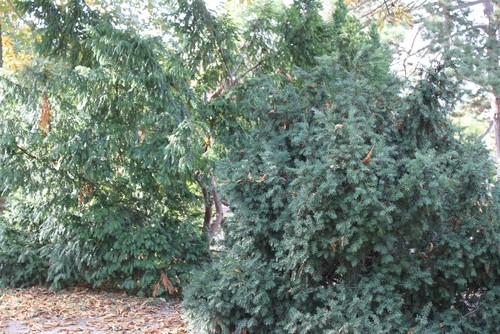
How to Care for English Yew
Grow English yew (Taxus baccata), a slow, long-lived evergreen conifer, in sun to full shade with well-drained soil; ideal for hedging and topiary.
English Yew Identification Guide
Identify the English Yew (Taxus baccata) by its flat dark-green needles, red fleshy berry-like arils, and dense shade-tolerant evergreen form.