How to Care for Eucalyptus
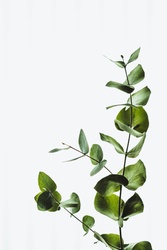
Eucalyptus is a fast-growing, aromatic tree with silvery blue foliage. Sun-loving and drought-tolerant once established, it thrives on lean soil and space.
Read the full Eucalyptus encyclopedia entry →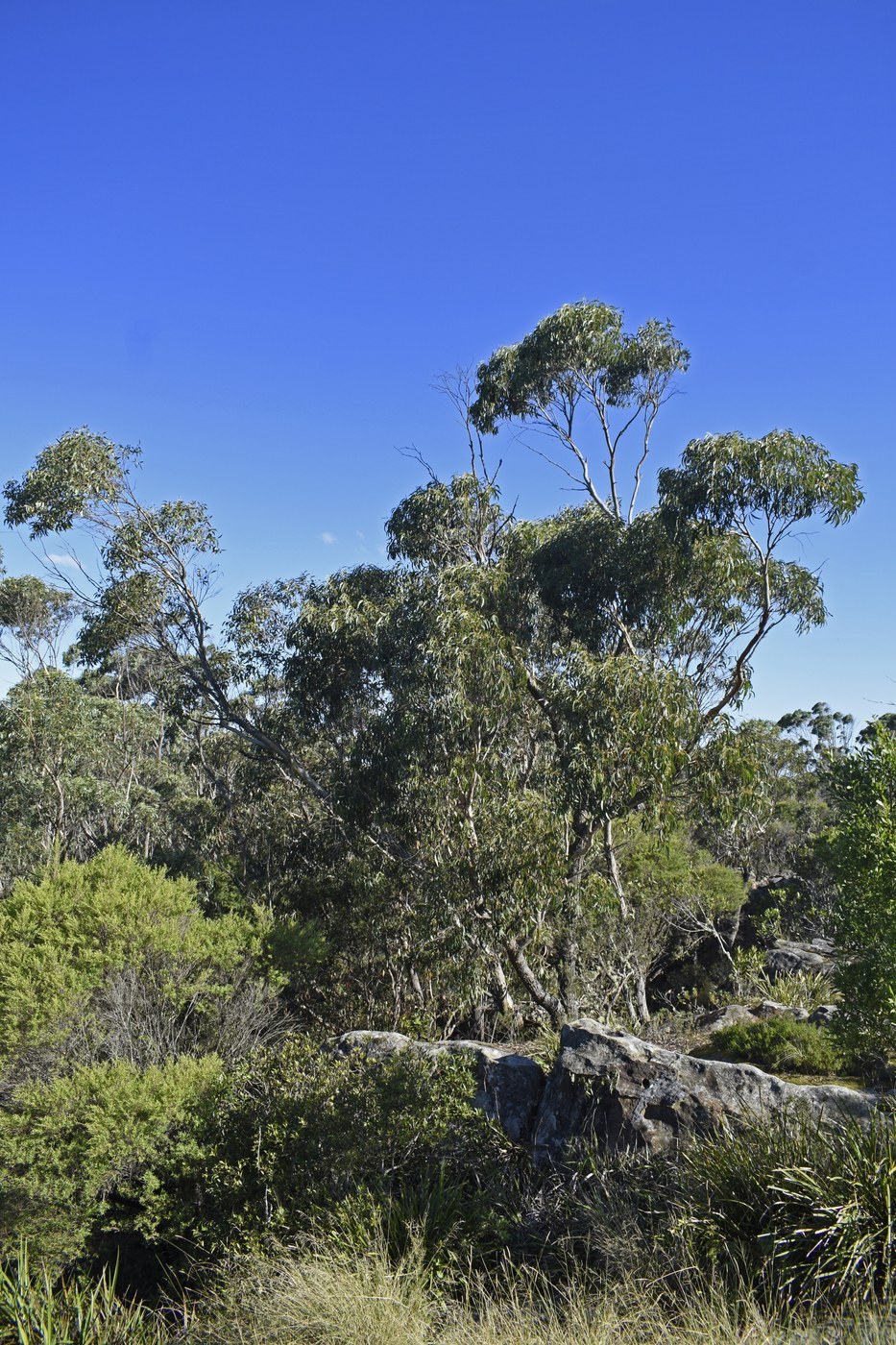
Eucalyptus (Eucalyptus globulus) is a vigorous, fast-growing evergreen tree famous for its aromatic, silvery blue-green juvenile foliage and peeling bark. It is a sun-loving, drought-tolerant subject once established, and its main challenges are managing its speed and size rather than coaxing it to grow.
Light
Eucalyptus demands full sun. It is a true sun tree that grows tall and straight toward the light and becomes weak, sparse, and floppy in shade. Give it the most open, unobstructed exposure you have. Container and indoor specimens need the very brightest position possible and still tend to stretch.
Water
Water young trees regularly through their first year or two to establish a deep root system. Once established, eucalyptus is notably drought-tolerant and generally needs little supplemental water, resenting soggy conditions far more than dryness. In containers it dries fast and needs more frequent watering, but always let excess drain freely.
Soil & Potting
This tree is adaptable and thrives even in poor, lean soils, but sharp drainage is essential. Avoid heavy, waterlogged ground. A gritty, free-draining loam suits it best. In pots, use a well-draining mix with added grit or perlite and a deep container, since eucalyptus develops a strong, fast root system and dislikes being waterlogged.
Humidity & Temperature
Eucalyptus favors warm, Mediterranean-type conditions with warm days and dry air, and is not fussy about humidity. E. globulus tolerates mild frosts once established but young plants and container specimens are more tender and should be protected from hard freezes. In cold regions grow it in a pot to shelter over winter, or treat it as a cut-back plant for foliage.
Feeding
Eucalyptus needs very little feeding and actually prefers lean conditions; overfeeding, especially with high nitrogen, produces weak, sappy growth prone to flopping. A light feed in spring for container plants is sufficient. Trees in the ground rarely need any supplemental fertilizer.
Propagation
Eucalyptus is propagated from seed, which for many species germinates more reliably after a period of cold stratification. Sow in warm, bright conditions and grow seedlings on quickly, as they resent root disturbance. Cuttings are notoriously difficult and are seldom used by home growers.
Repotting / Pruning
Because of its speed, eucalyptus quickly outgrows pots and benefits from repotting each spring, though it dislikes root disturbance so handle the root ball gently. Pruning is the key tool for size control: many growers coppice or pollard the tree, cutting it back hard in late winter, to keep it as a shrubby mound of prized juvenile foliage rather than a towering tree.
Common Problems & Pests
Eucalyptus is relatively pest-resistant, but it can be attacked by eucalyptus-specific pests such as psyllids, lerps, and in some regions the eucalyptus longhorn borer or gall wasps. Watch for sooty mold following sap-sucking insects. The most common cultural problems are root rot from waterlogged soil and wind-throw, since fast top growth on a shallow root system can make young trees unstable.
Seasonal Care Tips
Plant in spring so the tree establishes over the warm season. Water new trees through their first summers, then taper off as they root deeply. In late winter, coppice or pollard container and hedge plants to control size and refresh the silvery juvenile leaves. Protect tender young or potted specimens from hard winter frost.
Frequently asked questions
How do I keep my eucalyptus from getting too tall?
Coppice or pollard it, cutting the stems back hard in late winter. This keeps eucalyptus as a compact, shrubby plant with attractive silvery juvenile foliage instead of a large tree.
How much water does eucalyptus need?
Water young trees regularly for the first year or two to establish them. After that, eucalyptus is drought-tolerant and needs little extra water, disliking waterlogged soil far more than dry conditions.
Can I grow eucalyptus in a container?
Yes. Use a deep, free-draining pot, give it full sun, water when the mix dries, and feed lightly in spring. Repot each spring and cut it back to manage its fast growth.
Does eucalyptus need fertilizer?
Very little. It thrives in lean soil, and heavy feeding produces weak, floppy growth. A light spring feed suffices for potted plants; in-ground trees usually need none.
Eucalyptus identified by the community
Recent Eucalyptus specimens identified with Plant Identifier.