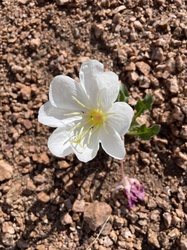
How to Care for Evening Primrose
Growing guide for evening primrose (Oenothera biennis), a drought-tolerant biennial with fragrant yellow flowers that open at dusk.
Read the full Evening Primrose encyclopedia entry →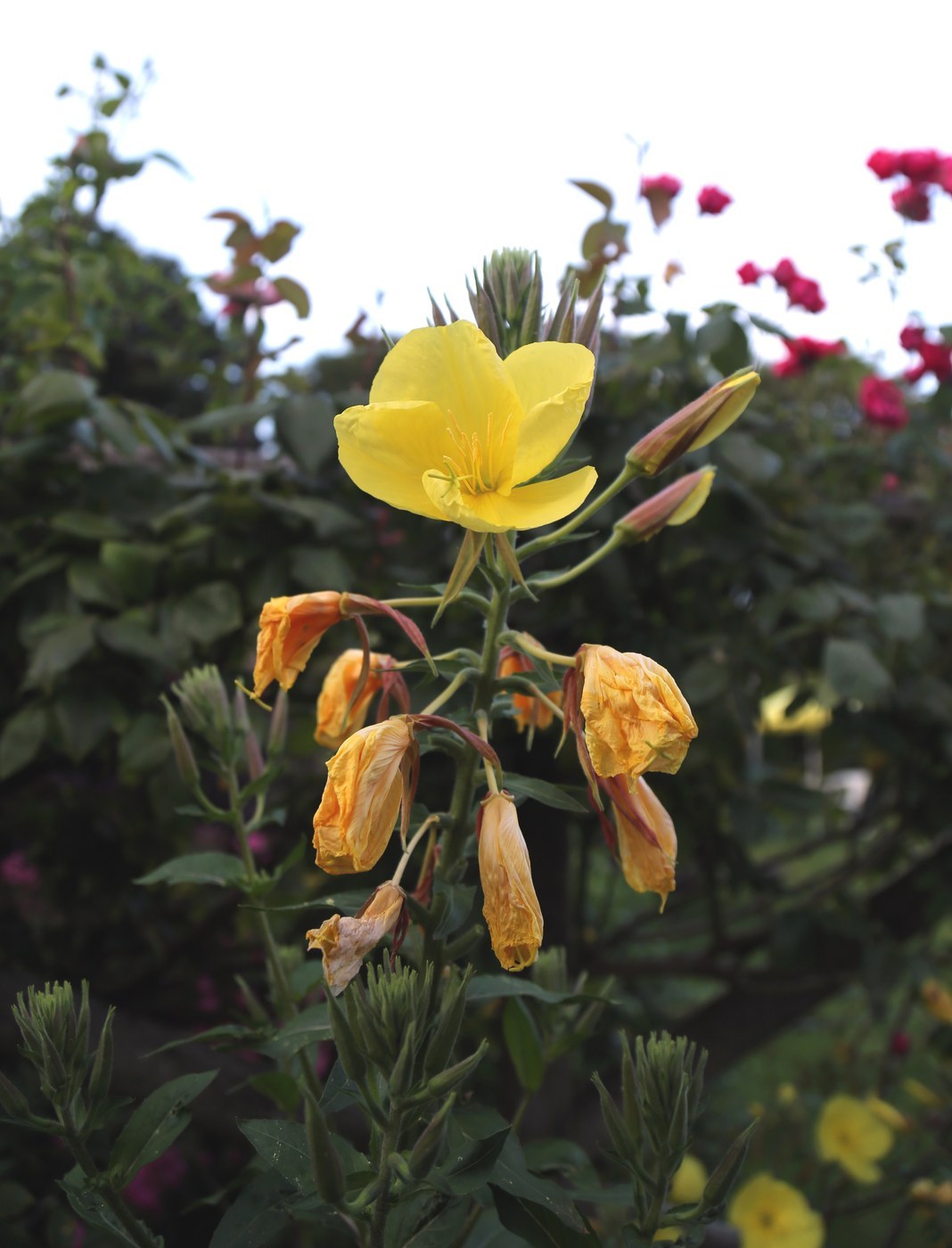
Evening primrose (Oenothera biennis) is a hardy, drought-tolerant biennial known for its lemon-yellow blooms that unfurl at dusk and release a light fragrance. It forms a leafy rosette in its first year and sends up tall flowering spikes in its second, making it an easy, self-sustaining choice for sunny, low-maintenance gardens.
Light
Evening primrose needs full sun for the strongest flowering and sturdiest stems. Give it at least six hours of direct light daily. It will grow in light shade but blooms less freely and tends to stretch toward the light.
Water
Water needs are low; this is a genuinely drought-tolerant plant. Water new plantings to help them establish, then let mature plants rely largely on rainfall. It thrives in dry, lean conditions and dislikes constantly wet soil, which can cause root rot.
Soil & Potting
Evening primrose is adaptable and grows well in poor, sandy, or gravelly soils with sharp drainage. It tolerates a wide pH range and actually blooms best in lean ground rather than rich, fertile beds. Good drainage is the single most important factor. In containers, use a gritty, free-draining mix and a deep pot to accommodate its taproot.
Humidity & Temperature
This is a cold-hardy plant that withstands harsh winters as a rosette and tolerates summer heat with ease. It is unfussy about humidity, preferring open, airy sites. As a biennial it overwinters as a low rosette and flowers the following season.
Feeding
Evening primrose needs little to no fertilizer and often flowers best in poor soil. Overfeeding produces lush foliage at the expense of blooms and can make stems floppy. If growth is very weak, a single light feeding of balanced fertilizer in spring is sufficient.
Propagation
Propagate from seed, which the plant produces in abundance. Sow seed on the soil surface in fall or early spring, as it needs light to germinate. Evening primrose self-sows readily, so once established it typically maintains itself with volunteer seedlings year after year.
Repotting / Pruning
Because of its taproot, evening primrose resents transplanting once mature, so start plants in place. Deadhead spent flowers to prolong bloom and control self-seeding, or leave some seed heads if you want volunteers. After flowering and seeding in its second year, the plant naturally declines and can be cut back and removed.
Common Problems & Pests
Evening primrose is largely trouble-free. Powdery mildew and leaf spot can appear in humid, crowded, or overly shaded conditions, so ensure good air circulation. Aphids may gather on new growth and flower stalks. Root rot is the main risk in poorly drained or overwatered soil. Japanese beetles or flea beetles occasionally chew the foliage.
Seasonal Care Tips
Sow seed in fall or early spring. In the first year, expect only a leafy rosette; in the second, tall flowering stems appear in summer. Deadhead through the bloom season to extend flowering, and allow a few seed heads to ripen in late summer to guarantee next year's plants. No winter protection is needed for the hardy overwintering rosette.
Frequently asked questions
Why do evening primrose flowers open in the evening?
The blooms naturally unfurl at dusk and stay open through the night, a habit that gives the plant its common name and makes it especially eye-catching at twilight.
Is evening primrose a perennial?
It is a biennial: it forms a leafy rosette the first year, flowers and sets seed the second year, then declines, but it self-sows so freely that stands often persist for years.
How much water does evening primrose need?
Very little. It is drought-tolerant once established, so water only to get new plants going and then rely mostly on rainfall, avoiding soggy soil.
Does evening primrose bloom better in rich or poor soil?
Poor, lean, well-drained soil produces the best flowering. Rich soil and heavy feeding encourage floppy foliage at the expense of blooms.
Evening Primrose identified by the community
Recent Evening Primrose specimens identified with Plant Identifier.