How to Care for False Sunflower
A cheerful, drought-tolerant native perennial with golden daisy-like blooms all summer, thriving in full sun.
Read the full False Sunflower encyclopedia entry →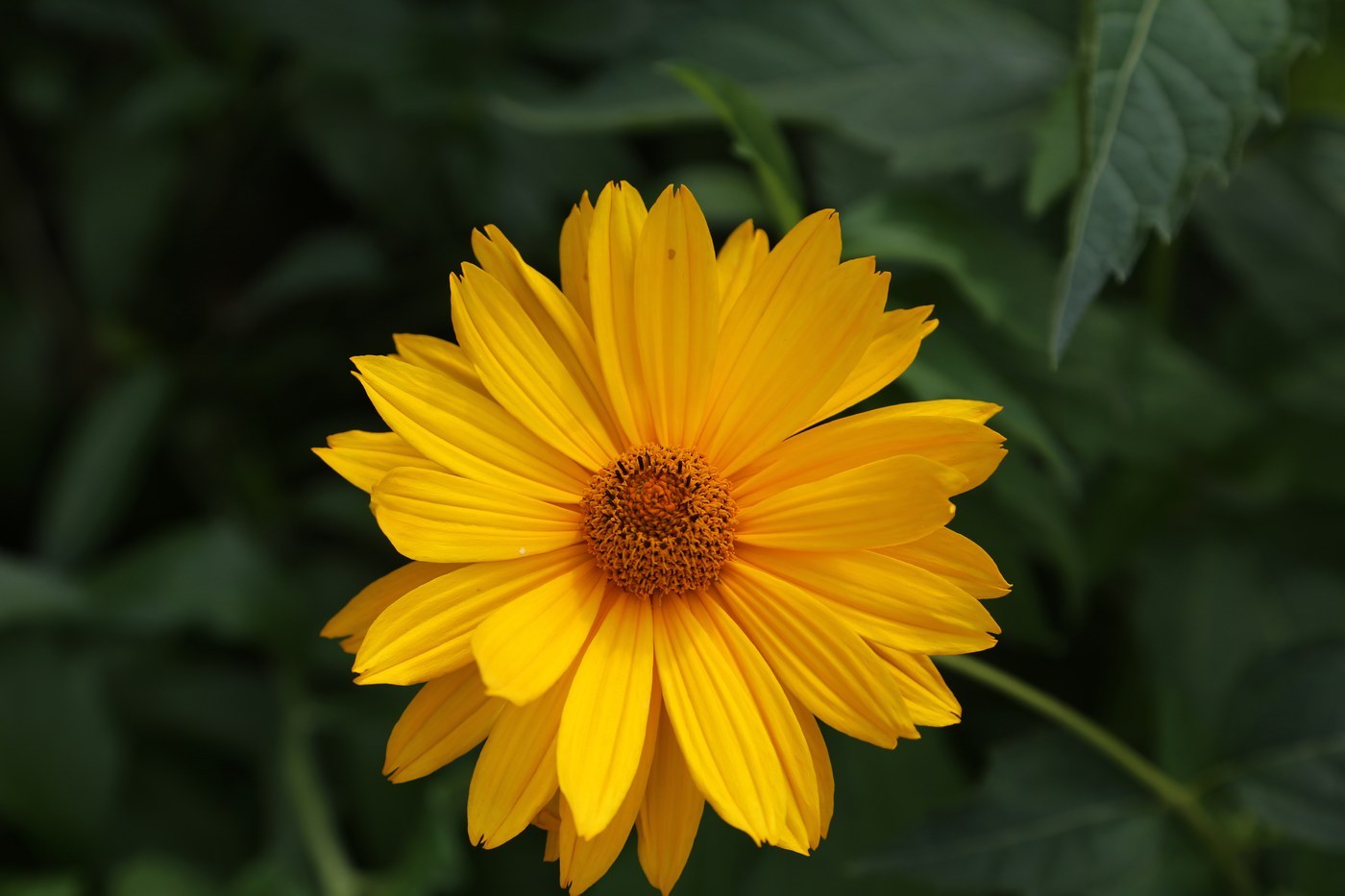
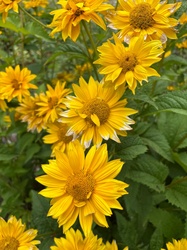
False Sunflower (Heliopsis helianthoides), sometimes called ox-eye sunflower, is a robust, easy-going native perennial that produces a long summer show of golden-yellow, daisy-like blooms on sturdy stems. Unlike true annual sunflowers, it returns year after year and tolerates heat and drought with ease, making it a reliable workhorse for sunny borders and meadow plantings.
Light
Plant in full sun for the most abundant flowering and the sturdiest, most upright growth. False Sunflower can tolerate a little light shade but tends to stretch, flower less, and flop in low light. A bright, open position keeps the plant compact and covered in blooms.
Water
Water regularly during the first growing season to establish a strong root system. Once established, Heliopsis is low- to moderate-water and quite drought-tolerant, needing only occasional deep watering during prolonged dry spells. It dislikes constantly wet feet, so let the soil dry somewhat between waterings.
Soil & Potting
This adaptable plant grows in average to poor soils and is not fussy about fertility, provided drainage is reasonable. It tolerates clay better than many perennials. A neutral pH is ideal but it accepts a range. Overly rich soil produces lush, floppy growth, so lean conditions actually give sturdier plants.
Humidity & Temperature
Hardy across roughly USDA zones 3-9, False Sunflower handles both cold winters and hot, humid summers with no special care. It thrives in typical outdoor garden humidity and appreciates good air circulation to keep foliage healthy. The plant dies back in winter and re-emerges reliably each spring.
Feeding
False Sunflower is a light feeder. A spring application of compost or a modest dose of balanced fertilizer is plenty. Avoid heavy feeding, which encourages weak, floppy stems at the expense of flowers. In lean native-style plantings it often needs no supplemental feeding at all.
Propagation
Propagate by seed or by dividing established clumps in spring or fall. Seed germinates readily and often self-sows in the garden, so deadhead if you want to limit spread. Division every few years rejuvenates older clumps and provides new plants; simply lift the crown and split it into sections with roots and shoots.
Repotting / Pruning
Divide congested clumps every three to four years in spring to keep them vigorous. Deadhead spent flowers to prolong the bloom and reduce self-seeding. Some gardeners pinch or cut plants back by a third in early summer to encourage bushier, sturdier growth. Cut stems to the ground in late fall or leave them standing for winter structure and seed for birds, then tidy in spring.
Common Problems & Pests
Generally trouble-free, False Sunflower can occasionally attract aphids on new growth and may develop powdery mildew in humid, crowded conditions. Improve air circulation and avoid overhead watering to reduce mildew. Flopping is usually a sign of too much shade or too-rich soil. Its vigorous self-seeding can become abundant, so deadhead if you prefer a tidier planting.
Seasonal Care Tips
In spring, divide old clumps and cut back last year's stems if left standing. Optionally pinch plants in early summer for a bushier habit. Deadhead regularly through the long summer bloom to keep flowers coming. In fall, leave some seed heads standing for winter interest and birds, or cut back for a tidy garden. No winter protection is needed in its hardiness range.
Frequently asked questions
How is False Sunflower different from a true sunflower?
False Sunflower (Heliopsis) is a hardy perennial that returns every year, forming clumps and blooming all summer, whereas true garden sunflowers (Helianthus annuus) are typically annuals grown fresh from seed each season.
How do I keep False Sunflower from flopping?
Give it full sun and lean, well-drained soil, and avoid over-fertilizing. Pinching or cutting the plant back by about a third in early summer also encourages sturdier, bushier growth that supports itself.
Should I deadhead False Sunflower?
Yes, deadheading spent blooms prolongs flowering and reduces its enthusiastic self-seeding. If you want to feed birds and add winter interest, leave some seed heads standing at season's end.
How often should I divide False Sunflower?
Every three to four years in spring or fall. Dividing rejuvenates older, congested clumps, keeps them vigorous and free-flowering, and gives you new plants to spread around the garden.
False Sunflower identified by the community
Recent False Sunflower specimens identified with Plant Identifier.