False Sunflower
Heliopsis helianthoides
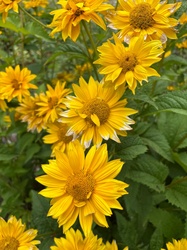
False sunflower is a tough native perennial covered in golden-yellow daisy-like blooms all summer. It resembles a true sunflower but returns reliably year after year.
- Light
- Full sun
- Water
- Low to moderate; drought-tolerant
- Difficulty
- Easy
Got a plant like this?
Identify any plant from a photo, free.
Overview
False sunflower (Heliopsis helianthoides) is a long-blooming North American perennial that produces masses of cheerful yellow to golden-orange, daisy-like flowers from early summer into fall.
Its name reflects its resemblance to true sunflowers (Helianthus), but it is a separate genus and, unlike annual sunflowers, it is a dependable perennial. The genus name means sun-like.
Undemanding and adaptable, it stands up to heat, drought, and poor soil, making it a workhorse of prairie, cottage, and pollinator gardens.
How to identify it
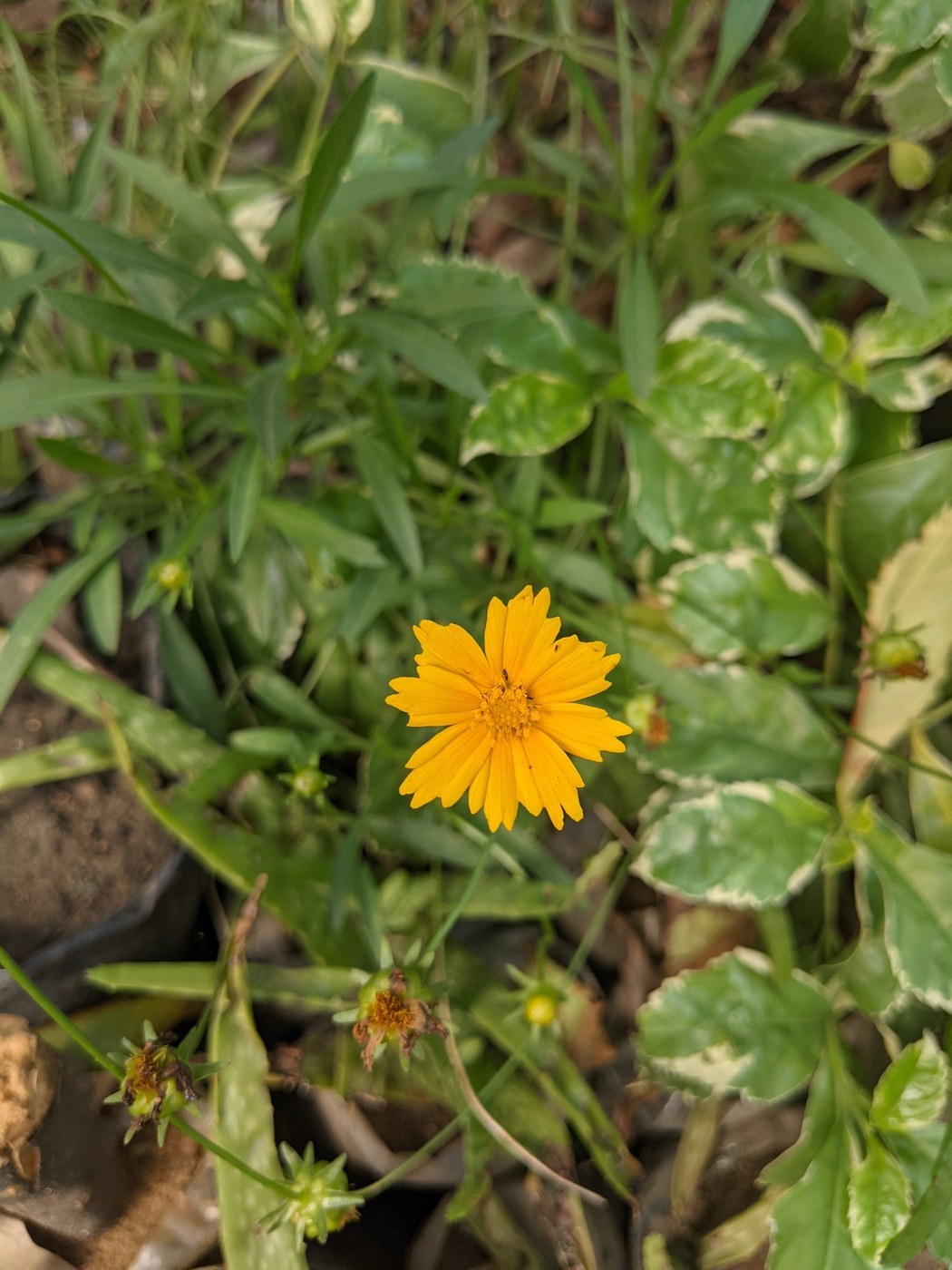
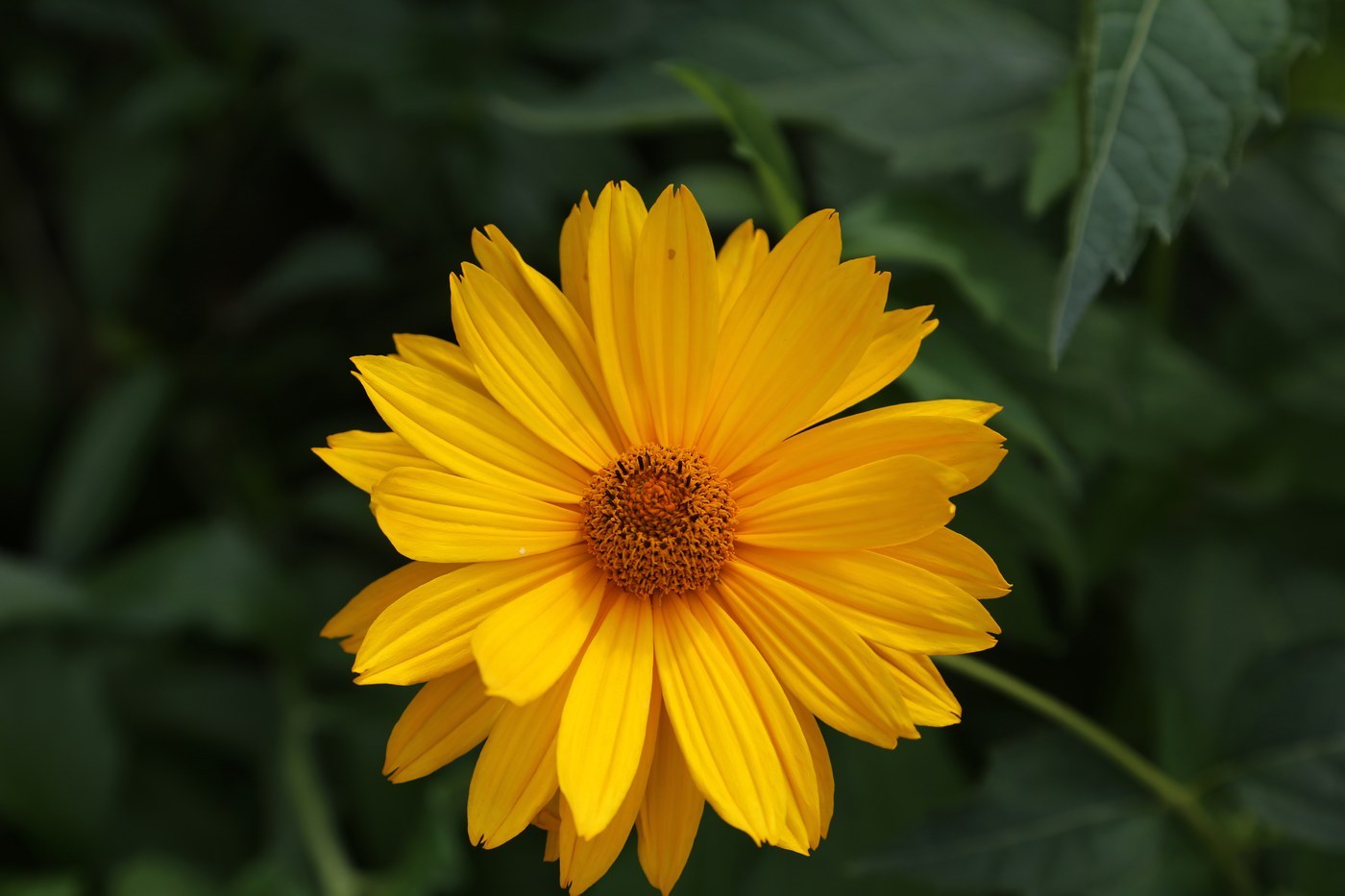
- Flowers: Daisy-like heads 2-3 in across, with golden-yellow ray petals around a darker yellow-brown central disk; single or semi-double in cultivars
- Bloom time: Early summer through fall, especially with deadheading
- Foliage: Coarse, toothed, lance- to egg-shaped leaves; some cultivars have dark or variegated foliage
- Height: Bushy clumps 3-5 ft tall
- Habit: Upright, clump-forming perennial
Care & growing
- Light: Full sun for the most flowers and sturdiest stems
- Water: Low to moderate; drought-tolerant once established but blooms longer with occasional watering
- Soil: Adaptable, including clay and poor soils; prefers average, well-drained ground
- Temperature: Hardy roughly USDA zones 3-9
- Feeding: Minimal; rich soil can cause floppy growth
- Propagation: Easy by division or from seed; deadhead to prolong bloom and limit self-seeding
Habitat & origin
False sunflower is native across central and eastern North America, growing in prairies, open woods, meadows, and along roadsides and thickets.
It is widely planted in native and pollinator gardens, prairie restorations, and sunny perennial borders, where it tolerates tough conditions.
Frequently asked questions
What's the difference between false sunflower and a real sunflower?
False sunflower (Heliopsis) is a perennial that returns each year, while common garden sunflowers (Helianthus annuus) are annuals. They look similar but are different genera.
How do I keep false sunflower blooming all summer?
Deadhead spent flowers regularly and give it full sun. This extends the display from early summer well into fall.
Why is my false sunflower flopping?
Floppy stems usually result from too much shade or overly rich soil. Grow it in full sun and lean soil, or pinch stems back in late spring for a bushier plant.
Does false sunflower spread aggressively?
It can self-seed and form expanding clumps, but it is easy to manage by deadheading and dividing, and is not considered invasive.
False Sunflower guides
In-depth guides for identifying, growing, and caring for False Sunflower.
How to Care for False Sunflower
A cheerful, drought-tolerant native perennial with golden daisy-like blooms all summer, thriving in full sun.
False Sunflower Identification Guide
How to identify False Sunflower (Heliopsis helianthoides) by its golden-yellow daisy flowers with yellow (not brown) cone centers, opposite rough leaves, and long summer bloom.
False Sunflower identified by the community
Real specimens identified with Plant Identifier.