
How to Care for Feather Cactus
Grow Mammillaria plumosa, a cushion-forming cactus cloaked in soft white feathery spines, with bright light and a careful dry-side watering routine.
Read the full Feather Cactus encyclopedia entry →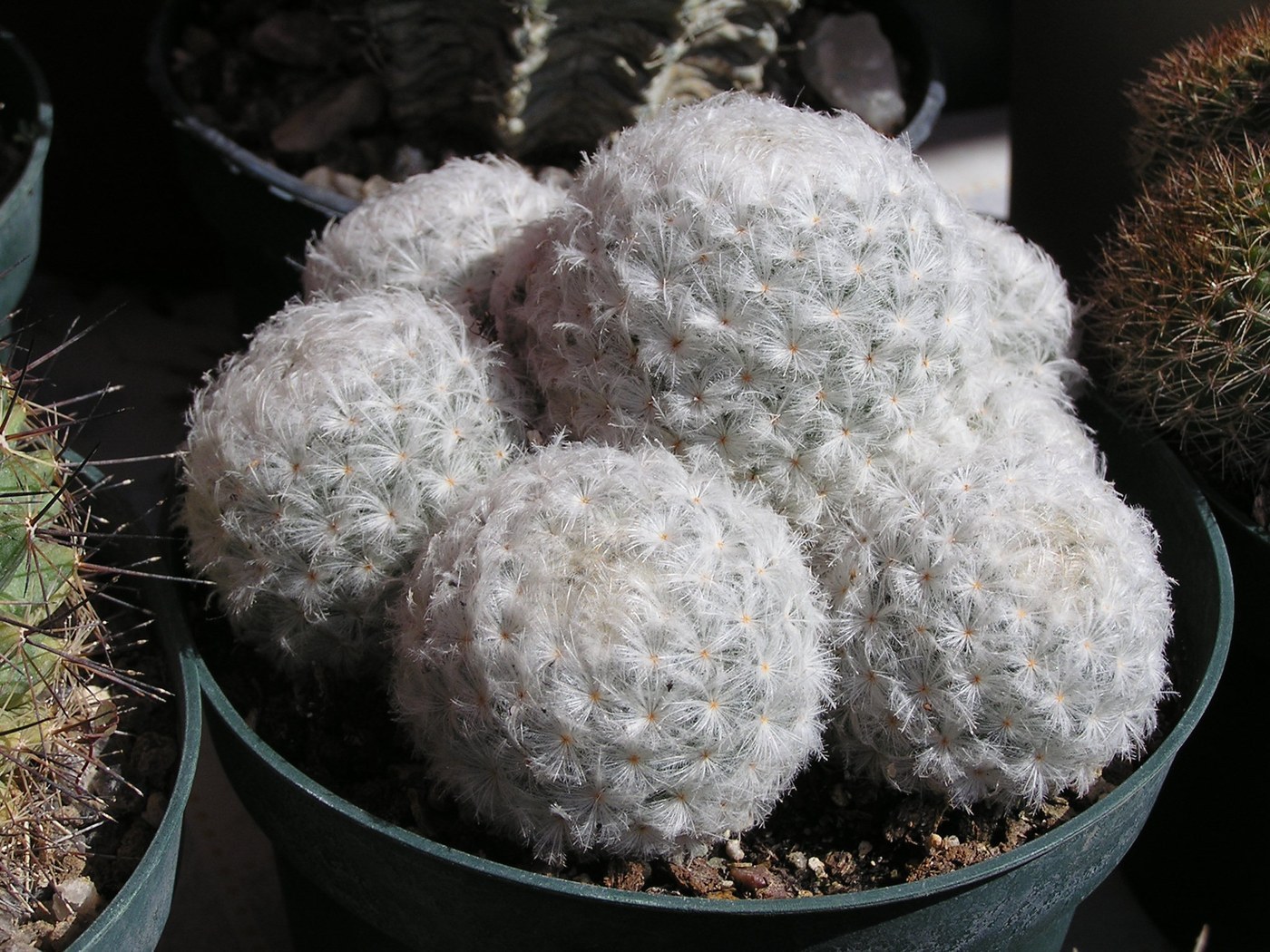
The feather cactus (Mammillaria plumosa) is a slow-growing, clustering globular cactus densely covered in soft, feathery white spines that give it the look of a fluffy cushion. Its beauty comes with a need for restraint: it wants strong light and very careful watering to keep its plumed coat healthy.
Light
Provide bright light with some direct sun to keep the plant compact and the feathery spines dense and white. A south- or east-facing windowsill indoors is ideal; outdoors, give it bright exposure but acclimate gradually to strong midday sun to avoid scorching. Insufficient light causes etiolation, thin spines and a stretched, pale body.
Water
Water sparingly and only after the soil has dried out completely. Soak the mix thoroughly, let excess drain, then wait until it is bone-dry before watering again. The soft spines trap moisture, so water at the base rather than overhead to keep the plumes dry and prevent rot. In winter, reduce watering to almost nothing while the plant rests.
Soil & Potting
Use a very gritty, fast-draining cactus mix, ideally amended with extra pumice, perlite or coarse sand so water runs straight through. A shallow clay pot with large drainage holes suits its shallow root system and helps the soil dry quickly. Never let it sit in a saucer of water.
Humidity & Temperature
This cactus prefers warm, dry air and low humidity. Ordinary room temperatures suit it in the growing season. It appreciates a cool, dry winter rest around 10 C to encourage flowering, but protect it from frost, which it will not tolerate. Avoid damp, stagnant conditions at all times.
Feeding
Feed lightly during the active growing season, roughly once a month in spring and summer, using a dilute low-nitrogen cactus fertilizer. Withhold feeding entirely in autumn and winter. Overfeeding produces soft, weak growth prone to rot.
Propagation
Feather cactus clusters naturally into cushions, and the easiest way to propagate is by carefully detaching an offset from the mother plant. Let the cut surface callus over for several days in a dry, shaded spot, then set it on barely moist gritty mix until roots form. It can also be grown from seed, though this is slow.
Repotting / Pruning
Repot only every few years, or when the cluster outgrows its pot, doing so in spring while the plant is dry. Handle it gently, using folded paper or gloves to avoid crushing the delicate spines. No pruning is needed; simply remove any shriveled or rotted sections with a clean tool.
Common Problems & Pests
The biggest risk is rot from overwatering or from moisture lodging in the feathery spines. Signs of trouble include a mushy, browning base or discolored patches. Mealybugs can hide among the plumes, and root mealybugs or spider mites occasionally appear; treat promptly and improve airflow. Keeping the plant dry-side and well-lit prevents most problems.
Seasonal Care Tips
Resume watering gradually in spring as growth restarts, and begin monthly feeding. Through the hot months, water only when fully dry and shield from harsh midday sun. In autumn, taper off water and stop feeding. Give the plant a cool, dry, bright winter rest with minimal water to promote spring blooms.
Frequently asked questions
Why is my feather cactus turning brown and mushy?
This is almost always rot from overwatering or water sitting in the spines. Let the soil dry completely between waterings, water at the base only, use a gritty fast-draining mix, and cut away any rotted tissue with a clean tool.
How often should I water a feather cactus?
Only when the soil is completely dry, which may mean every couple of weeks in summer and almost never in winter. Always err on the dry side, since its fluffy spines make it especially prone to rot.
Why are the spines looking thin and the plant stretching?
That is etiolation from too little light. Move it to a brighter spot with some direct sun so it stays compact and the feathery white spines fill in densely.
How do I handle it without damaging the soft spines?
Use folded paper or soft gloves and grip gently around the pot rather than the body. Repot only when necessary, in spring, while the plant and soil are dry.