
How to Care for Fennel
Growing guide for fennel (Foeniculum vulgare), a tall, feathery, sun-loving aromatic with lacy foliage and golden umbel flowers.
Read the full Fennel encyclopedia entry →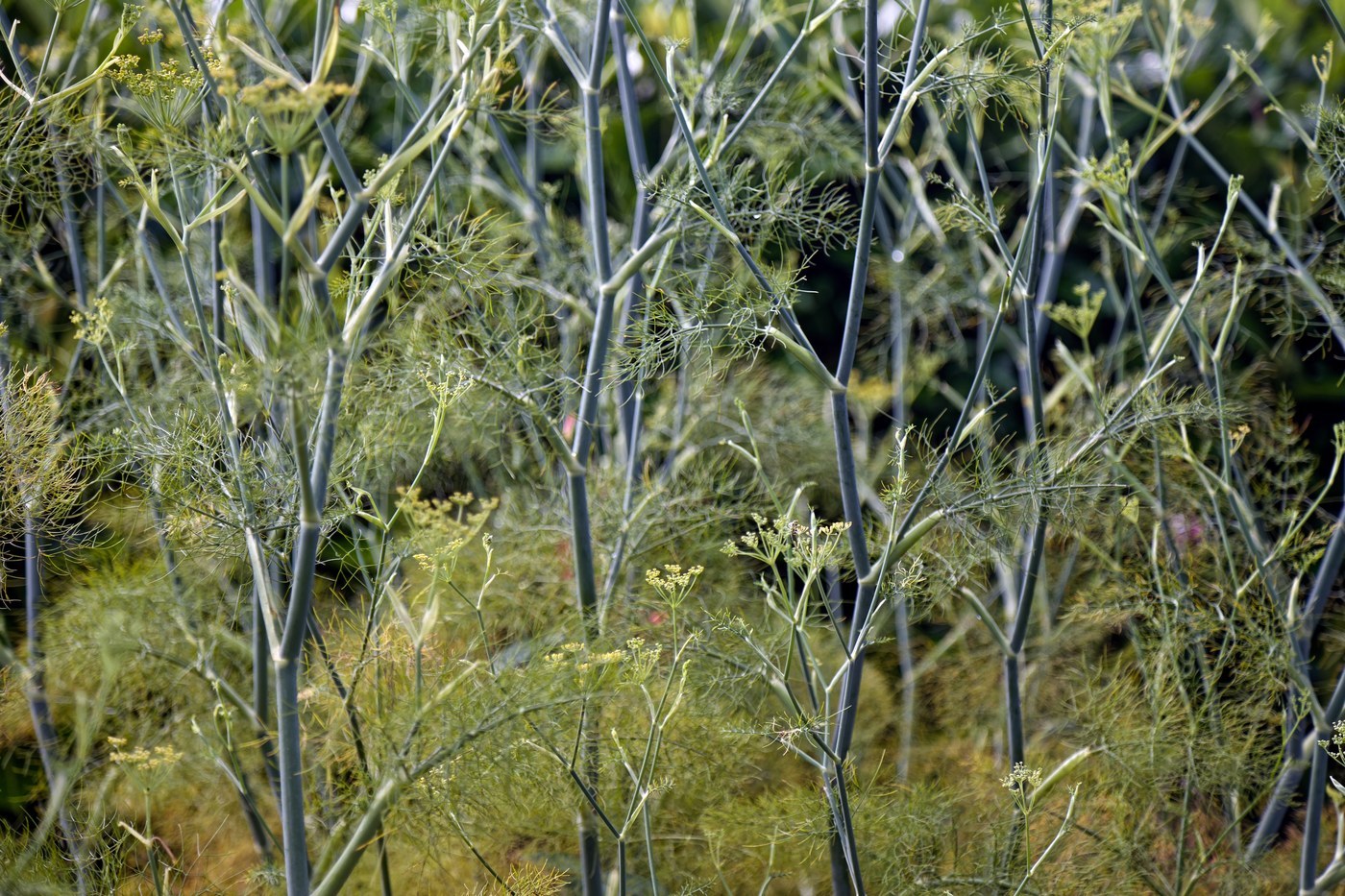
Fennel (Foeniculum vulgare) is a tall, elegant aromatic with feathery, thread-fine blue-green foliage and flat golden umbels that draw pollinators. It is easy to grow in a warm, sunny spot and rewards gardeners with airy vertical structure in the ornamental border.
Light
Fennel demands full sun. Give it at least six to eight hours of direct light daily for compact, well-colored, upright growth. In too much shade the stems become leggy and floppy and the foliage thins.
Water
Keep the soil evenly moist with moderate, regular watering, especially while plants are establishing and during dry spells. Fennel tolerates some dryness once mature but grows lushest with consistent moisture. Avoid both drought stress, which can trigger premature flowering, and standing water, which rots the roots.
Soil & Potting
Grow fennel in fertile, well-drained soil with plenty of organic matter and a slightly acidic to neutral pH. It has a long taproot, so it prefers deep, loose ground and dislikes being transplanted once established. In containers, use a deep pot with free-draining potting mix. Note that fennel can inhibit the growth of some neighboring plants, so give it its own space.
Humidity & Temperature
Fennel is a warm-season, sun-loving plant that thrives in mild to warm temperatures. It is frost-sensitive as a tender perennial in cold climates, where it is often grown as an annual. Average outdoor humidity suits it well; good airflow keeps the delicate foliage healthy.
Feeding
Fennel is a light feeder. Working compost into the bed at planting usually supplies enough nutrients. A light monthly application of balanced fertilizer during active growth supports lush foliage, but avoid heavy nitrogen, which produces weak, floppy stems.
Propagation
Propagate fennel from seed, which it produces abundantly. Sow directly where it is to grow, since the taproot resents disturbance from transplanting. Seeds germinate best in warm soil after the last frost. Fennel also self-sows freely, so deadhead spent flowers if you want to limit volunteers.
Repotting / Pruning
Because of its taproot, fennel is best left in place rather than repotted; move container plants only when young. Pinch or trim foliage to encourage bushier growth, and cut back flower stalks before they set seed if you want to keep the plant leafy and prevent excessive self-seeding. Cut old stems to the ground in late fall.
Common Problems & Pests
Fennel is generally trouble-free. Aphids can cluster on new growth and the flower umbels; hose them off or manage with insecticidal soap. Swallowtail butterfly caterpillars sometimes feed on the foliage. Root rot occurs in soggy soil, and drought or crowding can cause premature bolting to flower.
Seasonal Care Tips
Sow seed in spring once soil has warmed. Through summer, water steadily and remove flower heads if you want continued leafy growth. In fall, allow some umbels to mature if you want self-sown seedlings, then cut plants back. In cold-winter regions, mulch the crown heavily or grow fennel as an annual and resow each spring.
Frequently asked questions
How much sun does fennel need?
Full sun, at least six to eight hours of direct light daily. In shade the stems grow leggy and floppy and foliage thins out.
Why is my fennel flowering too early?
Premature bolting is usually triggered by drought stress or heat. Keep the soil evenly moist and avoid letting plants dry out to delay flowering.
Can I transplant fennel?
It is best sown directly where it will grow because its long taproot resents disturbance. Move container-grown plants only while very young.
Does fennel come back every year?
It is a tender perennial that returns in mild climates but is frost-sensitive, so in cold regions it is usually grown as an annual and resown each spring.