
How to Care for Fenugreek
Grow lush fenugreek from seed in full sun with steady moisture and light feeding for fast, fragrant clover-like foliage.
Read the full Fenugreek encyclopedia entry →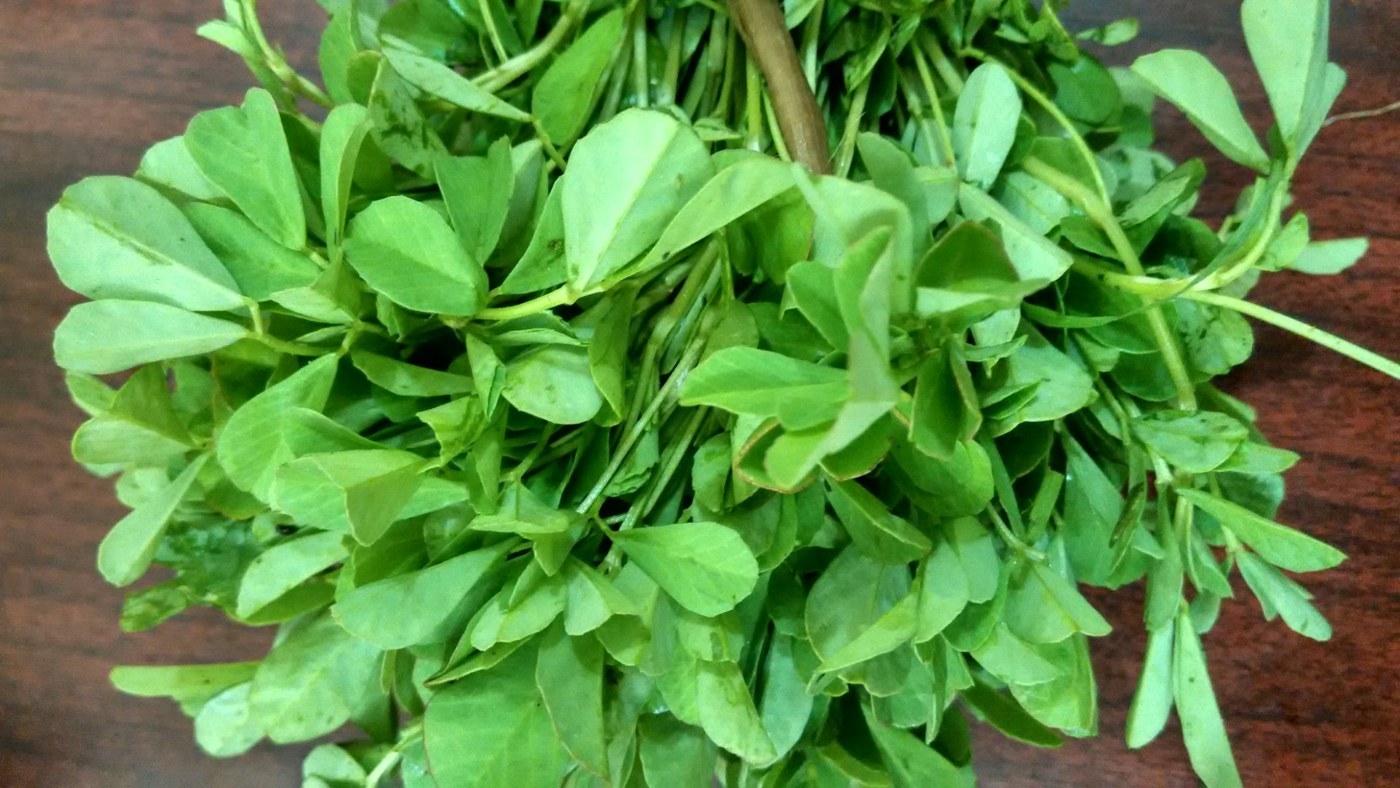
Fenugreek (Trigonella foenum-graecum) is a fast-growing annual legume with soft, clover-shaped leaves and small pale flowers. It germinates readily and matures quickly, making it a rewarding, low-fuss plant for sunny beds, containers, or a windowsill.
Light
Give fenugreek full sun, at least 6 hours of direct light daily. Outdoors, choose the brightest spot you have; indoors, place it at a south- or west-facing window and supplement with a grow light if leaves stretch or lean toward the glass. Ample light keeps growth compact and the foliage a deep, healthy green.
Water
Keep the soil evenly moist but never waterlogged. Water when the top half-inch of soil begins to dry, giving a thorough soak that drains freely from the pot's base. During warm spells and rapid growth, fenugreek may need watering every day or two; ease off in cooler, cloudier weather. Consistent moisture prevents the tender leaves from wilting or turning papery.
Soil & Potting
Use a light, free-draining loam or a quality potting mix amended with compost. Fenugreek dislikes heavy, compacted soil that stays soggy, so add perlite or coarse sand if drainage is poor. A container 6-8 inches deep with drainage holes is plenty. As a legume, it fixes its own nitrogen, so overly rich soil is unnecessary.
Humidity & Temperature
Fenugreek thrives in warm conditions between roughly 15-30°C (60-86°F). It is frost-sensitive, so sow only after the danger of frost has passed or grow it indoors in cool climates. Average household humidity suits it well; good airflow helps prevent damp-related fungal issues on the dense foliage.
Feeding
Because it fixes nitrogen, fenugreek needs little feeding. A single dose of balanced, diluted liquid fertilizer a few weeks after germination is usually enough for containers. Avoid high-nitrogen feeds, which produce floppy, weak growth rather than sturdy plants.
Propagation
Fenugreek is grown from seed. Sow seeds directly about 1 cm (half an inch) deep and 3-5 cm apart, then thin as they grow. Germination typically occurs within 3-6 days in warm soil. Successive sowings every couple of weeks give a continuous supply of fresh foliage.
Repotting / Pruning
As a quick annual, fenugreek is rarely repotted; simply sow into its final container. Pinch or trim the growing tips to encourage bushier growth. Removing older outer leaves keeps plants tidy and stimulates new shoots.
Common Problems & Pests
Overwatering and poor drainage are the main causes of trouble, leading to yellowing leaves and root rot. Aphids may cluster on tender new growth; rinse them off or treat with insecticidal soap. Powdery mildew can appear in humid, crowded plantings, so space seedlings and ensure airflow. Leggy, pale plants signal insufficient light.
Seasonal Care Tips
Sow in spring and summer when temperatures are reliably warm. In hot mid-summer weather, provide light afternoon shade to slow bolting and keep foliage lush. Fenugreek completes its life cycle quickly, so plan repeated sowings through the growing season rather than trying to overwinter a single plant.
Frequently asked questions
How much sun does fenugreek need?
Give it full sun, at least 6 hours of direct light daily. Indoors, use a bright south-facing window or a grow light to keep growth compact and green.
How often should I water fenugreek?
Keep the soil evenly moist, watering when the top half-inch dries out. In warm weather this may mean every day or two, always letting excess drain freely.
Does fenugreek need fertilizer?
Very little. As a nitrogen-fixing legume it feeds itself; one dose of diluted balanced fertilizer a few weeks after germination is plenty for container plants.
How do I grow fenugreek from seed?
Sow seeds about half an inch deep in warm, well-draining soil. They germinate in 3-6 days. Sow every couple of weeks for a steady supply of fresh foliage.
Why are my fenugreek plants tall and floppy?
Leggy, weak growth usually means too little light or too much nitrogen. Move plants to a brighter spot and avoid high-nitrogen feeds.