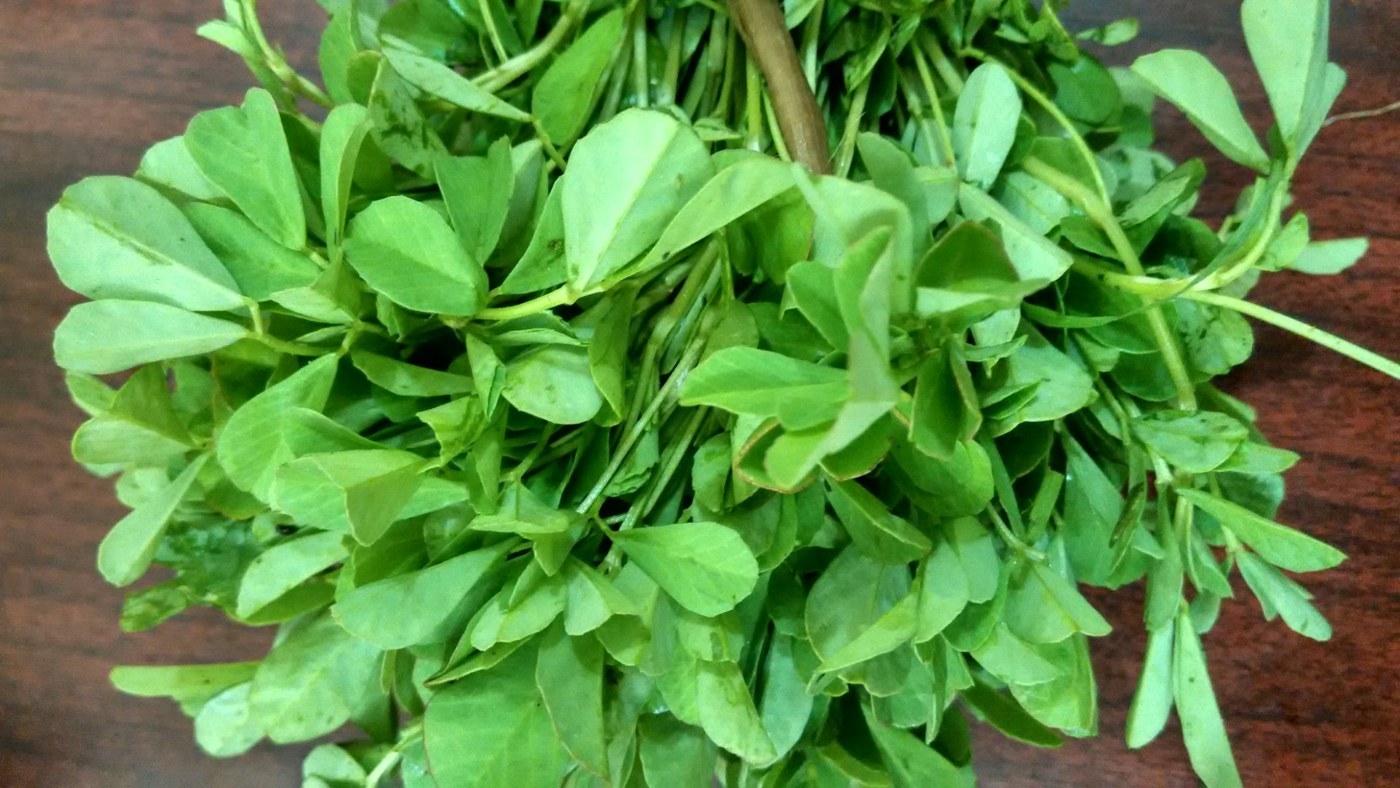
Fenugreek
Trigonella foenum-graecum
Fenugreek is a fast-growing legume herb grown in gardens, with clover-like leaves, small pale flowers and slender, sickle-shaped seed pods. It is easy to grow and enriches soil as a nitrogen-fixer.
- Light
- Full sun
- Water
- Moderate; keep evenly moist
- Difficulty
- Easy
Got a plant like this?
Identify any plant from a photo, free.
Overview
Fenugreek is an annual herb in the legume family (Fabaceae), grown for its clover-like leaves and its hard, golden-brown seeds. It is one of the oldest cultivated plants, with a history dating back to ancient Egypt.
It grows quickly to 30-60 cm, with clover-like leaves and small pale flowers that give way to long, slender, sickle-shaped seed pods. As a legume, it fixes nitrogen and is sometimes grown as a green manure or fodder crop (the name foenum-graecum means 'Greek hay').
How to identify it
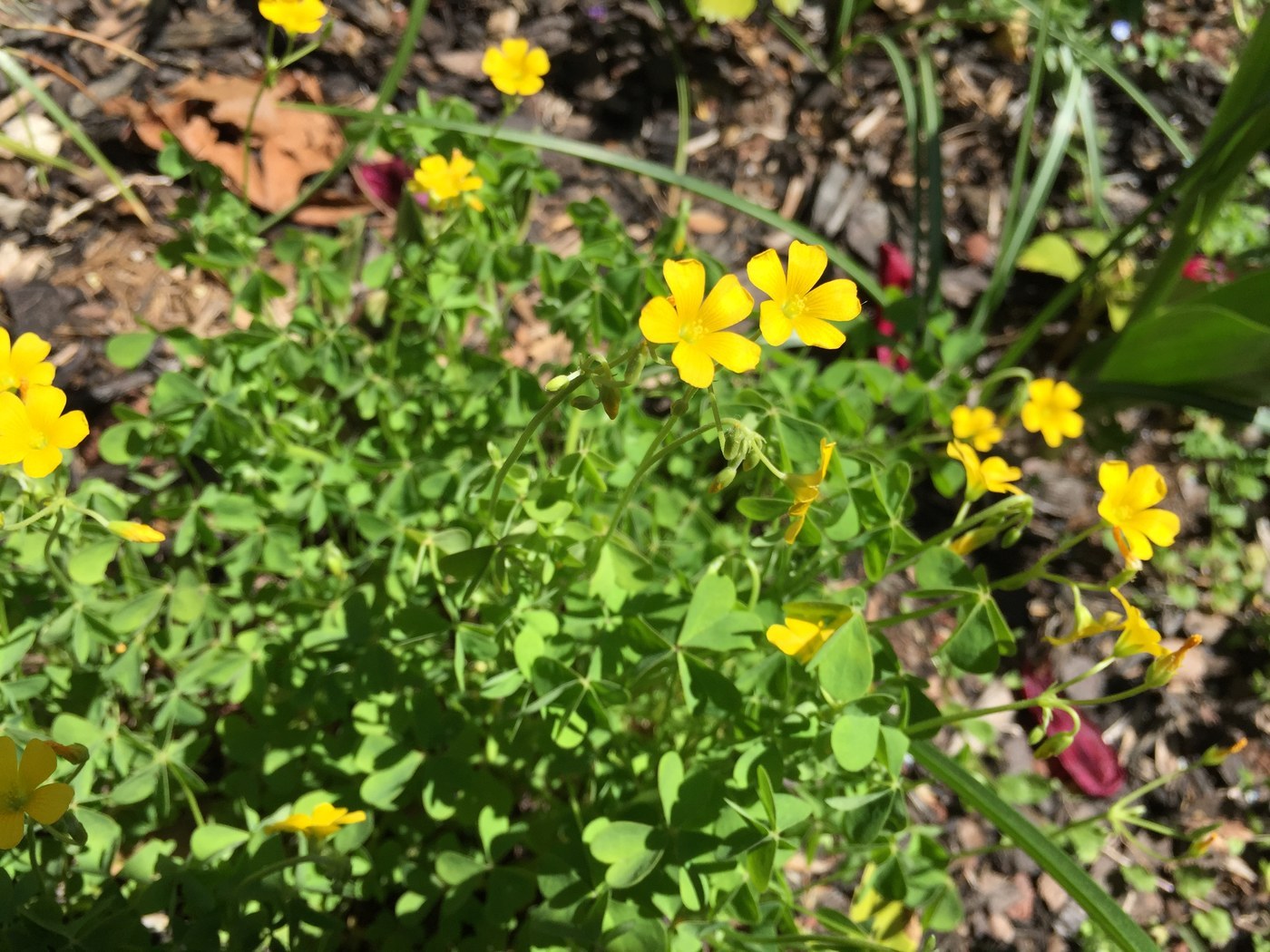
- Leaves: Three-part (trifoliate), clover-like, soft green leaflets with slightly toothed edges
- Flowers: Small, pea-like, white to pale yellow, borne in the leaf axils
- Pods: Long, slender, curved, beak-tipped pods, each holding 10-20 hard golden-brown seeds
- Seeds: Small, angular, golden-brown, aromatic
- Habit: Erect, fast-growing annual 30-60 cm tall
Care & growing
- Light: Full sun
- Water: Moderate; keep soil evenly moist during growth
- Soil: Well-drained, fertile loam; as a legume it tolerates moderately poor soil
- Temperature: Warm-season annual; frost-sensitive but quick to mature
- Feeding: Minimal nitrogen needed, since it fixes its own; phosphorus and potassium help
- Propagation: Direct-sow seed; leafy growth appears in 3-4 weeks and the plant matures in about 3-4 months. It transplants poorly, so sow in place
Habitat & origin
Fenugreek is native to the eastern Mediterranean, the Middle East and South Asia, and has been cultivated since antiquity for fodder and other uses. It grows well in warm, semi-arid conditions.
It is grown extensively in India (the largest producer), as well as the Middle East, North Africa and parts of Europe, both as a leaf and seed crop and as a soil-improving green manure.
Frequently asked questions
Is fenugreek easy to grow?
Yes. It germinates and grows quickly from direct-sown seed, needs full sun and moderate water, and even improves the soil by fixing nitrogen.
How can I recognize fenugreek?
Look for an erect annual 30-60 cm tall with soft, clover-like trifoliate leaves, small pale pea-like flowers, and long, slender, curved pods holding golden-brown seeds.
Where is fenugreek grown?
It is native to the eastern Mediterranean, the Middle East and South Asia, and is grown most extensively in India, as well as North Africa and parts of Europe.
Does fenugreek improve the soil?
Yes. As a legume it fixes nitrogen and is sometimes grown as a green manure or fodder crop, which is reflected in its name meaning 'Greek hay.'
Fenugreek guides
In-depth guides for identifying, growing, and caring for Fenugreek.
How to Care for Fenugreek
Grow lush fenugreek from seed in full sun with steady moisture and light feeding for fast, fragrant clover-like foliage.
Fenugreek Identification Guide
Identify fenugreek by its clover-like three-part leaves, pale yellowish-white pea flowers, long slender beaked seed pods, and the characteristic maple-curry aroma.