How to Care for Fiddle Leaf Fig
Keep a Fiddle Leaf Fig thriving with bright indirect light, consistent watering, and stable conditions for its signature glossy, violin-shaped leaves.
Read the full Fiddle Leaf Fig encyclopedia entry →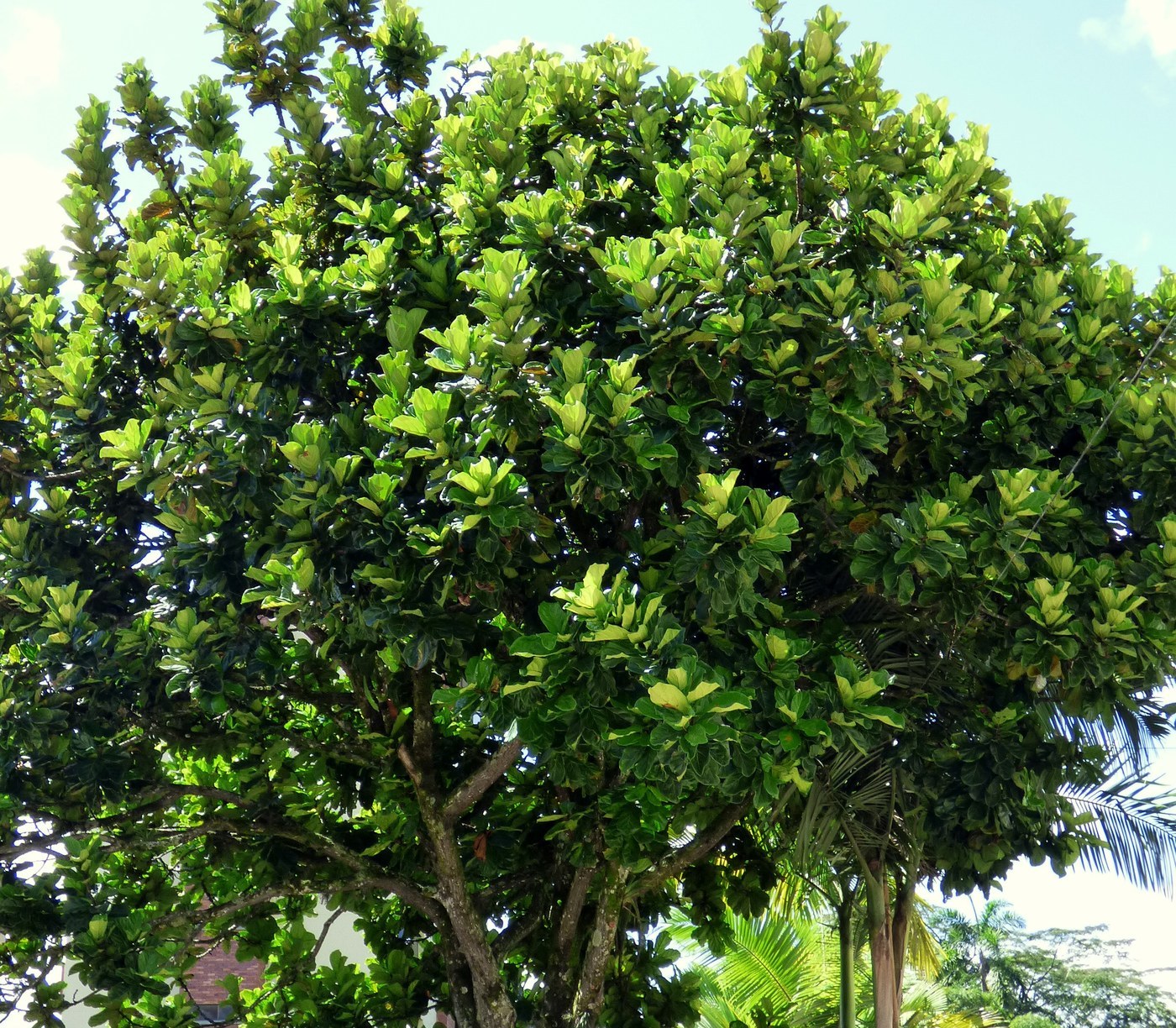
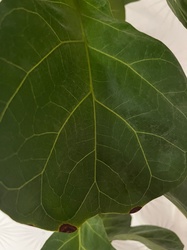
The Fiddle Leaf Fig (Ficus lyrata) is a striking indoor tree with large, glossy, violin-shaped leaves that make it a designer favorite. It has a reputation for being fussy, but most of its drama comes from a dislike of change, so once you find a good spot and rhythm it becomes far easier.
Light
Give it bright, indirect light for many hours a day, ideally near a large east- or south-facing window. It can tolerate a few hours of gentle direct morning sun once acclimated, but harsh midday sun scorches the leaves. Too little light causes leggy growth, small leaves, and dropped foliage. Rotate the plant a quarter turn every week or two so it grows evenly.
Water
Water thoroughly when the top 1 to 2 inches of soil feel dry, letting water run through the drainage holes, then empty the saucer. Fiddle leaf figs hate both extremes: soggy roots cause brown spots and drop, while prolonged drought causes crispy edges and wilting. Aim for consistent, even watering rather than a rigid schedule, checking the soil with your finger each time.
Soil & Potting
Use a rich, well-draining potting mix. A quality indoor mix amended with perlite and some bark or a peat-based mix improves drainage. Always use a pot with drainage holes; this plant will not tolerate standing water at the roots.
Humidity & Temperature
Moderate to high humidity of 40 to 60 percent suits it best, though it adapts to average home humidity. Keep temperatures between 60 and 75 F (16-24 C) and avoid cold drafts, sudden temperature swings, and placement near heating or cooling vents, all of which trigger leaf drop.
Feeding
Feed during spring and summer with a balanced or high-nitrogen liquid fertilizer, roughly monthly or per label directions, to support big leaves and steady growth. Reduce or stop feeding in fall and winter when growth naturally slows.
Propagation
Propagate from stem or leaf-bud cuttings. Take a cutting with a node and one or two leaves, and root it in water or moist potting mix, keeping it warm and humid. A single leaf without a node will root but never grow into a new plant, so always include a node.
Repotting / Pruning
Repot every one to two years in spring, moving up one pot size, or refresh the top few inches of soil for very large specimens. Prune the top to encourage branching and a fuller canopy, and wipe the large leaves regularly with a damp cloth to remove dust so they can photosynthesize efficiently.
Common Problems & Pests
Brown spots at the center or edges often signal overwatering or root issues, while pale, dry edges suggest underwatering or too much sun. Sudden leaf drop is usually a reaction to relocation, drafts, or temperature change. Watch for spider mites, scale, and mealybugs, and treat with insecticidal soap or by wiping leaves.
Seasonal Care Tips
Spring and summer are the active growing months for watering and feeding. In winter, water less as the soil stays moist longer, hold off on fertilizer, and keep the plant away from cold glass and drafty doorways. Resist moving it around; stability is what this tree loves most.
Frequently asked questions
Why is my Fiddle Leaf Fig dropping leaves?
Leaf drop is usually a stress response to change: a new location, cold drafts, temperature swings, or inconsistent watering. Keep conditions stable and steady.
What do brown spots on the leaves mean?
Dark spots near the center or base often indicate overwatering or root problems, while crispy brown edges point to underwatering or sunburn. Adjust watering and check drainage.
How do I get my Fiddle Leaf Fig to branch?
Prune or pinch the top growth. Removing the tip encourages the plant to push out side branches for a fuller, tree-like shape.
How often should I water it?
Water when the top 1 to 2 inches of soil are dry, then soak thoroughly and drain. Check with your finger rather than following a fixed calendar.
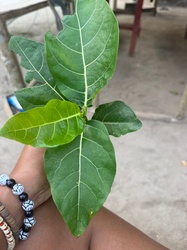
Fiddle Leaf Fig identified by the community
Recent Fiddle Leaf Fig specimens identified with Plant Identifier.