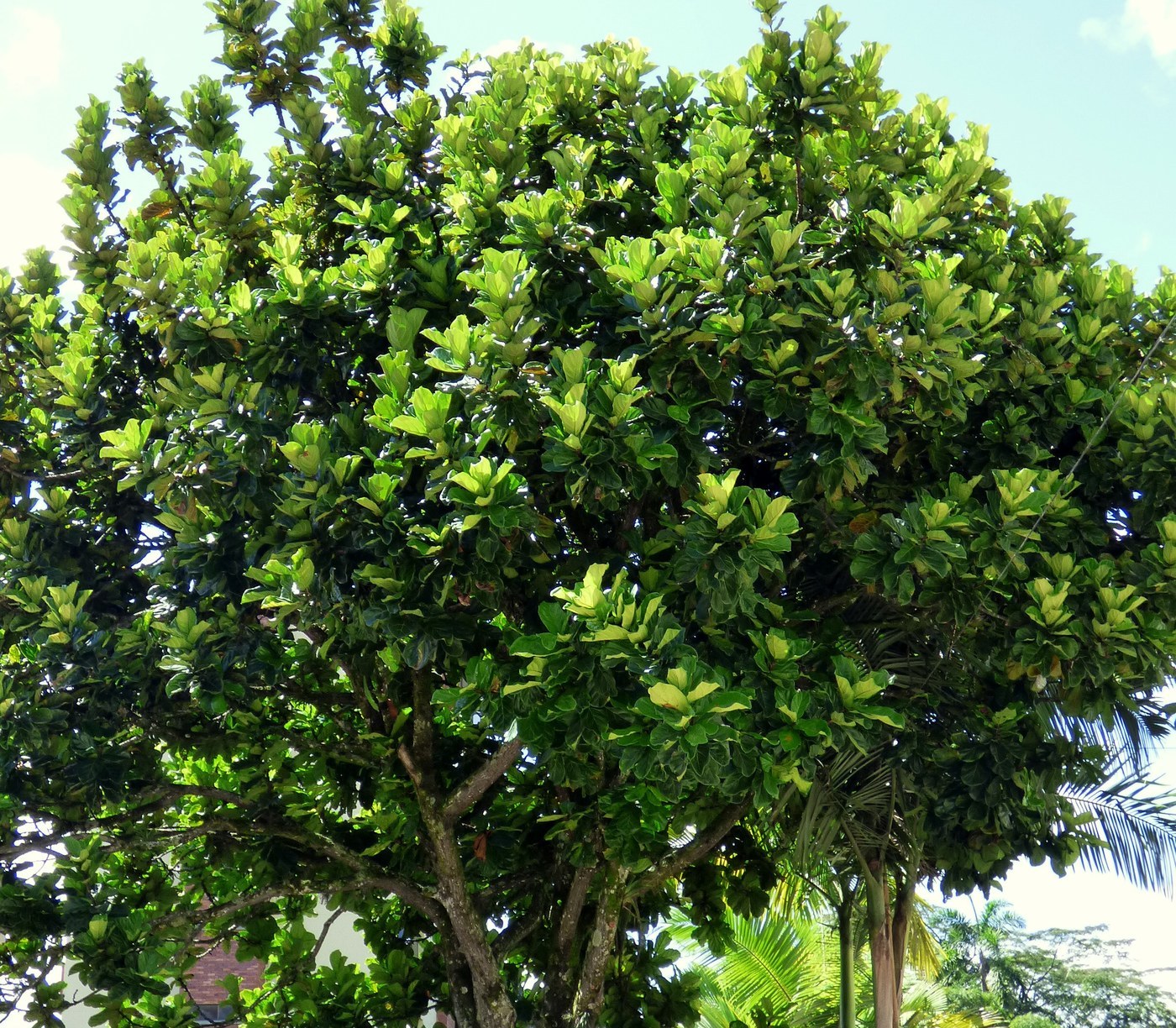
Fiddle Leaf Fig
Ficus lyrata
The fiddle leaf fig is a striking indoor tree with huge, violin-shaped glossy leaves. It is a designer favorite but can be fussy, demanding consistent bright light and stable conditions.
- Light
- Bright indirect light
- Water
- When top 1-2 inches dry
- Difficulty
- Moderate
Got a plant like this?
Identify any plant from a photo, free.
Overview
The fiddle leaf fig (Ficus lyrata) is a tropical tree in the fig family, native to the lowland rainforests of western Africa. Its common name comes from its large, lyre- or fiddle-shaped leaves.
Indoors it grows as a single tall trunk topped with bold, leathery foliage, becoming a dramatic statement plant that can reach the ceiling. It has been one of the most fashionable houseplants of the past decade.
Despite its popularity, it has a reputation for being temperamental — it dislikes being moved, drafts, and inconsistent watering, and will quickly drop leaves when stressed.
How to identify it
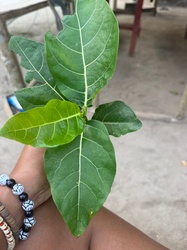
- Leaves: Very large (up to a foot or more), glossy, leathery, violin-shaped with prominent pale veins and wavy edges
- Habit: Upright tree form, typically a single woody trunk indoors
- Size: 6-10 feet indoors; up to 40-50 feet in the wild
- Sap: Produces a milky white latex when cut
- Growth: New leaves emerge from a sheath at the growing tip
Care & growing
Light: Needs lots of bright, indirect light and tolerates some gentle direct sun. Inadequate light causes leaf drop and weak growth.
Water: Water when the top 1-2 inches of soil dry out, keeping moisture even but never soggy. Sensitive to both over- and underwatering.
Soil: Rich, well-draining potting mix.
Temperature: Prefers a stable 65-75°F (18-24°C); avoid cold drafts and heat vents.
Feeding: Balanced fertilizer monthly during the growing season.
Propagation: From stem or leaf-bud cuttings rooted in water or soil. Dust leaves regularly and avoid moving the plant once it is settled.
Habitat & origin
Ficus lyrata is native to the tropical rainforests of western Africa, from Cameroon west to Sierra Leone, where it grows as a large tree, sometimes beginning life as an epiphyte that strangles its host.
It thrives outdoors in warm, frost-free climates (USDA zones 10-12) and is grown indoors worldwide as a popular ornamental tree.
Frequently asked questions
Why is my fiddle leaf fig dropping leaves?
Leaf drop is usually caused by stress — sudden moves, drafts, inconsistent watering, or low light. Keep its environment stable.
How much light does it need?
A lot. Place it near a bright window with plenty of indirect light; too little light is the most common cause of decline.
How often should I water it?
When the top 1-2 inches of soil are dry, watering thoroughly and letting it drain. Avoid both soggy soil and complete drought.
Why does it have brown spots on the leaves?
Dark brown spots often indicate root rot from overwatering, while dry tan edges suggest underwatering or low humidity.
Fiddle Leaf Fig guides
In-depth guides for identifying, growing, and caring for Fiddle Leaf Fig.
How to Care for Fiddle Leaf Fig
Keep a Fiddle Leaf Fig thriving with bright indirect light, consistent watering, and stable conditions for its signature glossy, violin-shaped leaves.
Fiddle Leaf Fig Identification Guide
Identify the fiddle-leaf fig (Ficus lyrata) by its huge, violin-shaped, heavily veined leaves and upright tree form, and tell it apart from other large-leaved Ficus.
Fiddle Leaf Fig identified by the community
Real specimens identified with Plant Identifier.