
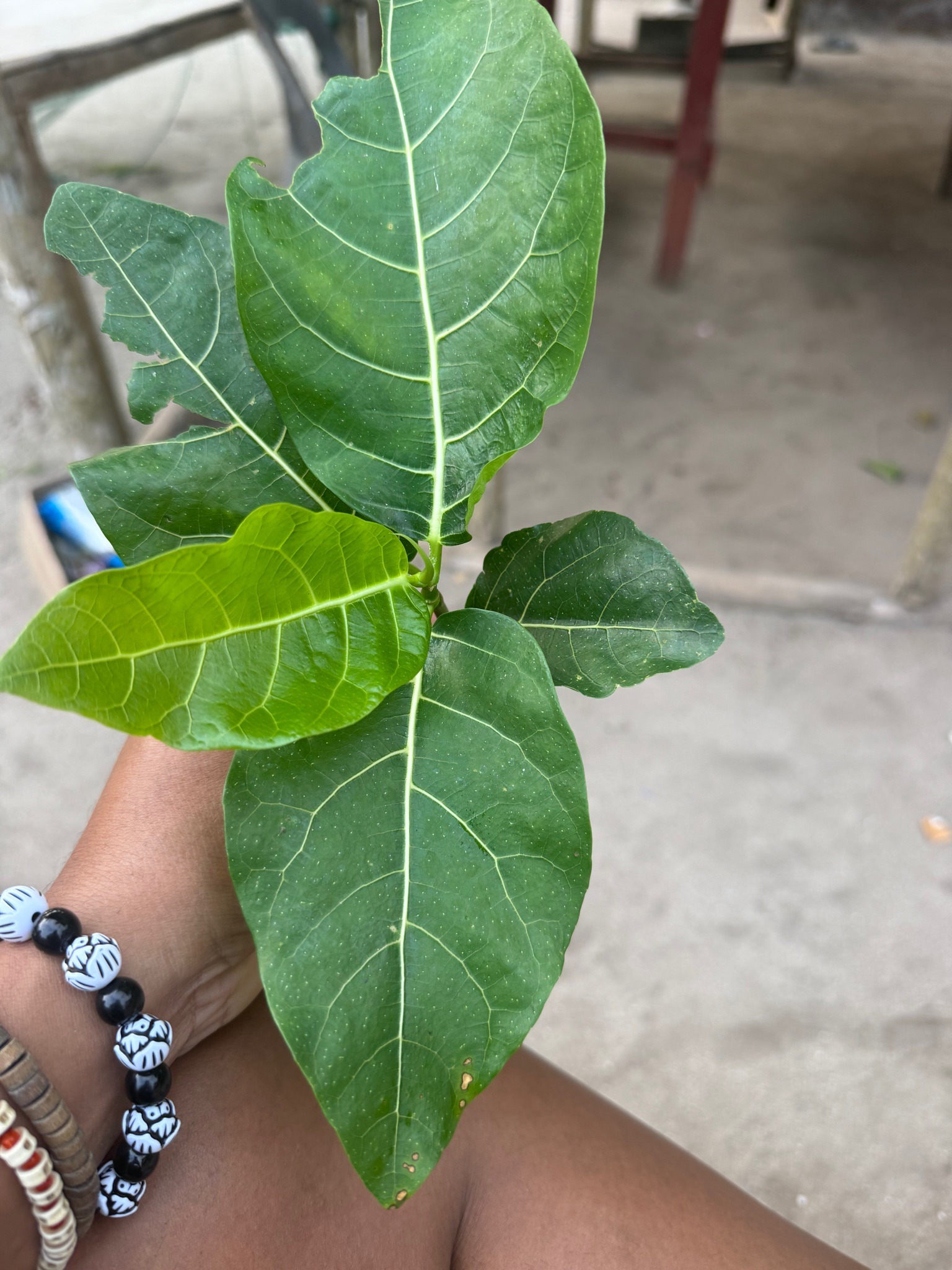
Fiddle-leaf fig
Ficus lyrata
An evergreen tree featuring very large, heavily veined, violin-shaped (lyrate) dark green leaves with slightly wavy margins and leathery texture.
- Light
- Bright, indirect light with at least 6 hours per day; protect from harsh direct sun which can scorch the leaves.
- Water
- Water deeply when the top 2 to 3 inches of soil are dry. Avoid waterlogging to prevent root rot, and reduce watering frequency during the winter months.
- Growth
- Perennial evergreen tree featuring an upright, single or multi-stemmed growth form. Reaches mature indoor heights of 6 to 10 feet and outdoor heights up to 40 to 50 feet with a moderate growth rate.
Care instructions
Provide bright, indirect sunlight with 6 to 8 hours daily. Water thoroughly when the top two inches of soil become dry, allowing excess to drain completely. Use a well-draining, nutrient-rich potting mix and apply a balanced liquid fertilizer monthly during the active growing season.
Growing details
Sunlight
Bright, indirect light with at least 6 hours per day; protect from harsh direct sun which can scorch the leaves.
Watering
Water deeply when the top 2 to 3 inches of soil are dry. Avoid waterlogging to prevent root rot, and reduce watering frequency during the winter months.
Soil
Well-draining, fertile, loamy potting mix with a slightly acidic to neutral pH range between 6.0 and 7.0.
Hardiness zone
USDA zones 10 to 11; grown primarily as a houseplant in cooler temperate regions.
Growth habit
Perennial evergreen tree featuring an upright, single or multi-stemmed growth form. Reaches mature indoor heights of 6 to 10 feet and outdoor heights up to 40 to 50 feet with a moderate growth rate.
Bloom season
Non-flowering indoors; mature trees in their native habitat produce small, inconspicuous figs enclosed in a receptacle.
Propagation
Propagated via stem cuttings or air layering during the spring or early summer months.
Common pests & issues
Prone to root rot from overwatering, leaf drop due to sudden environmental changes or drafts, and spider mites or scale insects. Prevent by maintaining consistent watering routines and stable humidity.
Similar species
Ficus benghalensis (Banyan tree) and Ficus elastica (Rubber tree); distinguished by Ficus lyrata's distinct violin-shaped, deeply lobed leaf silhouette.