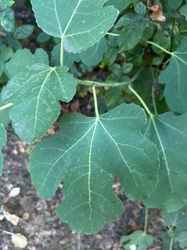
How to Care for Fig
Grow Fig (Ficus carica), a sun-loving deciduous tree with bold lobed leaves, easy to grow in the ground or a large container.
Read the full Fig encyclopedia entry →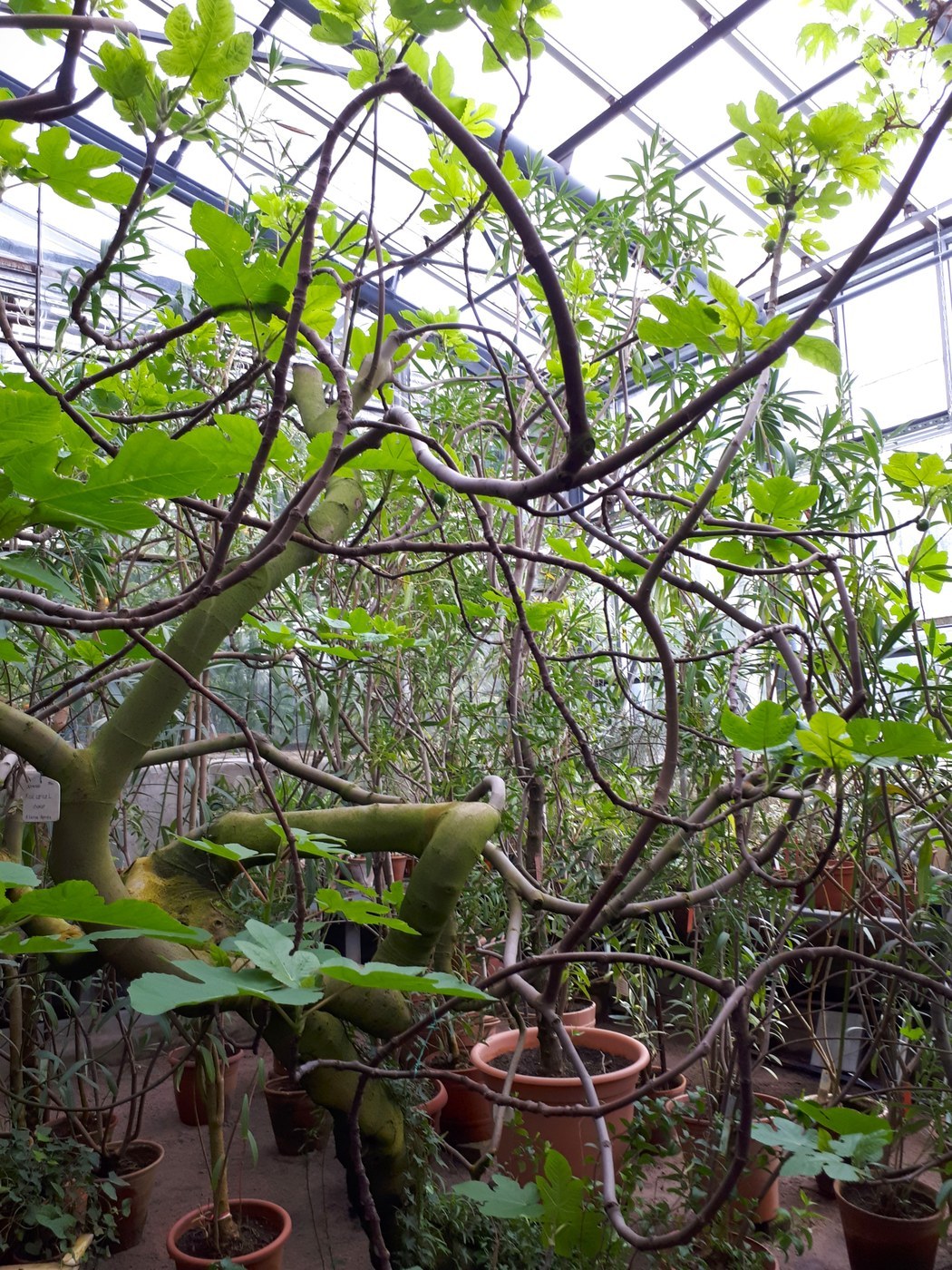
Fig (Ficus carica) is a handsome, sun-loving deciduous tree or large shrub grown for its bold, deeply lobed leaves and its sculptural, spreading form. Easy and undemanding once established, it thrives in warm sites and adapts readily to large containers, making it a rewarding ornamental for patios and sunny borders alike.
Light
Give Fig full sun, the more the better. It needs a warm, sheltered, sun-drenched position to grow strongly and develop its characteristic lush foliage. A south- or west-facing wall that radiates stored heat is ideal, especially in cooler regions. In too much shade the plant grows sparse and weak.
Water
Water with a deep weekly soak, letting the soil dry somewhat between waterings. Figs have wide-ranging roots and prefer a thorough drench that penetrates deeply over frequent shallow sprinkles. Container plants dry out faster and need closer attention in summer heat. Established in-ground trees are quite drought-tolerant but grow best with steady moisture; avoid constant sogginess, which harms the roots.
Soil & Potting
Fig tolerates a range of soils but does best in well-draining, moderately fertile ground; it even performs well in slightly poor or restricted soil, which can encourage a more compact plant. In containers, use a loam-based potting mix and a pot with ample drainage; figs actually respond well to having their roots somewhat confined. Mulch the root zone to conserve moisture and moderate temperature.
Humidity & Temperature
Fig loves warmth and needs a sunny, sheltered spot to prosper. It is deciduous and tolerates winter cold with a dormant rest, though young plants and container specimens benefit from protection in hard freezes. In cold climates, move potted figs to a sheltered, frost-free place for winter, or wrap and mulch in-ground plants to guard against severe cold.
Feeding
Feed moderately. A balanced fertilizer or a potassium-rich feed applied through spring and summer supports healthy growth, with container plants needing more regular feeding than those in the ground. Avoid excessive nitrogen, which drives soft, leafy growth at the expense of a well-structured plant. Ease off feeding in late summer so growth hardens before winter.
Propagation
Fig is very easily propagated from hardwood cuttings taken during dormancy in late winter. Insert sections of dormant stem into free-draining soil or pots and keep them protected; many root readily by spring. Softwood cuttings in summer and layering of low branches also succeed. This ease of propagation makes figs simple to increase and share.
Repotting / Pruning
Repot container figs every couple of years in early spring, or refresh the top layer of compost in larger pots, keeping the roots slightly restricted. Prune while dormant in winter to shape the plant, remove crossing or damaged wood, and keep it open and manageable; a lighter tidy-up can follow in summer. Figs tolerate hard pruning well and respond with vigorous new growth.
Common Problems & Pests
Figs are generally trouble-free. The most common issue is winter cold damage to unprotected young growth, so shelter tender plants. Overwatering or poor drainage can cause root problems and leaf yellowing. Container plants may show stress and leaf drop if allowed to dry out repeatedly. Watch for scale insects and, under glass, spider mites and mealybugs; treat as needed and maintain good airflow.
Seasonal Care Tips
In spring, repot or topdress containers, begin feeding, and let new growth emerge in a warm spot. Through summer, water deeply and regularly and feed potted plants. In autumn, taper watering and feeding as the tree prepares for dormancy. In winter, protect vulnerable plants from hard frost, take hardwood cuttings, and carry out structural pruning while the tree is leafless.
Frequently asked questions
How much sun does a Fig tree need?
As much as possible. Figs need full sun and a warm, sheltered spot to thrive. A south- or west-facing wall that stores and radiates heat is ideal, particularly in cooler climates.
How often should I water a Fig?
Give a deep weekly soak and let the soil dry somewhat between waterings. Container figs dry out faster and need more frequent attention in summer, while established in-ground trees are fairly drought-tolerant.
Can I grow a Fig in a pot?
Yes, figs grow very well in large containers and actually respond well to having their roots somewhat confined. Use a loam-based mix with good drainage, feed and water regularly in summer, and protect the pot from hard frost in winter.
How do I propagate a Fig tree?
Most easily from hardwood cuttings taken during winter dormancy. Insert dormant stem sections into free-draining soil and keep them sheltered; many root by spring. Summer softwood cuttings and layering also work.
Fig identified by the community
Recent Fig specimens identified with Plant Identifier.