
How to Care for Fireweed
Growing guide for fireweed (Chamerion angustifolium): a vigorous native perennial with tall magenta flower spikes for sunny, informal gardens.
Read the full Fireweed encyclopedia entry →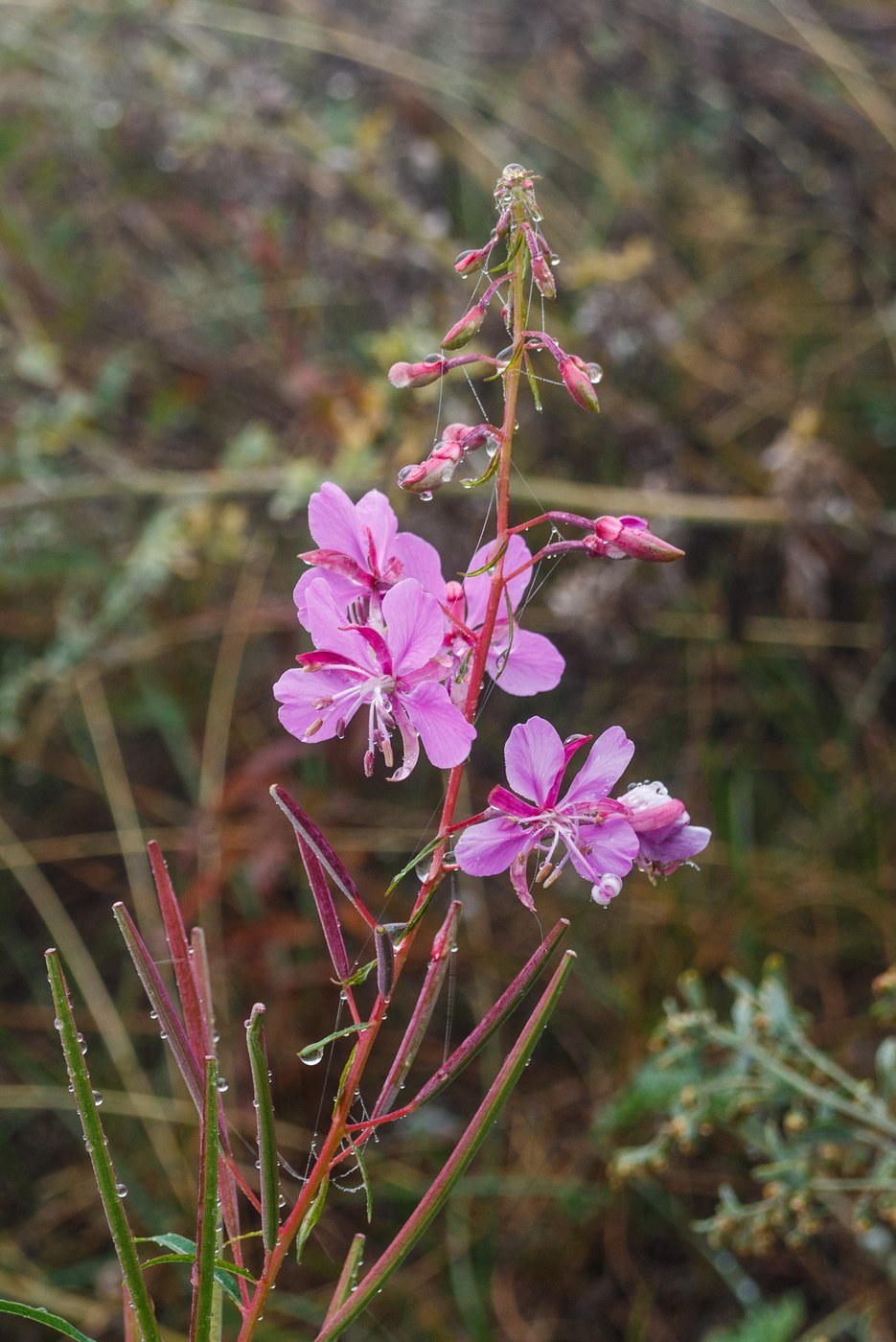
Fireweed (Chamerion angustifolium) is a vigorous, spreading perennial famous for its tall spires of magenta-pink flowers that bloom from the bottom up in summer. It is an easy, fast-growing native, ideal for naturalistic plantings and wildlife-friendly gardens.
Light
Fireweed performs best in full sun to part shade. It colonizes open, sunny ground in the wild and flowers most heavily with plenty of light, but it tolerates dappled or partial shade in warmer areas. More sun means more blooms and sturdier, self-supporting stems.
Water
Keep the soil evenly moist for the best growth, giving moderate, regular watering during dry spells. Fireweed favors consistent moisture, especially while establishing and flowering, though established plants tolerate brief dry periods. It grows lush in cool, damp conditions and can flag in prolonged drought.
Soil & Potting
Undemanding about soil, fireweed thrives in a wide range from sandy to loamy ground, provided it drains reasonably well. It actually excels in disturbed, low-fertility soils and does not need rich conditions. Overly fertile soil encourages floppy stems and even more aggressive spreading, so lean soil keeps it more restrained.
Humidity & Temperature
A hardy plant of northern and temperate regions, fireweed is very cold-tolerant and thrives in cool summers. It handles ordinary humidity without issue. It is well adapted to short growing seasons and rebounds quickly after disturbance, which is why it is often first to appear on cleared or burned ground.
Feeding
Fireweed needs little or no feeding and generally grows too enthusiastically on its own. Skip fertilizer in most gardens; if soil is extremely poor, a light spring compost topdressing is plenty. Avoid rich feeding, which promotes lax growth and even faster colonization by its running roots.
Propagation
Fireweed spreads readily by creeping rhizomes and by abundant wind-borne, silky seeds. Divide the rhizomes in spring or fall to start new plants, or sow the fine seed on the soil surface where it germinates easily. Be aware that both methods can lead to rapid spread, so site it where you can manage it.
Repotting / Pruning
Deadhead or cut back the flowering spikes before the fluffy seed pods burst if you want to limit self-sowing, since it seeds prolifically. Cut stems to the ground after flowering or in late fall for a tidy look. To control spread, install a root barrier or grow it in a contained bed, and dig out wandering rhizomes each season.
Common Problems & Pests
Fireweed is robust and largely pest-free. Its main drawback is aggressiveness: it can spread quickly by root and seed and crowd out neighbors. Occasional aphids, rust, or powdery mildew may appear but rarely cause serious harm. Managing its spread is the primary maintenance concern rather than any disease.
Seasonal Care Tips
Spring: new shoots emerge fast; divide if propagating and thin unwanted rhizomes. Early-to-mid summer: tall magenta spikes bloom from the base upward. Late summer: deadhead before seed dispersal to control spreading. Fall: silky seed heads form; cut back stems and remove stray rhizomes to keep the colony in bounds.
Frequently asked questions
Is fireweed invasive in the garden?
It is vigorous and spreads aggressively by creeping rhizomes and wind-blown seed. Grow it in a contained bed or with a root barrier, and deadhead before the seed pods burst to keep it in check.
Why isn't my fireweed flowering well?
Too much shade or overly rich soil are the usual causes. Give it full sun and lean, unfertilized soil for the most flower spikes and sturdier, self-supporting stems.
How do I propagate fireweed?
Divide its rhizomes in spring or fall, or surface-sow the fine seed. Both spread readily, so propagate only where you can manage the resulting growth.
Does fireweed need fertilizer?
No. It thrives in poor, disturbed soil and grows too enthusiastically to need feeding. Rich soil only makes it floppier and more aggressive, so skip fertilizer in most gardens.