
How to Care for Fishbone Cactus
Grow the trailing Fishbone Cactus (Disocactus anguliger) for its zigzag, ric-rac stems and fragrant, short-lived night blooms.
Read the full Fishbone Cactus encyclopedia entry →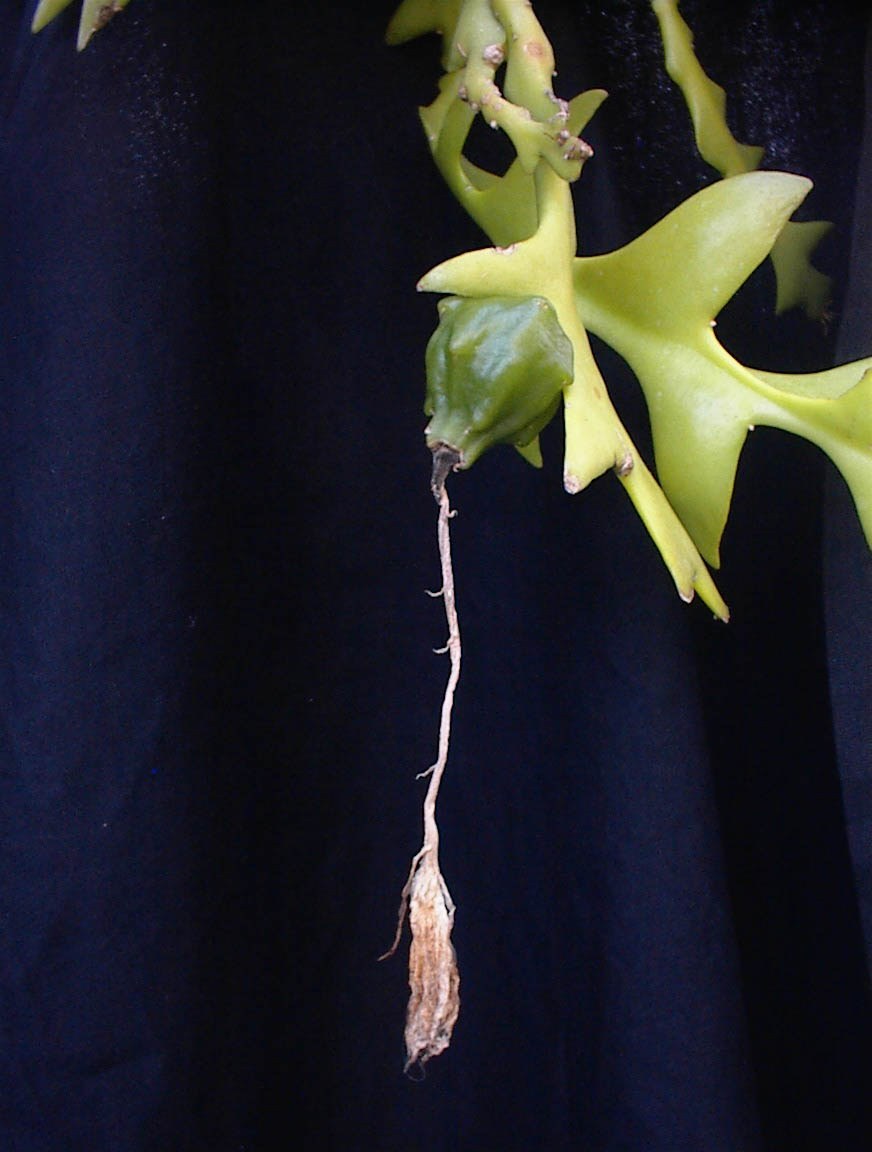
The Fishbone Cactus (Disocactus anguliger), also called the ric-rac or zigzag cactus, is a jungle-dwelling epiphytic cactus with dramatic flattened, deeply toothed trailing stems. Unlike desert cacti, it grows in trees in its native habitat, so it wants more moisture and shade than a typical succulent.
Light
Provide bright indirect light. As an epiphyte from forest canopies, it thrives in filtered light near an east or north window, or set back from a bright window. Avoid harsh direct sun, which bleaches and scorches the stems, though a little gentle morning sun is fine.
Water
Water when the top inch of soil dries out, keeping it more consistently moist than a desert cactus but never soggy. Let excess water drain freely. Reduce watering in winter, allowing the mix to dry a bit more between drinks during the plant's rest.
Soil & Potting
Use a chunky, airy mix that drains fast, such as a blend of potting soil, orchid bark, perlite, and coco coir. This mimics the loose, organic material it roots into on tree branches. A hanging pot with drainage holes shows off its trailing habit beautifully.
Humidity & Temperature
Being a jungle cactus, it enjoys higher humidity than desert types, ideally 50 percent or more. Keep temperatures between roughly 60 and 80 degrees Fahrenheit and protect it from cold drafts and temperatures below 50 degrees.
Feeding
Feed with a diluted balanced or cactus fertilizer every few weeks during spring and summer. A phosphorus-rich bloom fertilizer in late summer and early fall can encourage flowering. Stop feeding in winter.
Propagation
Propagate very easily from stem cuttings. Snip a healthy segment, let the cut end callus for a day or two, then place it in a well-draining mix. Roots form readily, and cuttings establish quickly in warm, bright conditions.
Repotting / Pruning
Repot every couple of years or when it outgrows its pot, ideally in spring. It flowers best when slightly root-bound, so do not rush to a much larger pot. Trim stems to control length or shape, and use the trimmings as cuttings.
Common Problems & Pests
Mealybugs, scale, and fungus gnats are the usual pests; treat with insecticidal soap and let the soil dry to discourage gnats. Mushy, yellowing stems point to overwatering or poor drainage, while wrinkled, limp stems mean it is too dry. A cool, slightly dry winter rest helps trigger the famous fragrant night blooms.
Seasonal Care Tips
In spring and summer, water regularly, feed, and enjoy active growth. In late summer, a bloom-boosting feed encourages flowering. In fall and winter, give it a cooler, drier rest with reduced watering to promote next season's flowers.
Frequently asked questions
How is Fishbone Cactus different from a desert cactus?
It is an epiphytic jungle cactus that grows on trees, so it wants bright indirect light, more consistent moisture, and higher humidity than a typical desert cactus.
How do I get my Fishbone Cactus to bloom?
Give it bright indirect light, a bloom-boosting feed in late summer, keep it slightly root-bound, and provide a cooler, drier winter rest. The flowers open at night and last only briefly.
Why are the stems turning yellow and mushy?
This is usually overwatering or poor drainage. Use an airy, fast-draining mix, let the top inch dry before watering, and make sure the pot drains freely.
Can I propagate Fishbone Cactus from a cutting?
Yes, very easily. Cut a healthy stem segment, let it callus for a day or two, then root it in a well-draining mix in a warm, bright spot.