
How to Care for Fittonia
Grow lush nerve plant indoors with steady moisture, warm humid air, and bright indirect light for vivid veined foliage.
Read the full Fittonia encyclopedia entry →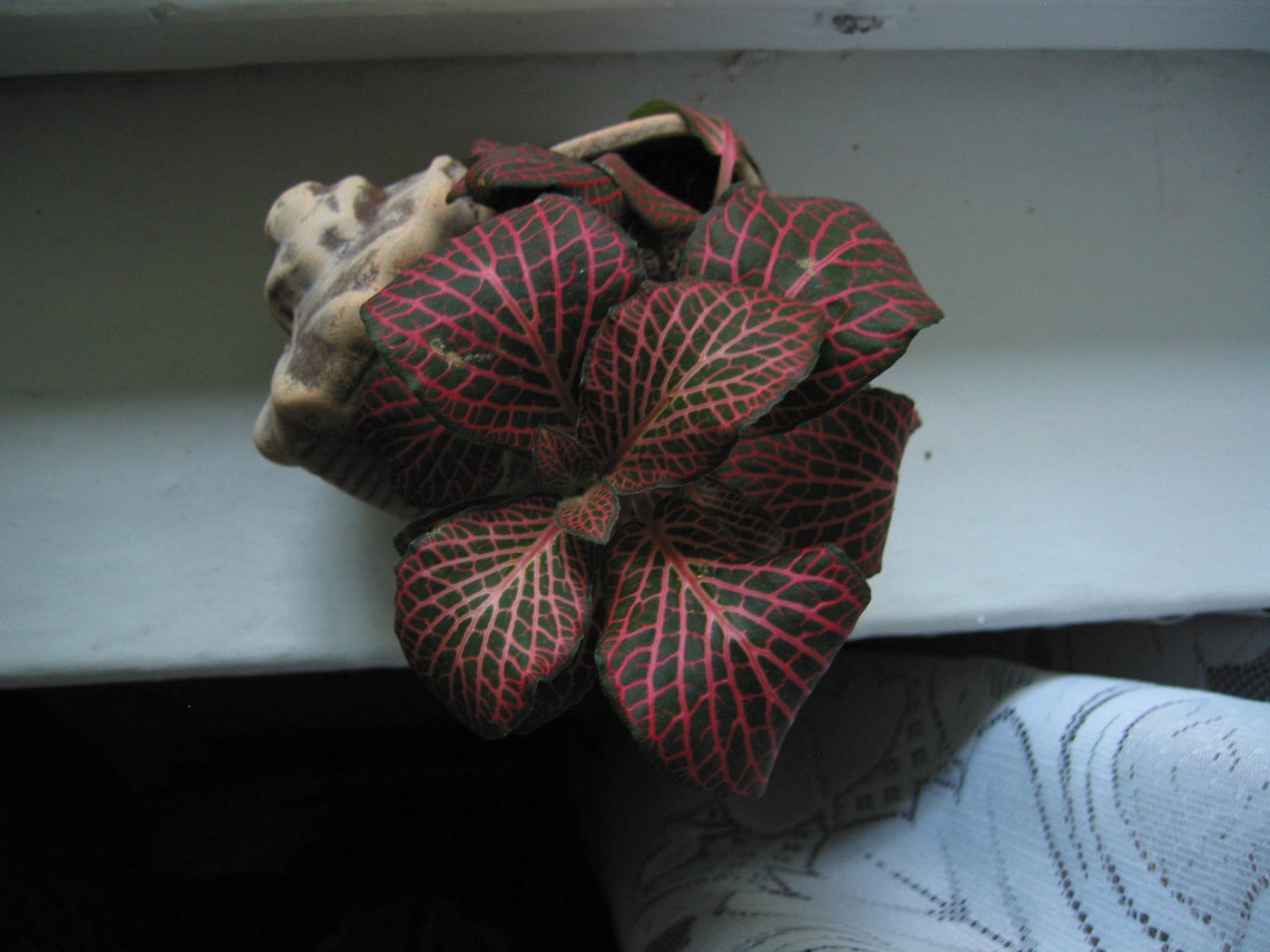
Fittonia (Fittonia albivenis), often called the nerve plant or mosaic plant, is a low-growing tropical foliage plant prized for its striking network of white, pink, or red veins over deep green leaves. It rewards attentive, consistent care and is a natural fit for terrariums and grouped humidity setups.
Light
Give Fittonia bright, indirect light. An east-facing window or a spot set back from a brighter south or west window is ideal. Direct midday sun scorches the thin leaves and bleaches the vein color, while deep shade causes leggy, sparse growth and muted markings. It adapts well to bright fluorescent or LED grow lights, making it a good office or terrarium plant.
Water
Keep the soil consistently moist but never waterlogged. Fittonia is famously dramatic when thirsty, collapsing into a limp faint that usually recovers within an hour or two of watering, though repeated fainting stresses the plant. Water when the top of the soil just begins to feel less wet, using room-temperature water, and empty any saucer so roots never sit in standing water. Reduce frequency slightly in winter but never let the rootball dry out completely.
Soil & Potting
Use a light, moisture-retentive but well-aerated mix. A blend of peat or coco coir with perlite and a little fine bark holds the even moisture Fittonia craves while preventing sogginess. Choose a small pot with drainage holes; because the roots are shallow and fine, a snug container helps keep moisture balanced. Shallow or wide pots suit its spreading, trailing habit.
Humidity & Temperature
High humidity is the single biggest factor in success. Aim for 50 percent or more; 60 to 90 percent is ideal, which is why Fittonia thrives in closed terrariums, bathrooms, and kitchens. In dry rooms, group plants together, use a pebble tray, or run a humidifier. Keep temperatures warm and stable, roughly 65 to 80 F, and protect the plant from cold drafts, heating vents, and sudden temperature swings.
Feeding
Feed lightly during the active growing season from spring through early autumn. A balanced liquid houseplant fertilizer diluted to half strength every three to four weeks is plenty. Fittonia is sensitive to salt buildup, so flush the soil occasionally with plain water and skip feeding in winter when growth slows.
Propagation
Fittonia is easy to propagate from stem-tip cuttings. Take a cutting with two or three leaf nodes, remove the lowest leaves, and root it in moist mix or water. Warmth and high humidity, such as a covered tray or propagation box, speed rooting, which typically takes two to three weeks. You can also divide a mature, crowded plant at repotting.
Repotting / Pruning
Repot every one to two years in spring, or when roots fill the pot, moving up just one pot size. Pinch or trim the growing tips regularly to encourage dense, bushy growth and prevent legginess; the plant responds well to frequent light pruning. Remove any faded or crisping leaves to keep it looking full.
Common Problems & Pests
Wilting and collapse usually signal underwatering, while yellowing lower leaves and mushy stems point to overwatering. Brown, crispy leaf edges indicate low humidity or dry soil. Leaf drop and pale color suggest too little light or cold exposure. Watch for spider mites, mealybugs, aphids, and fungus gnats, especially in dry or overwatered conditions; treat with insecticidal soap and correct the underlying moisture or humidity issue.
Seasonal Care Tips
In spring and summer, keep humidity and moisture high and resume regular feeding as growth accelerates. In autumn, taper fertilizer. In winter, reduce watering slightly, keep the plant away from cold windows and heaters, and boost humidity to counter dry indoor heating. Fittonia grows year-round in warm rooms and does not need a rest period.
Frequently asked questions
Why does my Fittonia keep wilting and then recovering?
Fittonia dramatically collapses when its soil dries out and typically perks back up within an hour or two of watering. Occasional fainting is survivable, but repeated wilting stresses the plant, so aim to keep the soil consistently moist and raise humidity to reduce these episodes.
Does Fittonia need high humidity?
Yes. It is a tropical plant that thrives at 50 percent humidity or higher and does exceptionally well in terrariums, bathrooms, and near humidifiers. Dry air causes crispy leaf edges, so use a pebble tray, group plants, or a humidifier in dry rooms.
How much light does a nerve plant need?
Bright, indirect light is best. Protect it from direct sun, which scorches leaves and fades the vein color, but avoid deep shade, which makes growth leggy and washes out the markings. It also grows well under fluorescent or LED lighting.
How do I keep my Fittonia bushy instead of leggy?
Pinch or trim the growing tips regularly and keep it in bright indirect light. Frequent light pruning encourages branching and dense foliage, and the trimmings root easily to fill out the pot or start new plants.