Fittonia
Fittonia albivenis
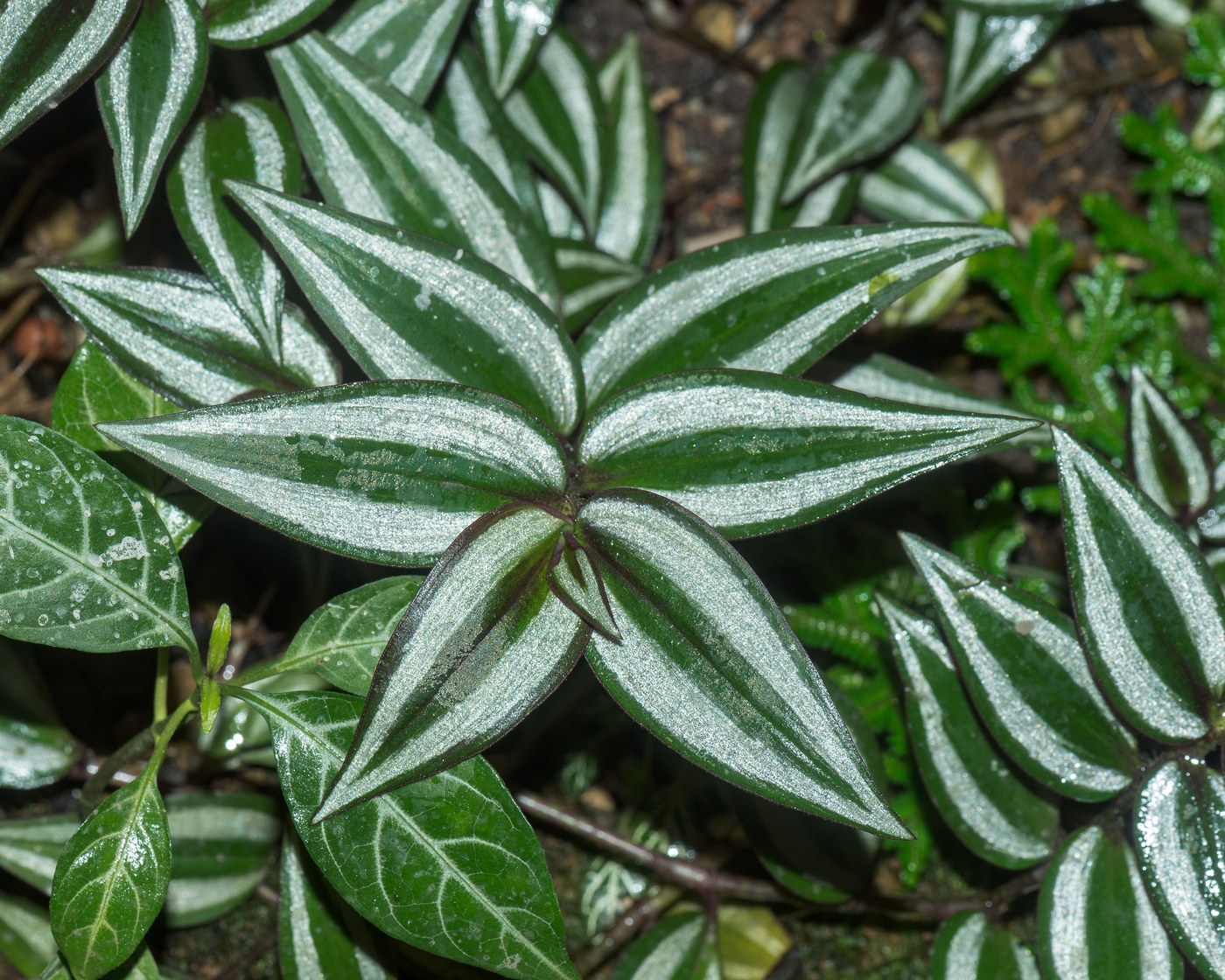
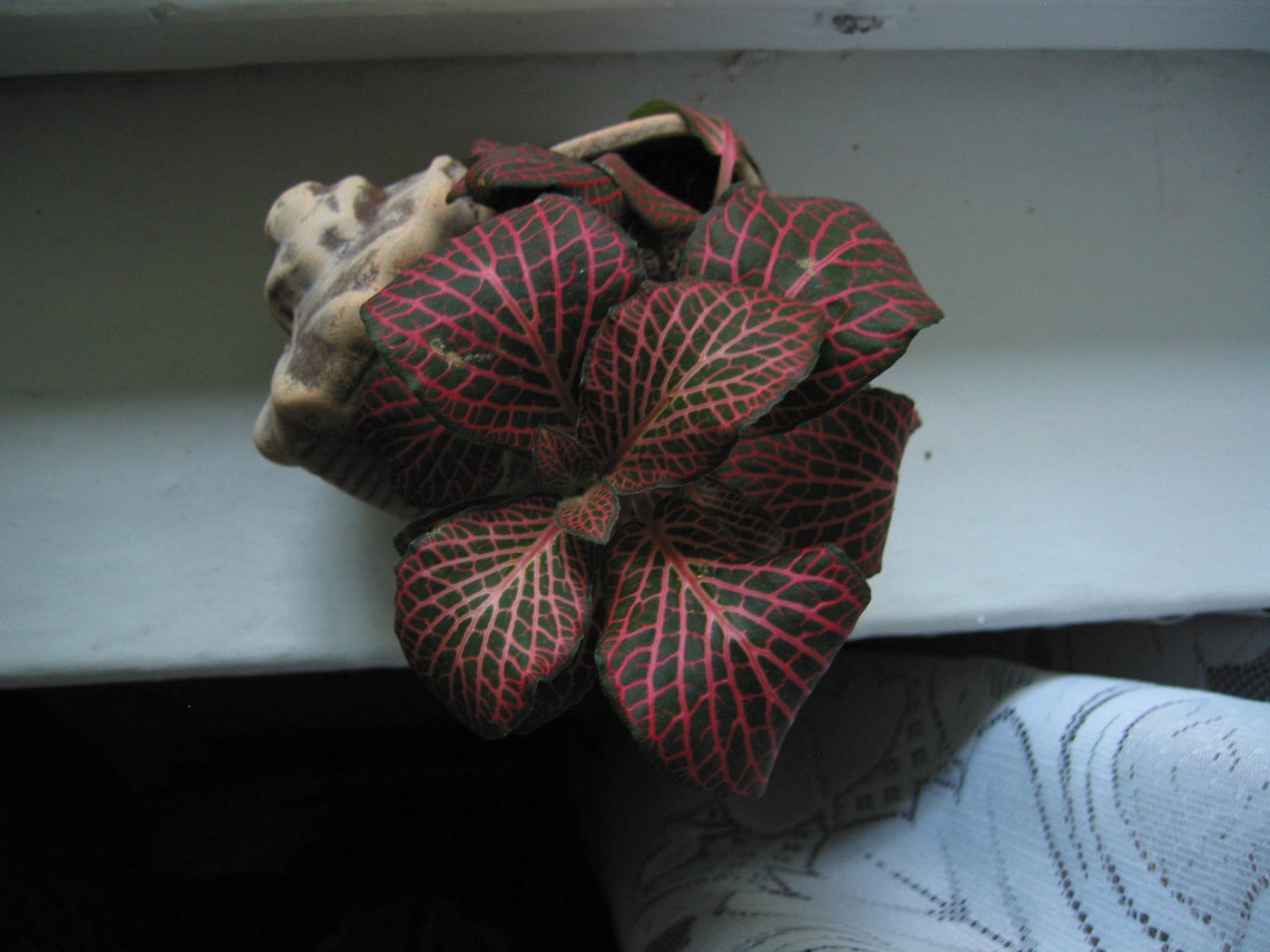
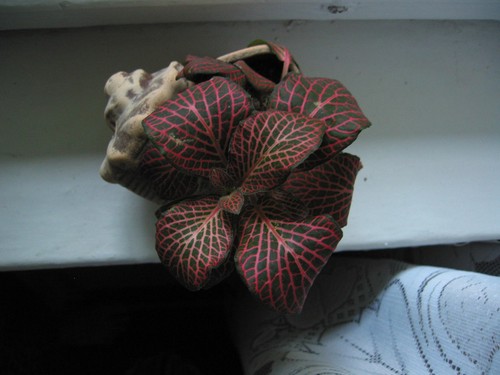
Fittonia, or nerve plant, is a low-growing tropical houseplant prized for its small leaves laced with striking white, pink, or red vein patterns that resemble a delicate mosaic.
- Light
- Bright indirect light
- Water
- Keep consistently moist
- Difficulty
- Moderate
Got a plant like this?
Identify any plant from a photo, free.
Overview
Fittonia, commonly called nerve plant, is a compact, spreading foliage plant grown for its intricately veined leaves. The contrasting network of white, pink, or red veins against deep green gives it a hand-painted look.
Native to the rainforests of South America, Fittonia albivenis loves warmth and humidity. It is famously dramatic about dry soil, wilting suddenly but usually reviving quickly once watered, earning it a reputation as a fussy but rewarding plant.
How to identify it
Identify Fittonia by:
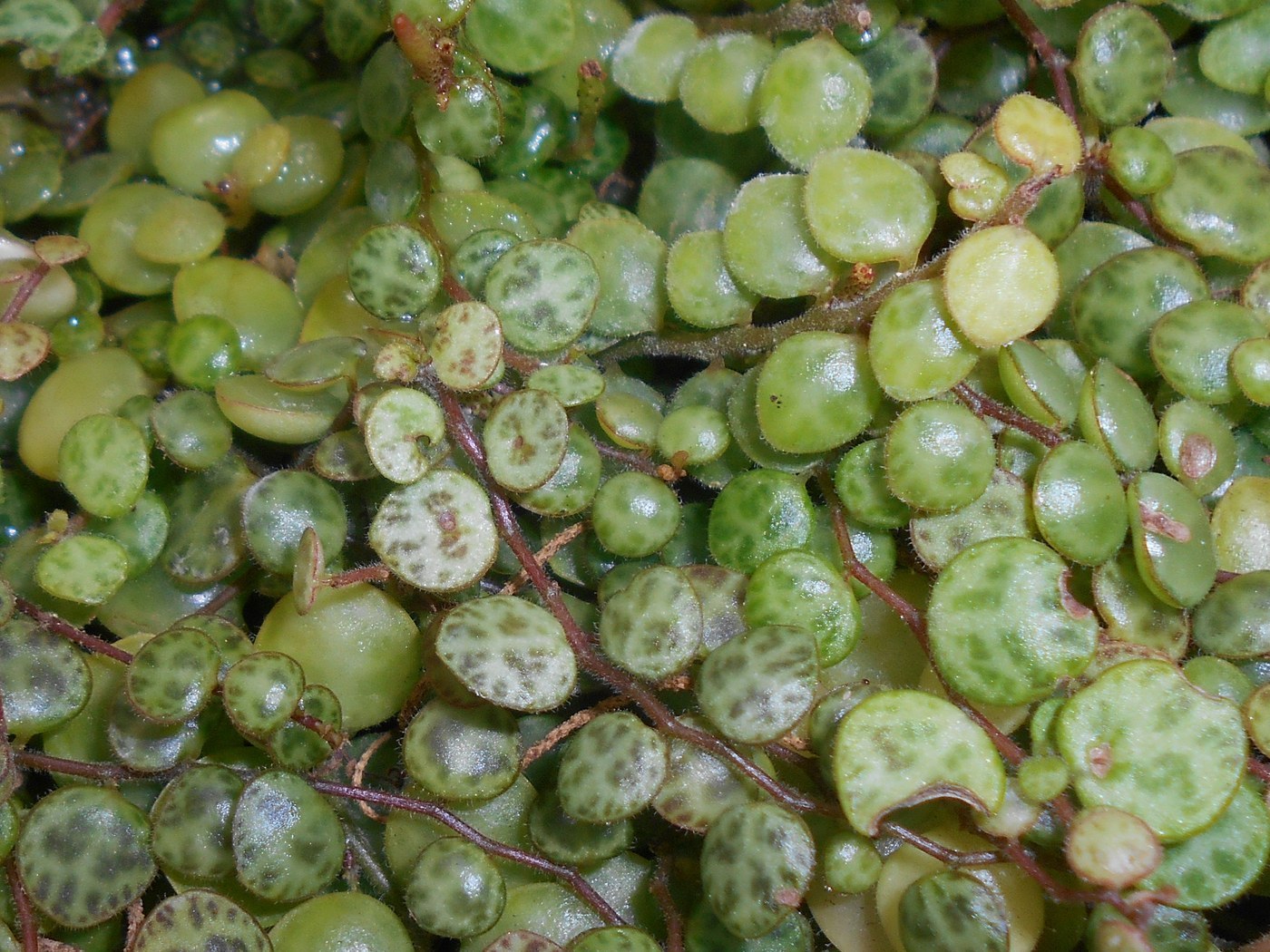
- Leaves: small, oval, deep green with a dense, contrasting network of white, pink, or red veins
- Habit: low, creeping, spreading mat usually under 6 in tall
- Stems: soft, slightly fuzzy, trailing and rooting along the surface
- Flowers: insignificant small white-to-yellow spikes, rarely showy
- Texture: thin, soft leaves that wilt quickly when dry
Care & growing
Light: Bright indirect light; avoid direct sun, which scorches the thin leaves. Tolerates lower light.
Water: Keep the soil consistently lightly moist; it dramatically wilts if it dries out. Avoid waterlogging.
Soil: Light, moisture-retentive but well-draining mix.
Temperature: 65-80F; loves high humidity, ideal for terrariums.
Feeding: Diluted fertilizer occasionally during the growing season.
Propagation: Easy from stem-tip cuttings rooted in water or moist soil.
Habitat & origin
Fittonia albivenis is native to the tropical rainforests of South America, especially Peru, growing as ground cover on the warm, humid, shaded forest floor.
It is grown worldwide as a houseplant and is especially popular in terrariums and bottle gardens, where the warm, humid microclimate suits it perfectly.
Frequently asked questions
Why does my Fittonia keep wilting?
It dramatically collapses when the soil dries out. Water it and it usually perks back up within hours; keep the soil consistently moist to avoid it.
Does it need high humidity?
Yes. Fittonia thrives in humid conditions and is ideal for terrariums; dry indoor air can cause crispy leaf edges.
How do I keep it bushy?
Pinch back the stem tips regularly; this encourages branching and prevents it from getting leggy.
How do I propagate Fittonia?
Take stem-tip cuttings and root them in water or moist soil. It roots readily, especially in warm, humid conditions.
Fittonia guides
In-depth guides for identifying, growing, and caring for Fittonia.
How to Care for Fittonia
Grow lush nerve plant indoors with steady moisture, warm humid air, and bright indirect light for vivid veined foliage.
Fittonia Identification Guide
Identify Fittonia (nerve plant) by its small oval leaves laced with a contrasting network of white, pink or red veins and its low, spreading habit.