
How to Care for Floss Flower
Grow floss flower (Ageratum houstonianum) with these easy tips for fluffy blue blooms, steady moisture, and a long summer display.
Read the full Floss Flower encyclopedia entry →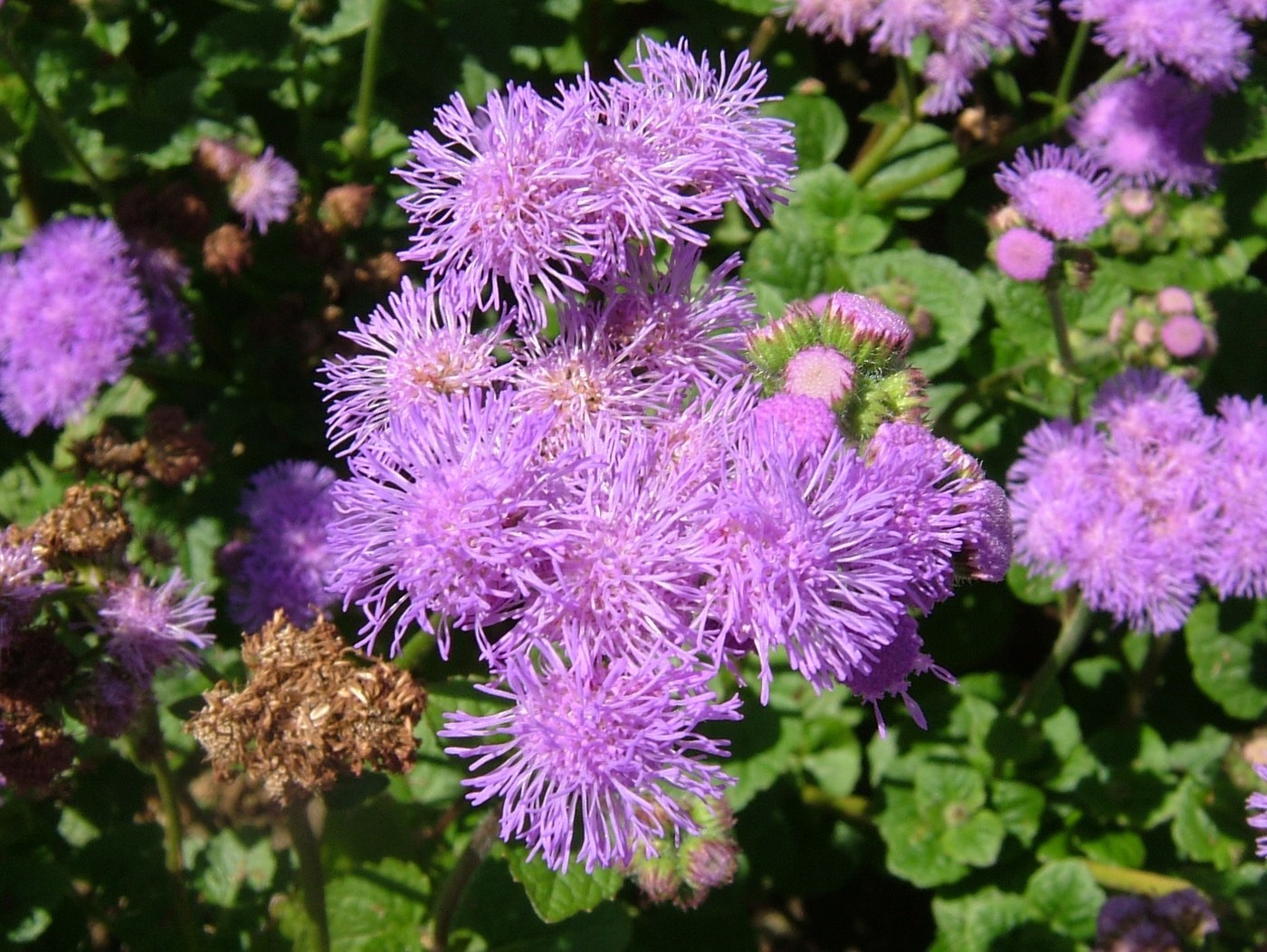
Floss flower is a compact, mound-forming annual prized for its clusters of fuzzy, thread-like blooms in soft blue, lavender, pink, or white. It is an easygoing plant that rewards steady moisture and full light with months of nonstop color in beds, borders, and containers.
Light
Floss flower performs best in full sun, where it stays compact and blooms most heavily. In hot-summer regions it appreciates light afternoon shade, which keeps the fuzzy flowerheads from scorching and prevents the plant from stalling during heat waves. Too much shade produces leggy, floppy growth with sparse flowers, so aim for at least six hours of direct light where you can.
Water
Keep the soil evenly moist but never waterlogged. Floss flower has a shallow root system and wilts quickly if it dries out, so check container-grown plants daily in summer. Water at the base to keep the dense flower clusters dry and reduce fungal problems. A steady rhythm of moderate watering produces the fullest, longest-lasting bloom.
Soil & Potting
Plant in fertile, well-drained soil rich in organic matter. A loose loam amended with compost holds the even moisture this plant likes while still draining freely. For containers, use a quality peat- or coir-based potting mix and make sure every pot has drainage holes. A slightly acidic to neutral pH suits it well.
Humidity & Temperature
Floss flower is a warm-season annual that thrives in typical summer warmth and average outdoor humidity. It is frost-tender, so wait until all danger of frost has passed and the soil has warmed before planting out. Sustained cold below freezing will kill it, and very cool spring soil slows growth to a standstill.
Feeding
Feed lightly but regularly for continuous bloom. Work a slow-release balanced fertilizer into the bed at planting, then supplement container plants with a diluted liquid feed every two to three weeks through the growing season. Avoid high-nitrogen feeds, which push leafy growth at the expense of flowers.
Propagation
Floss flower is easily grown from seed. Start seed indoors six to eight weeks before your last frost, pressing the tiny seeds onto the surface of moist mix since they need light to germinate. Keep them warm and bright; seedlings appear in one to two weeks. Harden off and transplant after frost. Cultivars can also be propagated from soft stem cuttings.
Repotting / Pruning
As an annual, floss flower rarely needs repotting, but pinch young plants once when they reach a few inches tall to encourage bushy, well-branched growth. Deadhead spent flower clusters regularly, or shear the whole plant back lightly midseason if it looks tired; both practices trigger a fresh flush of blooms.
Common Problems & Pests
Watch for powdery mildew and botrytis in humid, crowded conditions; improve air circulation and avoid overhead watering. Spider mites and whiteflies can appear in hot, dry spells and are managed with insecticidal soap and by keeping plants healthy. Root rot follows soggy soil, so ensure good drainage. Leggy growth signals too little light.
Seasonal Care Tips
Start seeds indoors in late winter and set plants out after the last spring frost. Water and feed steadily through summer, deadheading to keep blooms coming. In hot regions, a midsummer shearing revives the display. The plant is killed by the first autumn frost; simply clear the spent plants and refresh the bed for next year.
Frequently asked questions
Why is my floss flower leggy and flopping over?
Legginess usually means too little light or excess nitrogen. Move plants to full sun, pinch them back to encourage branching, and switch to a balanced fertilizer to keep growth compact.
How do I keep floss flower blooming all summer?
Deadhead spent clusters regularly, water evenly, and feed every couple of weeks. A light midsummer shearing also triggers a fresh flush of flowers.
Can I grow floss flower in containers?
Yes. Use a quality potting mix in a pot with drainage holes, keep it evenly moist, and feed with a diluted liquid fertilizer. Its compact habit makes it ideal for pots and window boxes.
When can I plant floss flower outside?
Wait until all danger of frost has passed and the soil has warmed. Floss flower is frost-tender and cool soil stalls its growth.