
How to Care for Flowering Dogwood
A beloved understory ornamental with spring bracts and red fall color. Give it dappled light, even moisture, and cool acidic soil to thrive.
Read the full Flowering Dogwood encyclopedia entry →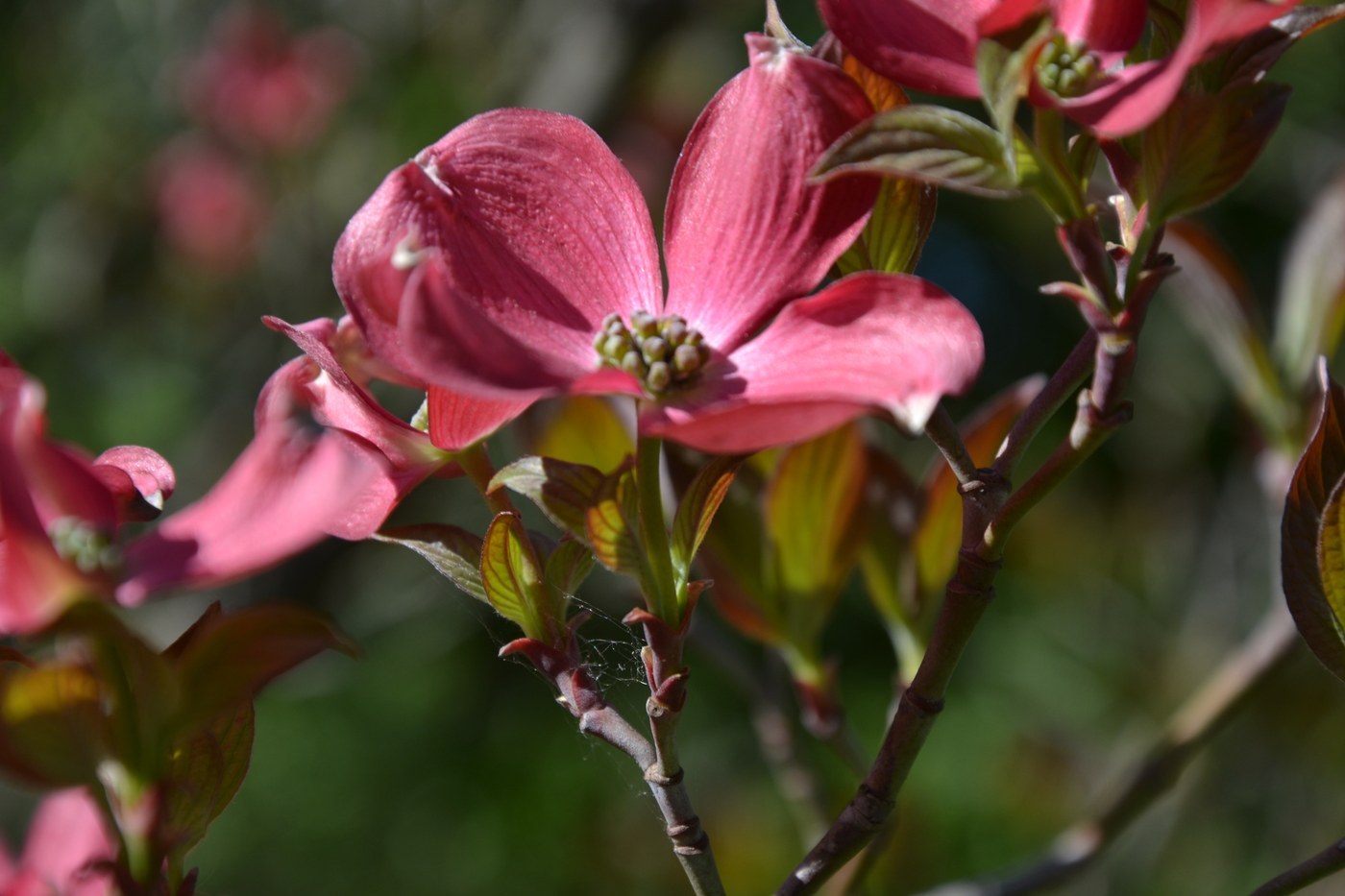
Flowering Dogwood (Cornus florida) is a small, elegant understory tree cherished for its showy spring display of white or pink bracts, layered horizontal branching, and rich burgundy autumn foliage. It rewards attentive siting and steady moisture, and its moderate care needs stem mainly from its dislike of hot, dry, exposed conditions.
Light
Dogwood is naturally an understory tree and does best in part shade or filtered light, especially where summers are hot. It will grow in full sun with excellent flowering if given consistent moisture, but full sun in dry, exposed spots stresses the tree and invites problems. Dappled woodland-edge light is ideal.
Water
Keep the soil evenly moist — this species has moderate but consistent water needs and is intolerant of drought. Water deeply during dry spells, particularly in the first several years and any time summer heat is prolonged. A generous organic mulch layer is essential to keep the shallow roots cool and moist.
Soil & Potting
Provide rich, well-drained, slightly acidic soil high in organic matter. Dogwoods resent both heavy waterlogged clay and droughty sand. Amend planting sites with compost or leaf mold, and maintain a 2–3 inch mulch ring (kept off the trunk) to mimic the cool leaf-litter conditions of a forest floor.
Humidity & Temperature
Hardy in USDA zones 5–9, Flowering Dogwood suits temperate climates with distinct seasons. It appreciates moderate humidity but good air circulation — stagnant, humid air encourages foliar disease. Protect from harsh drying winds and reflected heat from pavement or walls.
Feeding
Feed lightly. A thin application of balanced slow-release fertilizer in early spring supports young trees, but avoid heavy nitrogen, which produces soft growth prone to problems. Established trees in humus-rich soil often need no supplemental feeding beyond annual mulch renewal.
Propagation
Propagate from seed sown outdoors in fall (the seed needs cold stratification to germinate the following spring) or from softwood cuttings taken in early summer and rooted under mist with rooting hormone. Named pink and disease-resistant cultivars are usually grafted or budded to stay true.
Repotting / Pruning
Prune minimally and only when needed, ideally in late fall or winter when the tree is dormant — pruning in spring or summer can invite borers and disease. Remove dead, damaged, or crossing branches to preserve the natural layered silhouette rather than reshaping heavily.
Common Problems & Pests
The main concerns are dogwood anthracnose and powdery mildew, both worsened by shade, poor airflow, and wet foliage; choose resistant cultivars and water at the base rather than overhead. Dogwood borer can attack stressed or wounded trunks, so avoid mechanical injury. Leaf scorch appears on trees that are too dry or too sunny.
Seasonal Care Tips
Plant in spring or early fall. Enjoy the bract display in spring, keep soil moist through summer heat, and expect crimson foliage plus bright red berries in autumn. Refresh mulch each year, avoid string-trimmer damage to the trunk, and site the tree where it gets morning sun and afternoon shade for the healthiest performance.
Frequently asked questions
Why isn't my dogwood flowering?
Common causes are too much shade, a young tree not yet mature, late-frost damage to buds, or drought stress the previous summer. Improve light and keep it evenly watered.
Does Flowering Dogwood need full sun or shade?
It grows best in part shade or filtered light, especially in hot climates. Full sun works only with reliably moist soil; deep shade reduces bloom.
What are the showy 'petals' on a dogwood?
They are actually bracts — modified leaves surrounding the small true flowers — which is why the spring display lasts so long.
How do I prevent dogwood diseases?
Plant disease-resistant cultivars, ensure good air circulation, water at the base rather than overhead, and avoid wounding the trunk.