Flowering Dogwood
Cornus florida
Flowering dogwood is a beloved small ornamental tree whose spring branches are clouded in showy white or pink bracts. It offers four-season interest with summer berries, scarlet fall color, and tiered branching.
- Light
- Part shade to full sun
- Water
- Moderate; keep evenly moist
- Difficulty
- Moderate
Got a plant like this?
Identify any plant from a photo, free.
Overview
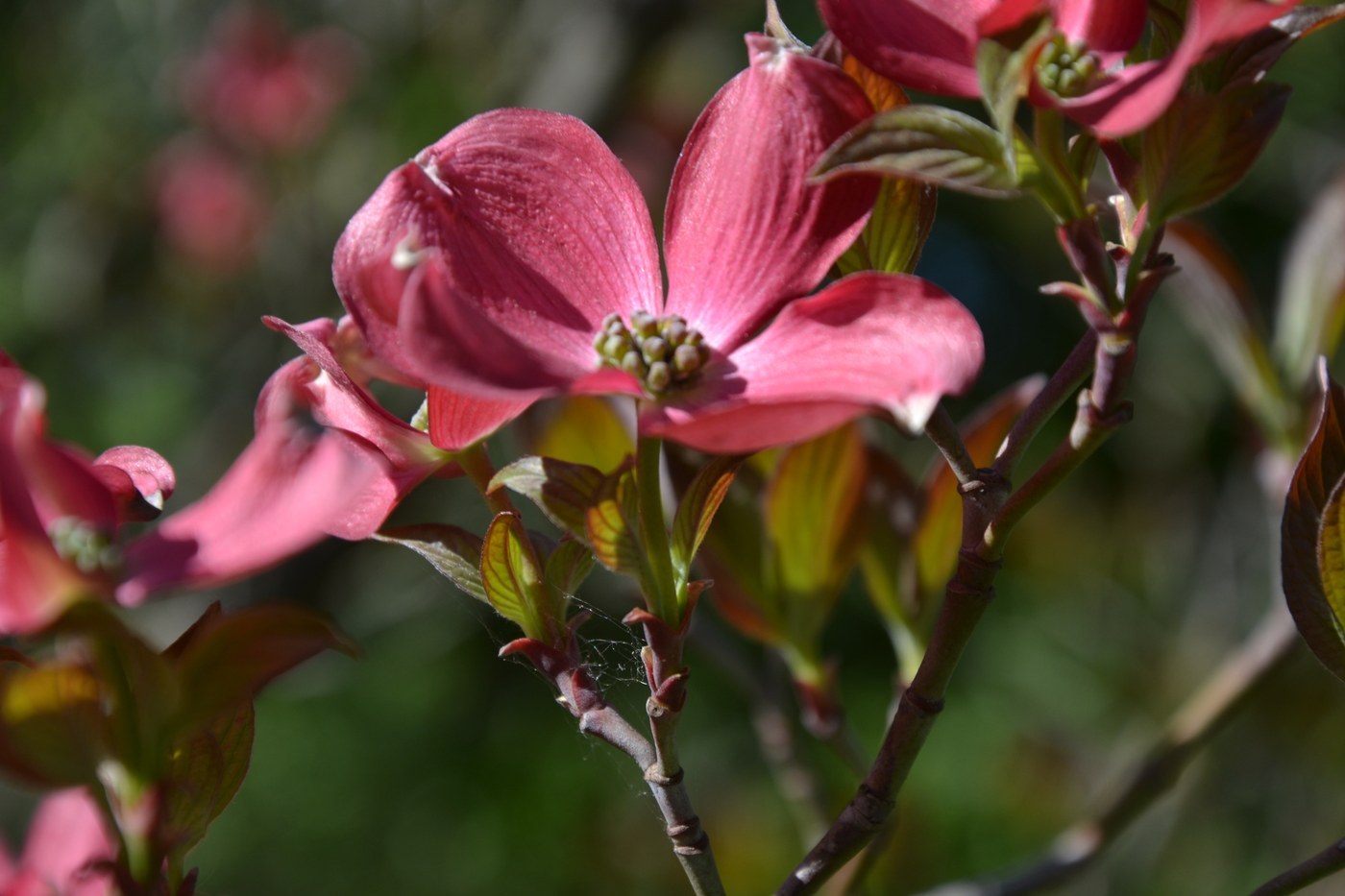
Flowering dogwood (Cornus florida) is a small understory tree native to eastern North America, prized as one of the finest flowering ornamentals. What appear to be its flowers are actually four large petal-like bracts surrounding a tight cluster of tiny true flowers.
It provides interest in every season: bracts in spring, clusters of glossy red berries in late summer, brilliant red-purple fall foliage, and distinctive horizontal branching in winter. It does best in dappled shade and is susceptible to dogwood anthracnose in cool, damp climates.
How to identify it
- Bracts: Four showy white (sometimes pink) notched bracts surrounding a small central green flower cluster in spring
- Leaves: Opposite, oval leaves with arching veins that curve toward the tip; turning red to purple in fall
- Fruit: Clusters of shiny red oval berries (drupes) in late summer and fall
- Bark: Gray-brown, broken into small blocky plates resembling alligator hide on older trunks
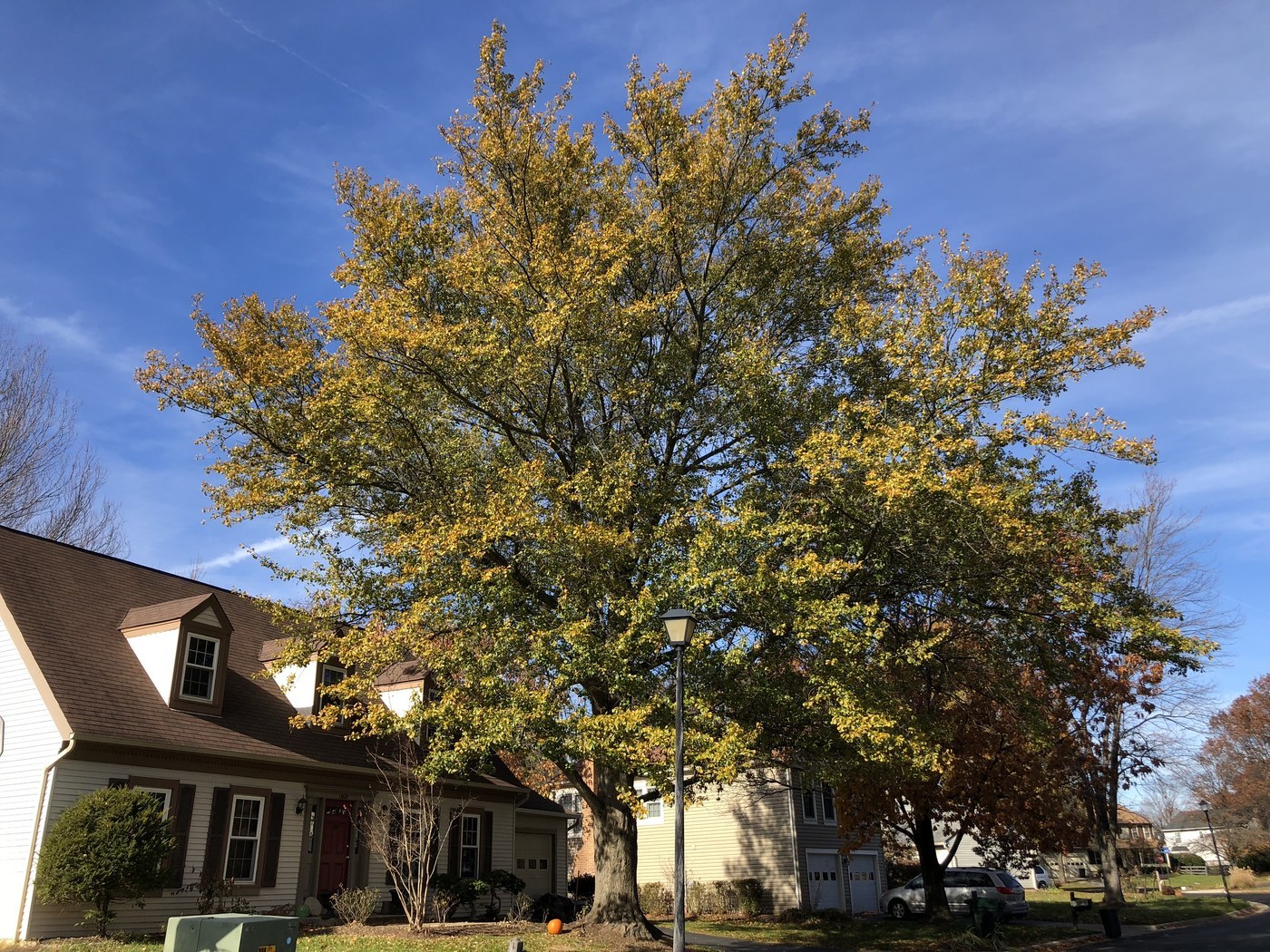
- Form: Small tree 15-30 ft tall with a horizontal, tiered branching pattern
Care & growing
Light: Partial shade is ideal; tolerates full sun with adequate moisture.
Water: Keep soil evenly moist; mulch to keep roots cool and avoid drought stress.
Soil: Rich, well-drained, slightly acidic soil high in organic matter.
Temperature: Hardy USDA zones 5-9.
Feeding: Light feeding in spring if needed.
Propagation: Grown from seed, cuttings, or grafting. Choose anthracnose-resistant cultivars in disease-prone regions and provide good air circulation.
Habitat & origin
Flowering dogwood is native to eastern North America, from southern Canada to Florida and the Gulf states. It grows naturally as an understory tree in deciduous woodlands, along forest edges, and on moist slopes.
It is one of the most popular flowering ornamental trees in American gardens, parks, and residential landscapes.
Frequently asked questions
Are the white 'petals' on a dogwood actually flowers?
No. The four showy white or pink structures are modified leaves called bracts. The true flowers are the small yellow-green cluster in the center.
Why is my dogwood struggling?
Often it is drought stress or dogwood anthracnose, a fungal disease that thrives in cool, damp, shady conditions. Good air flow, even moisture, and resistant cultivars help.
How big does a flowering dogwood get?
It is a small tree, usually 15-30 feet tall, with a graceful horizontal branching habit that makes it ideal for smaller yards.
Flowering Dogwood guides
In-depth guides for identifying, growing, and caring for Flowering Dogwood.
How to Care for Flowering Dogwood
A beloved understory ornamental with spring bracts and red fall color. Give it dappled light, even moisture, and cool acidic soil to thrive.
Flowering Dogwood Identification Guide
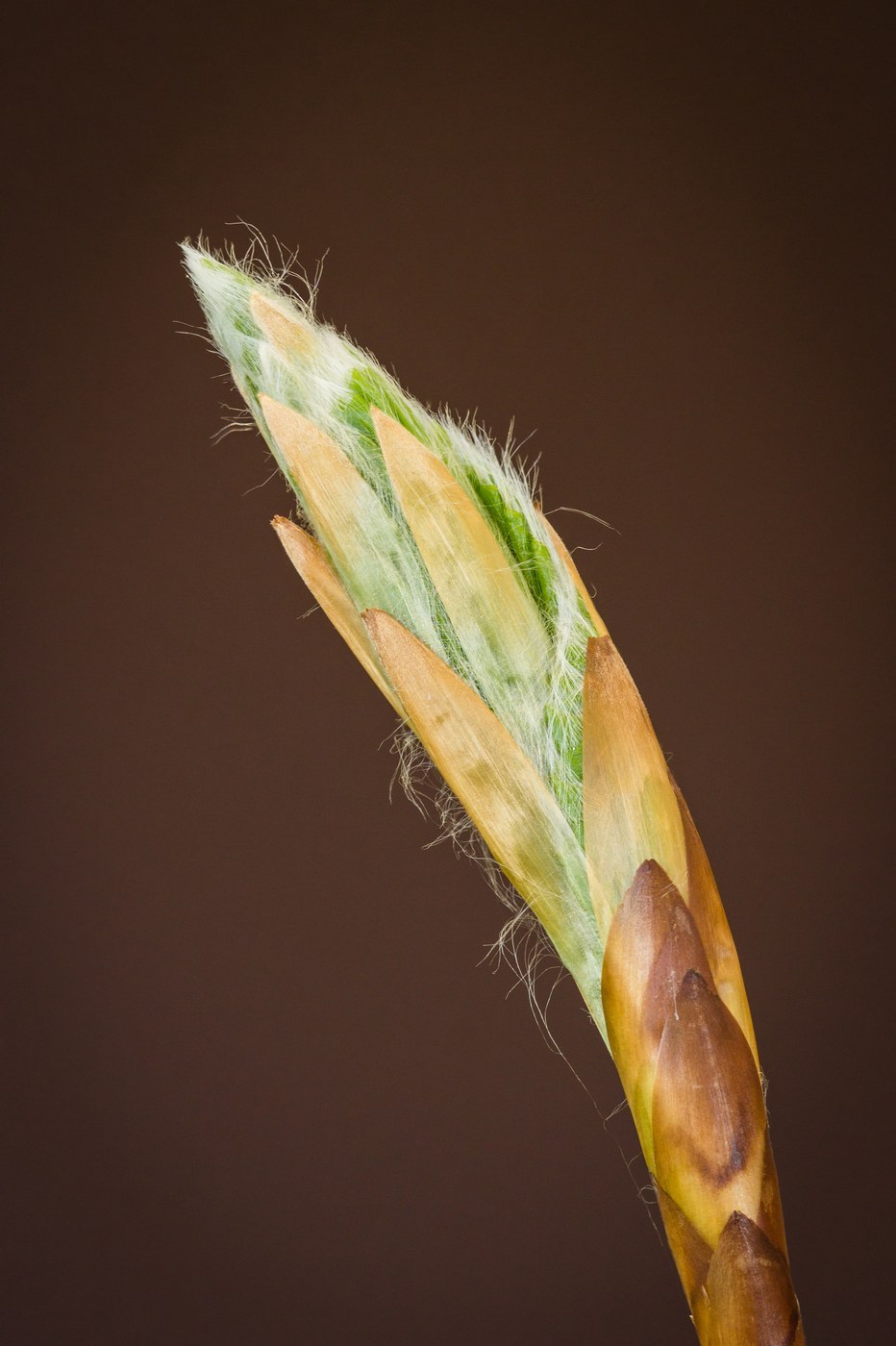
Identify flowering dogwood (Cornus florida) by its four large notched bracts, oval veined leaves with arcing veins, clustered red berries, and onion-shaped flower buds.