
How to Care for Flowering Kale
Grow ornamental Flowering Kale for vivid rosettes of ruffled foliage that intensify in cool weather. An easy cool-season bedding plant.
Read the full Flowering Kale encyclopedia entry →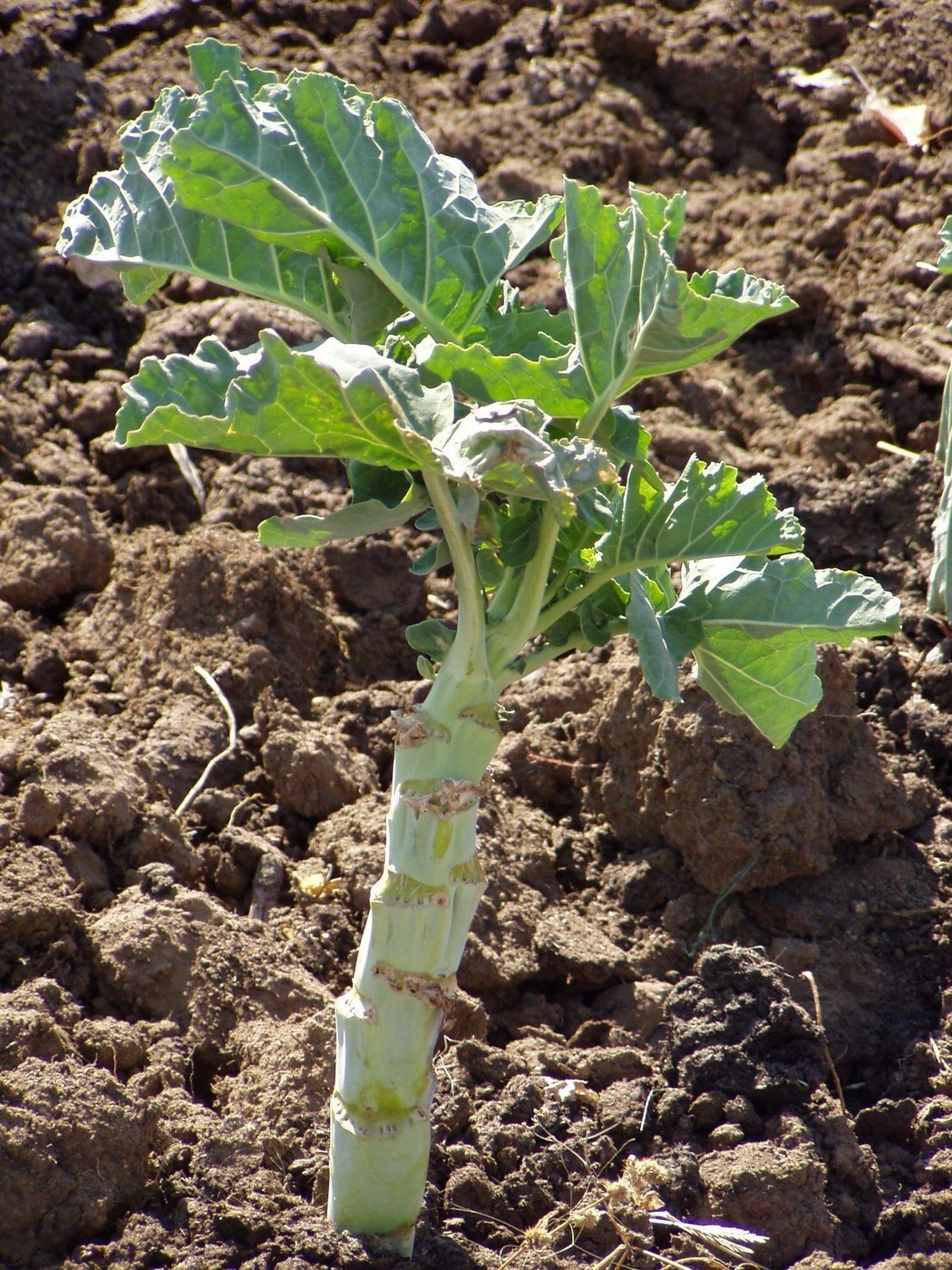
Flowering Kale (Brassica oleracea) is a striking cool-season ornamental grown for its bold rosettes of ruffled, fringed, or feathery leaves that color up in cream, pink, purple, and magenta as temperatures drop. It is an easy, fast bedding and container plant that provides vivid color when little else is in bloom. This guide covers its use purely as a decorative garden plant.
Light
Grow Flowering Kale in full sun for the most intense leaf coloration and compact, tight rosettes. It tolerates a little shade but the colors stay muted and plants grow looser. Bright light plus cool temperatures together trigger the best display.
Water
Keep the soil evenly moist with regular watering, especially while plants are establishing and during dry spells. It does not like to dry out completely, which stresses the foliage, but it also dislikes waterlogged roots. Water at the base to keep the ornate leaves clean and reduce disease.
Soil & Potting
Use rich, well-draining soil with plenty of organic matter and a neutral to slightly alkaline pH. In containers, a quality potting mix works well and makes it easy to move the display where color is wanted. Firm the plant in well and mulch lightly to hold moisture and steady soil temperature.
Humidity & Temperature
This is a cool-season plant that peaks in autumn and winter; its colors deepen and brighten after light frosts, which is when it looks its best. It tolerates cold well but declines and bolts in summer heat. Time planting for the cool months for the longest, most vivid show.
Feeding
Feed with a balanced fertilizer at planting to fuel lush leaf growth, then feed lightly through the growing season. Avoid heavy late feeding, which can wash out the ornamental coloration. In containers, a diluted liquid feed every few weeks keeps rosettes full and healthy.
Propagation
Grow Flowering Kale from seed, sown in mid to late summer for autumn and winter display. Start seeds in trays or directly in beds, keep evenly moist, and thin or transplant to spacing that lets each rosette develop fully. Seedlings grow quickly in cool conditions.
Repotting / Pruning
Little pruning is needed; simply remove any yellowing or damaged outer leaves to keep the rosette tidy. Container plants seldom need repotting within their single cool-season display, but give each plenty of room so the rosette can expand. Remove and replace plants once they bolt and stretch in warm weather.
Common Problems & Pests
As a brassica it can attract aphids, cabbage caterpillars, and flea beetles; inspect regularly and remove pests by hand or with a gentle spray. Watch for downy mildew, leaf spot, and root rot in wet, crowded, or poorly drained conditions. Good spacing, base watering, and airflow prevent most issues. Warm weather causes it to stretch and lose its compact form.
Seasonal Care Tips
Sow in summer and set plants out in early autumn as temperatures fall. Enjoy peak color through late autumn and winter, when frosts deepen the hues. In spring, plants will eventually bolt and stretch; replace them with warm-season displays at that point.
Frequently asked questions
Why isn't my Flowering Kale coloring up?
The vivid colors are triggered by cool temperatures and bright light. In warm weather the leaves stay green. Colors intensify after the first light frosts of autumn.
When should I plant Flowering Kale?
Plant in late summer to early autumn so it matures and colors as the weather cools. It is a cool-season plant that peaks in autumn and winter.
Why is my Flowering Kale stretching and losing its shape?
Warm weather causes it to bolt, elongate, and lose its tight rosette. This signals the end of its display; replace it with warm-season plants.
Does Flowering Kale need full sun?
Yes, full sun gives the most intense coloration and the most compact rosettes. In shade the colors stay muted and growth is looser.