
Flowering Kale Identification Guide
Identify ornamental flowering kale (Brassica oleracea) by its rosette of frilly or ruffled leaves with vivid pink, purple, white, or cream centers.
Read the full Flowering Kale encyclopedia entry →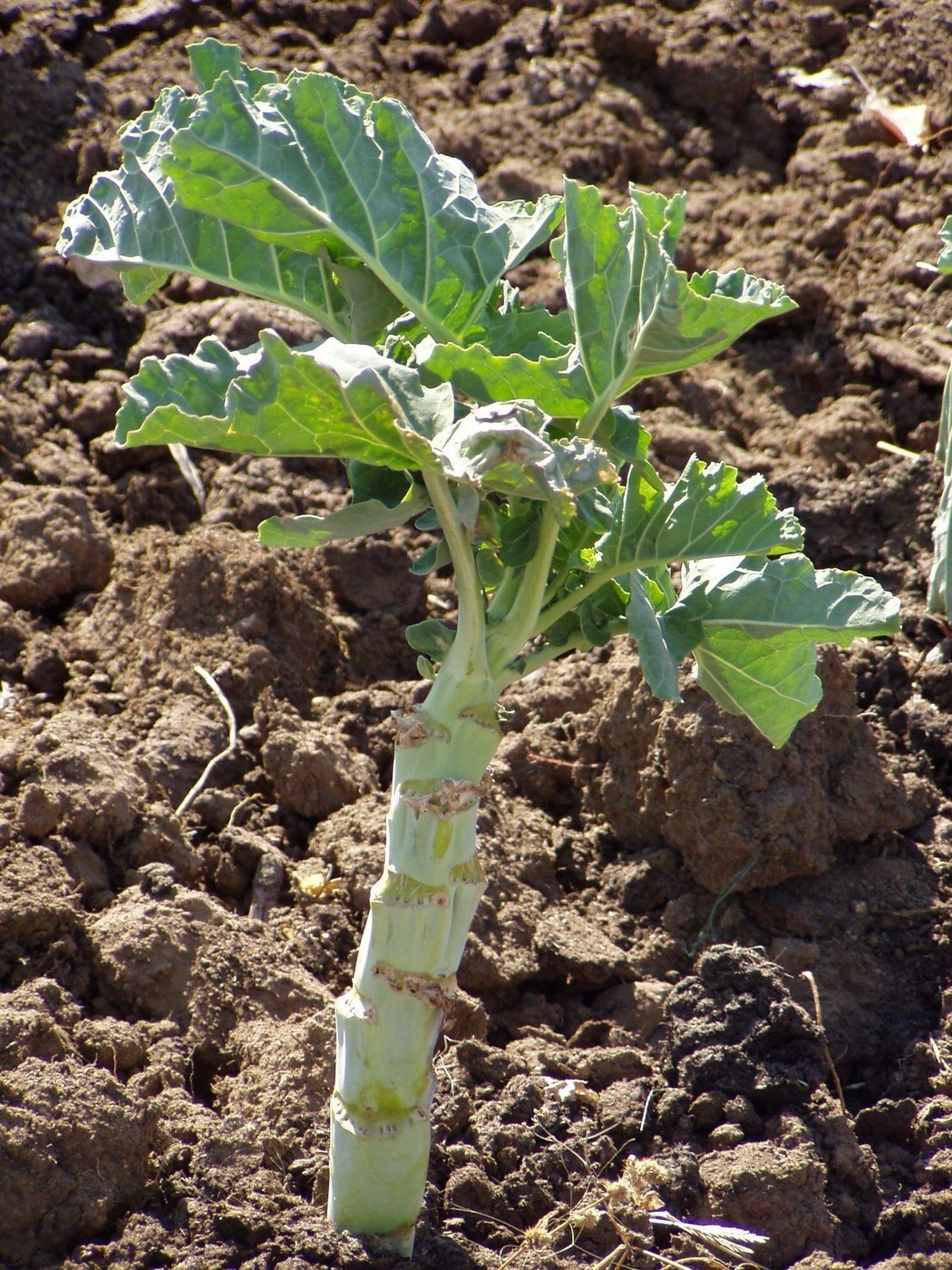
Key Identifying Features
Flowering kale (an ornamental form of Brassica oleracea) is grown not for flowers but for its colorful rosette of leaves that intensifies in cool weather. It forms a low, cabbage-like whorl with green, blue-green, or purple outer leaves surrounding a bright pink, magenta, purple, white, or cream center. Flowering kale typically has fringed, ruffled, or deeply frilled leaf edges, distinguishing it from the smoother-leaved 'flowering cabbage.'
- Low, flat rosette 8–18 inches wide
- Frilly, ruffled, or feathery leaf margins
- Bright central coloration in pink, purple, white, or cream
- Color deepens after frost and cold nights
Leaves & Stems
Leaves grow in a tight rosette from a short central stem. Each leaf is broad with a waxy, often blue-green coating and strongly curled, fringed, or finely cut edges in kale types. The veins are pale and prominent. As temperatures drop, the inner leaves develop their vivid color, creating the signature 'painted' center. The plant stays compact through fall and winter, then bolts upward in spring producing a tall stalk of yellow, four-petaled flowers.
Flowers & Fruit
Though valued for foliage, when it bolts in warm spring weather it sends up a loose raceme of small, four-petaled yellow flowers in the classic mustard-family cross shape, followed by slender seed pods (siliques). This bolting confirms its Brassica identity but ends the ornamental display.
How to Tell It Apart from Look-Alikes
- Flowering cabbage (also B. oleracea) has smooth or wavy, broad leaves forming a looser head, versus kale's fringed, frilled edges.
- Plain green kale and cabbage look similar in leaf but lack the bright central pigmentation.
- Ornamental mustard and lettuces lack the waxy blue-green coating and the tight, color-centered rosette.
Where You'll Find It
Flowering kale is a cool-season bedding and container plant, popular in fall and winter displays, borders, and pots. It thrives in full sun and cold weather, tolerating frost and light snow. It is rarely found wild and is replaced or removed once spring heat causes bolting.
Quick ID Checklist
- Low rosette of waxy, blue-green leaves
- Frilly or ruffled leaf edges (kale, not smooth cabbage)
- Bright pink, purple, white, or cream center
- Color intensifies after frost
- Bolts to yellow four-petaled flowers in spring
A frilly, frost-loving leaf rosette with a glowing colored center is ornamental flowering kale.
Frequently asked questions
What's the difference between flowering kale and flowering cabbage?
Both are forms of Brassica oleracea, but flowering kale has fringed, ruffled, or feathery leaf edges, while flowering cabbage has smoother, broader, wavy leaves forming a tighter head.
Why does the color get brighter in fall?
Cool nights and frost trigger the pink, purple, and white pigments in the central leaves, so the display deepens as temperatures drop.
Are the yellow flowers normal?
Yes. When spring warms, the plant bolts and produces a stalk of small four-petaled yellow flowers typical of the mustard family, which signals the end of its ornamental season.