
How to Care for Flowering Peach
Flowering peach bursts with showy spring blossoms in full sun and evenly moist, well-drained soil with yearly dormant pruning.
Read the full Flowering Peach encyclopedia entry →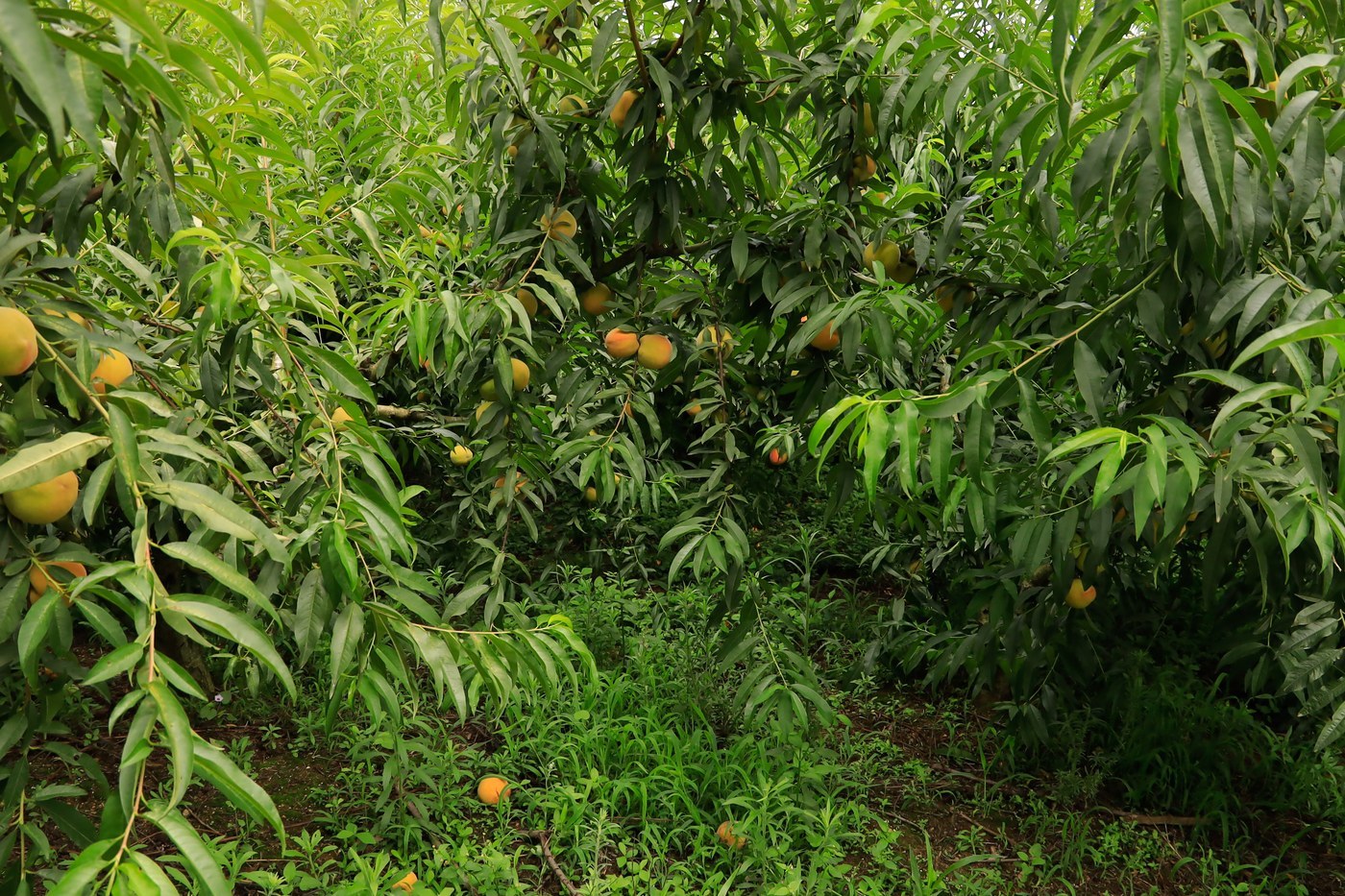
Flowering peach (Prunus persica) is an ornamental spring-blooming tree grown for its abundant, showy blossoms in shades of pink, red, and white. It is a cheerful small landscape tree that puts on a spectacular early-season display but needs full sun and attentive care to stay healthy.
Light
Plant flowering peach in full sun, at least six hours of direct light daily. Ample sun is essential for heavy flower-bud set, strong stems, and good airflow that keeps foliage healthy. In shade the tree blooms sparsely, grows weak, and becomes far more prone to fungal problems.
Water
Provide moderate, even moisture, keeping the soil consistently damp but never waterlogged. Water regularly during the first few years and through dry spells, focusing on deep, infrequent soakings that reach the root zone. Established trees are moderately drought-aware but bloom and grow best with steady moisture; avoid soggy soil, which invites root rot.
Soil & Potting
Use fertile, well-drained soil with a slightly acidic to neutral pH. Flowering peach strongly dislikes heavy, poorly drained ground, where root and collar rots take hold. Amend clay soils with organic matter and choose a raised or sloping site if drainage is marginal. Loamy, moisture-retentive but freely draining soil is ideal.
Humidity & Temperature
Flowering peach is a temperate tree that needs a period of winter cold to bloom well and grows across a moderate climate range. It prefers open, airy sites since stagnant, humid air promotes leaf disease. Late spring frosts can damage early blooms, so a site with good air drainage that avoids frost pockets helps protect the flower display.
Feeding
Feed in early spring with a balanced fertilizer to support vigorous growth and flowering. A single spring application is usually enough for landscape trees; avoid late-season nitrogen, which pushes tender growth vulnerable to winter cold. A ring of compost or mulch over the root zone provides steady, gentle nutrition.
Propagation
Ornamental flowering peaches are usually propagated by grafting or budding named selections onto rootstock to preserve their flower form, since seedlings do not come true. Softwood cuttings can be attempted but are less reliable. Most gardeners simply start with a nursery-grown grafted tree.
Repotting / Pruning
Prune annually to keep the tree productive and shapely, ideally just after flowering finishes so you do not sacrifice the display. Flowering peach blooms on the previous year's wood, so timing pruning right after bloom preserves next season's flowers while renewing vigor. Thin crowded, crossing, and dead branches to open the canopy and improve airflow, which greatly reduces disease.
Common Problems & Pests
Flowering peach is prone to peach leaf curl, a fungal disease causing puckered, reddened distorted leaves, best managed with dormant-season sprays and good sanitation. Borers, aphids, and scale can attack stressed trees, and brown rot and various cankers appear in wet, crowded conditions. Keep the tree vigorous, prune for airflow, and clear fallen debris to minimize problems. These trees tend to be relatively short-lived even with good care.
Seasonal Care Tips
Apply dormant-season treatment in late winter before buds swell to head off leaf curl. Enjoy the blossoms in early spring, then prune promptly after flowering to shape and renew growth. Feed in spring, water steadily through summer, rake up fallen leaves in autumn to reduce disease carryover, and protect early blooms from late frosts where possible.
Frequently asked questions
How much sun does a flowering peach need?
Full sun, at least six hours daily. Strong light drives heavy flower-bud set and healthy growth, while shade leads to sparse bloom, weak stems, and more fungal disease.
When should I prune a flowering peach?
Prune right after the blossoms fade. Because the tree flowers on the previous year's wood, pruning just after bloom renews vigor without sacrificing next spring's display.
Why are the leaves puckered and reddish?
That is peach leaf curl, a common fungal disease. Manage it with dormant-season treatment applied in late winter before buds swell, plus good sanitation and airflow.
What soil does a flowering peach prefer?
Fertile, well-drained, slightly acidic to neutral soil. It dislikes heavy, waterlogged ground, so amend clay with organic matter and improve drainage to prevent root rot.
How do I water a flowering peach?
Keep the soil evenly moist but never soggy, using deep, infrequent soakings. Water regularly during establishment and dry spells; steady moisture supports the best bloom and growth.