Flowering Peach
Prunus persica
The flowering peach is an ornamental form of the peach tree grown for its lavish spring display of double pink, red, or white blossoms. It is a showy small accent tree, prized in gardens and in East Asian culture.
- Light
- Full sun
- Water
- Moderate; keep evenly moist
- Difficulty
- Moderate
Got a plant like this?
Identify any plant from a photo, free.
Overview
Prunus persica, in its ornamental flowering forms, is a small deciduous fruiting tree selected for spectacular spring bloom rather than fruit. The same species includes the cultivated peach, but flowering peach cultivars are bred for their abundant, often double, blossoms.
In early to mid spring the bare branches become densely clothed in showy flowers in shades of pink, rose-red, white, or even bicolor, sometimes with different colors on one tree. The display is brief but intense.
Long cultivated in China, where the peach is a symbol of longevity and spring, the flowering peach is a beloved ornamental in temperate gardens, valued for adding vivid early-season color.
How to identify it
A small deciduous tree typically 3-8 m tall with an upright, rounded crown.
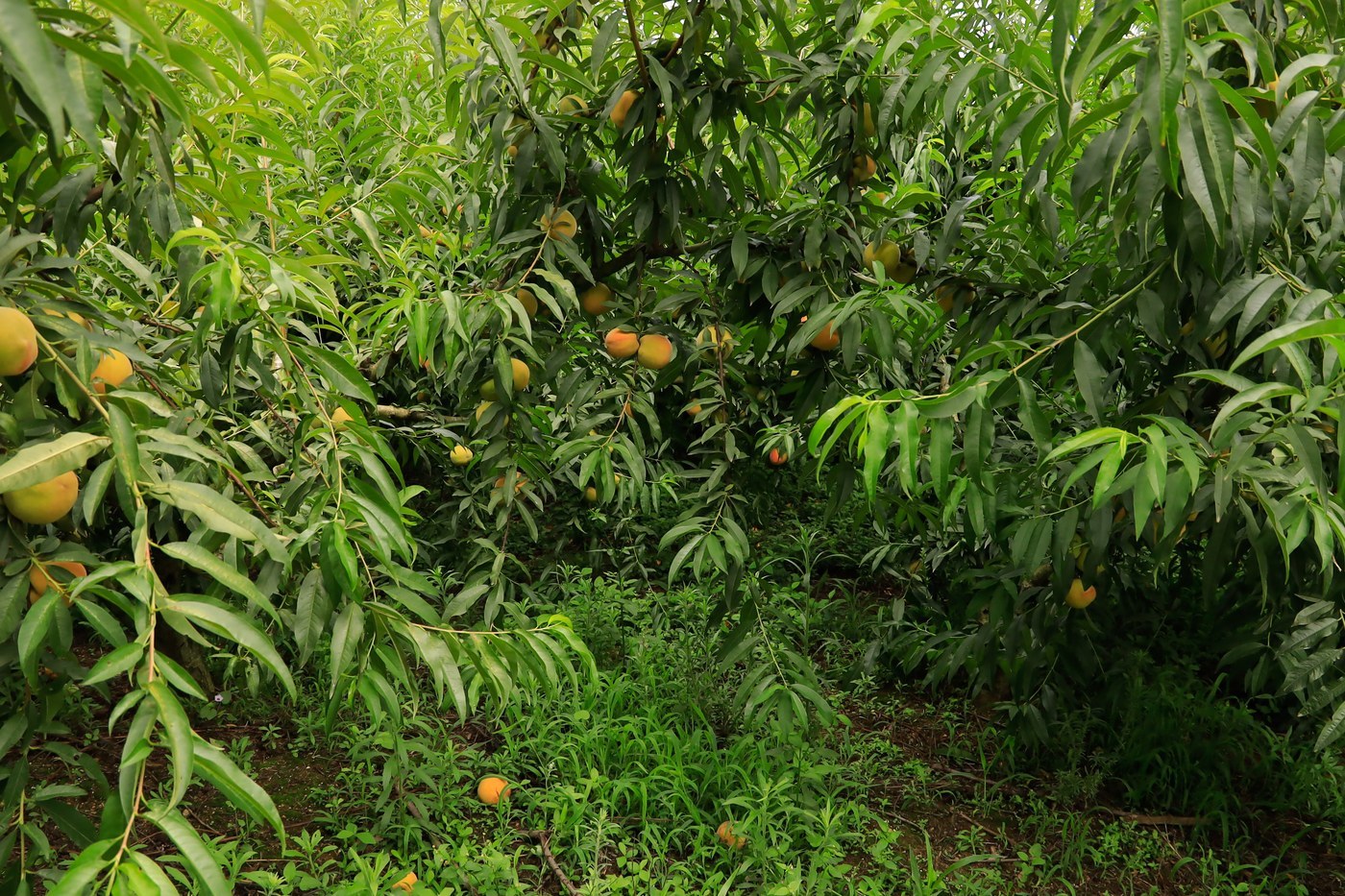
- Leaves: lance-shaped, finely toothed, glossy green, appearing after the flowers
- Flowers: showy, often fully double, in pink, red, white, or bicolor, densely lining the branches in early to mid spring
- Fruit: small fuzzy peach-like fruits may form but are usually sparse in ornamental forms
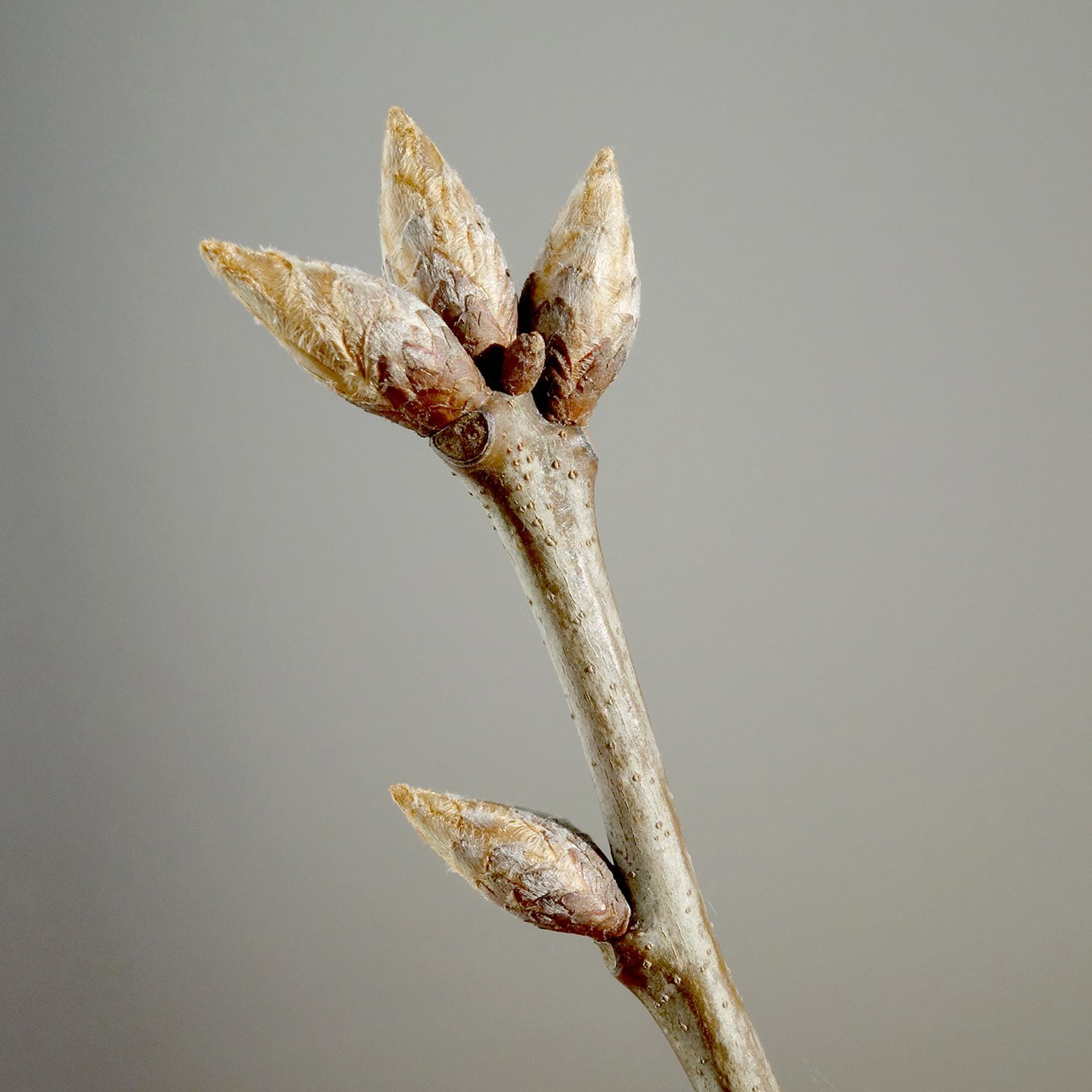
- Bark: reddish-brown to grey, smooth when young
- Habit: compact, with flowers borne directly along the stems
Care & growing
A showy but somewhat demanding ornamental for sunny gardens.
- Light: full sun, essential for good bloom
- Water: moderate; keep evenly moist, avoiding waterlogging
- Soil: fertile, well-drained soil; dislikes heavy wet ground
- Temperature: hardy in zones 5-8; flowers can be damaged by late frosts
- Feeding: annual feeding supports flowering
- Propagation: by grafting or budding of named cultivars. Prune after flowering, since blooms form on the previous year's wood; watch for peach leaf curl and borers
Habitat & origin
The peach originated in China, where it has been cultivated for thousands of years, and ornamental flowering forms have a long history in Chinese and Japanese gardens.
Flowering peach is now grown throughout temperate regions worldwide as a spring-flowering ornamental in gardens, parks, and as cut blossoming branches.
Frequently asked questions
Why are some flowering peaches multiple colors?
Certain cultivars are bred to bear pink, red, and white blossoms on the same tree, a prized novelty in ornamental forms.
When should I prune a flowering peach?
Prune right after flowering, because the blossoms form on the previous season's growth; pruning later removes next year's flower buds.
What pests affect flowering peaches?
They are prone to peach leaf curl, borers, and other common Prunus problems, so good siting and care help keep them healthy.
Flowering Peach guides
In-depth guides for identifying, growing, and caring for Flowering Peach.
How to Care for Flowering Peach
Flowering peach bursts with showy spring blossoms in full sun and evenly moist, well-drained soil with yearly dormant pruning.
Flowering Peach Identification Guide
How to identify the Flowering Peach (Prunus persica) by its long narrow leaves, showy often-double spring flowers, and fuzzy ornamental fruit.