How to Care for Flowering Plum
Grow Prunus cerasifera, a spring-flowering ornamental tree with clouds of pink or white blossoms and, in many cultivars, rich purple foliage.
Read the full Flowering Plum encyclopedia entry →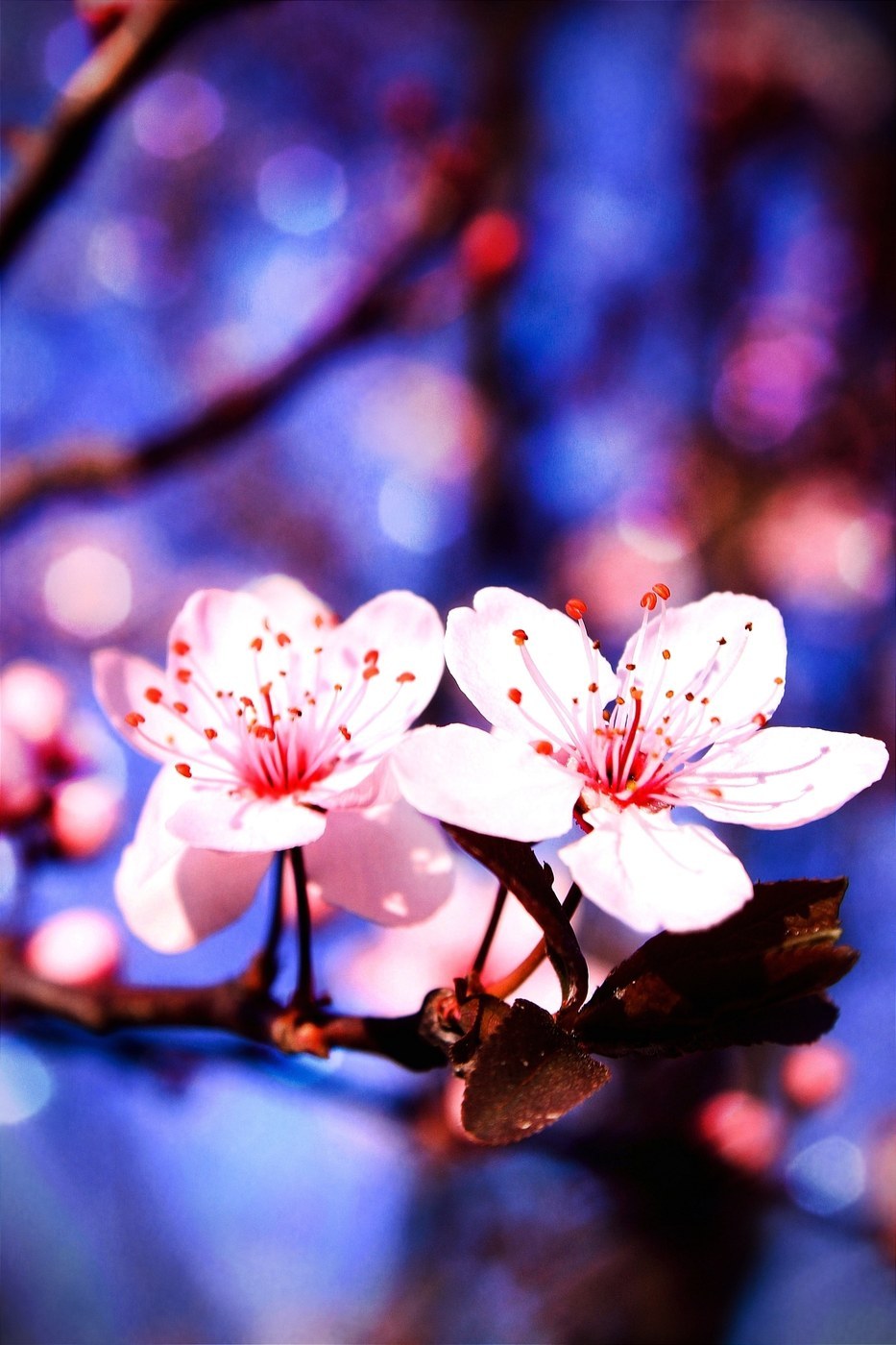
Flowering Plum (Prunus cerasifera) is a small-to-medium ornamental tree beloved for its early-spring show of dainty pink or white blossoms, often opening before the leaves. Many popular cultivars carry striking deep-purple or bronze foliage all season, making it a favorite accent and specimen tree for lawns, borders, and street plantings.
Light
Plant flowering plum in full sun for the heaviest bloom and, in purple-leaved cultivars, the richest foliage color. At least six hours of direct sun daily is ideal. In too much shade, flowering thins, purple leaves fade toward muddy green, and the canopy grows sparse and more prone to disease. An open, sunny position with good air movement is best.
Water
Keep the soil evenly moist, especially while the tree is young and establishing, providing moderate, regular water. Deep watering once or twice a week during dry spells is better than frequent shallow sprinkling, encouraging deep roots. Once established, the tree tolerates short dry periods but performs best with consistent moisture. Avoid waterlogged soil, which invites root rot; a layer of mulch helps conserve even moisture.
Soil & Potting
Flowering plum adapts to a range of soils, including loam, clay, and sandy ground, as long as drainage is reasonable and the site is not chronically wet. It prefers slightly acidic to neutral, moderately fertile soil. Improve heavy or poor soils with organic matter at planting. As a landscape tree it is grown in the ground rather than containers long-term; plant it at the same depth it grew in the nursery.
Humidity & Temperature
This is a temperate, cold-hardy tree, generally suited to USDA zones 4 or 5 through 8, that needs winter chill to bloom well and tolerates hot summers with adequate water. Ambient humidity is not a concern, though very humid, still conditions can encourage foliar diseases, so choose an airy site. Late spring frosts can occasionally damage open blossoms, but the tree itself is robustly hardy.
Feeding
Feed lightly in early spring before or as growth begins, using a balanced slow-release tree-and-shrub fertilizer at label rates. Established trees in decent soil often need little supplemental feeding, and an annual topdress of compost plus mulch is frequently enough. Avoid heavy nitrogen, which pushes soft, disease-prone growth at the expense of flowers.
Propagation
Species plants can be grown from seed, which needs cold, moist stratification over winter before spring sowing. However, the named purple-leaved and improved flowering cultivars are propagated vegetatively, by softwood cuttings taken in early summer or, most reliably, by grafting or budding onto compatible rootstock, since seed-grown plants do not come true to the parent's color and form.
Repotting / Pruning
Prune flowering plum right after it finishes blooming in spring, since it flowers on the previous year's wood and pruning later would remove next year's buds. Remove dead, damaged, crossing, or crowded branches to open the canopy and maintain a pleasing shape, and cut out any suckers or water sprouts. Make clean cuts and avoid heavy pruning in fall or winter, which can invite disease entry. Do structural training while the tree is young.
Common Problems & Pests
Like many ornamental Prunus, flowering plum can face several issues. Aphids may cluster on new growth, and borers can attack stressed trees, so keeping the tree vigorous is the best defense. Fungal diseases such as black knot (dark swollen galls on branches), leaf spot, brown rot, and powdery mildew can appear, especially in wet or crowded conditions; prune out and dispose of affected wood, rake fallen leaves, and ensure good air circulation. Bacterial canker and verticillium wilt occasionally occur. Overall the tree is easy but tends to be relatively short-lived, so good siting and clean pruning prolong its display.
Seasonal Care Tips
In late winter to early spring, apply a light feeding and fresh mulch as buds swell, then enjoy the flush of blossoms. Prune immediately after flowering. Through summer, water consistently and watch for pests and fungal spots, removing black knot galls promptly. In fall, rake and destroy fallen leaves to reduce overwintering disease, and stop feeding so growth hardens before cold. Purple-leaved cultivars offer color all season and a final display before leaf drop.
Frequently asked questions
When should I prune a flowering plum?
Prune right after it finishes blooming in spring. It flowers on last year's wood, so pruning later in summer or winter removes next year's flower buds. Focus on removing dead, crossing, or crowded branches.
Why does my purple-leaf plum have green leaves?
Purple-leaved cultivars need full sun for their richest color. In too much shade the foliage fades toward muddy green and blooming thins. Move it, or ensure it gets at least six hours of direct sun.
What is black knot on a flowering plum?
Black knot is a fungal disease that forms dark, swollen, warty galls on branches. Prune out affected wood well below the gall during dry weather, dispose of it, and keep the canopy open and airy to limit spread.
How much sun and water does a flowering plum need?
Give it full sun, at least six hours daily, for the best flowering and foliage color, and keep the soil evenly moist with moderate, regular watering, especially while young. It tolerates brief dry spells once established.
Flowering Plum identified by the community
Recent Flowering Plum specimens identified with Plant Identifier.