Flowering Plum
Prunus cerasifera
The flowering plum is a small deciduous ornamental tree grown for its early pink or white spring blossoms and, in popular purple-leaf forms, its deep burgundy foliage. It is a favorite accent tree for gardens and streets.
- Light
- Full sun
- Water
- Moderate; keep evenly moist
- Difficulty
- Easy
Got a plant like this?
Identify any plant from a photo, free.
Overview
Prunus cerasifera, the cherry plum or flowering plum, is a small deciduous tree native to Eurasia, widely planted in ornamental forms for its color and early bloom.
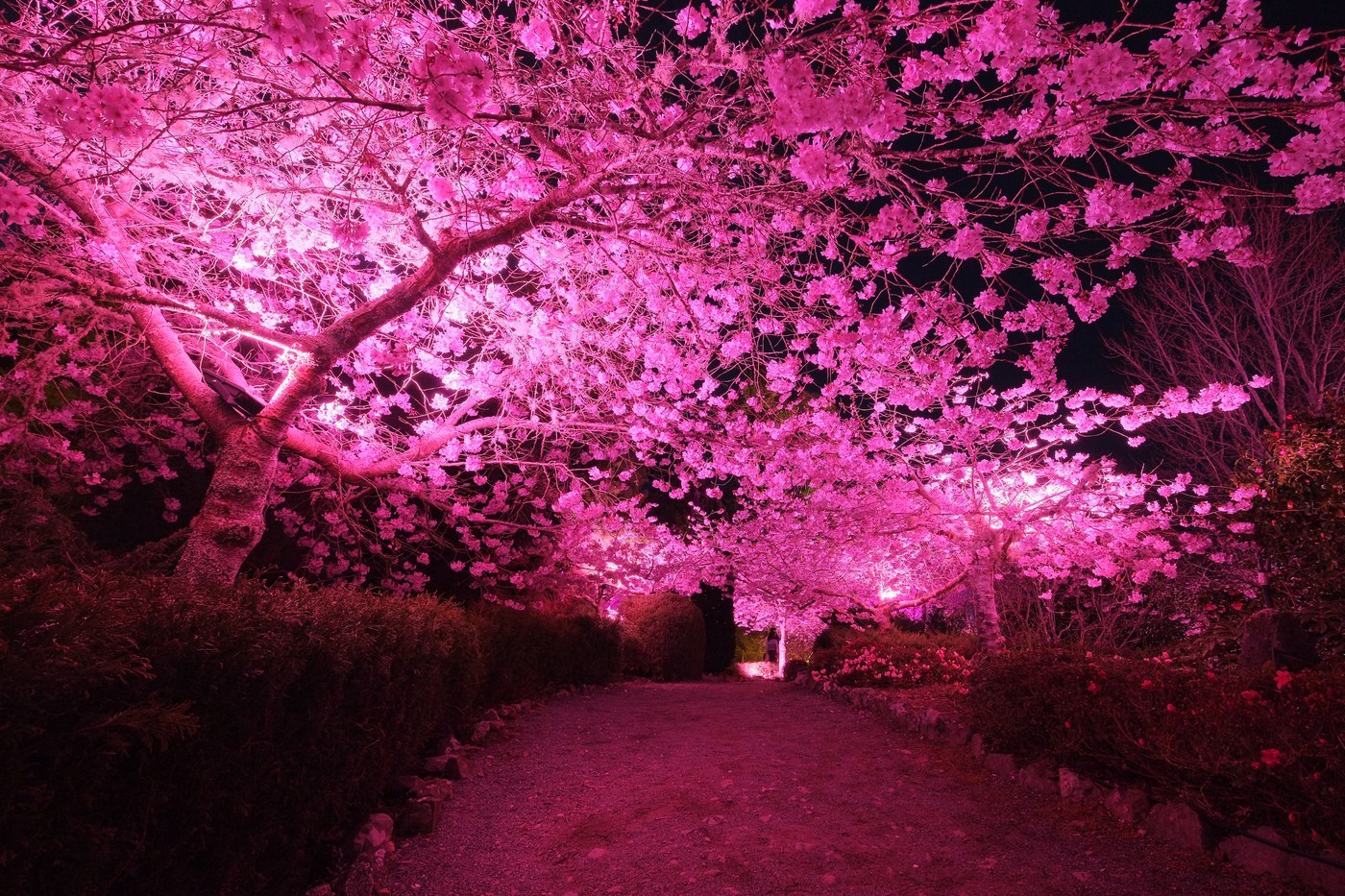
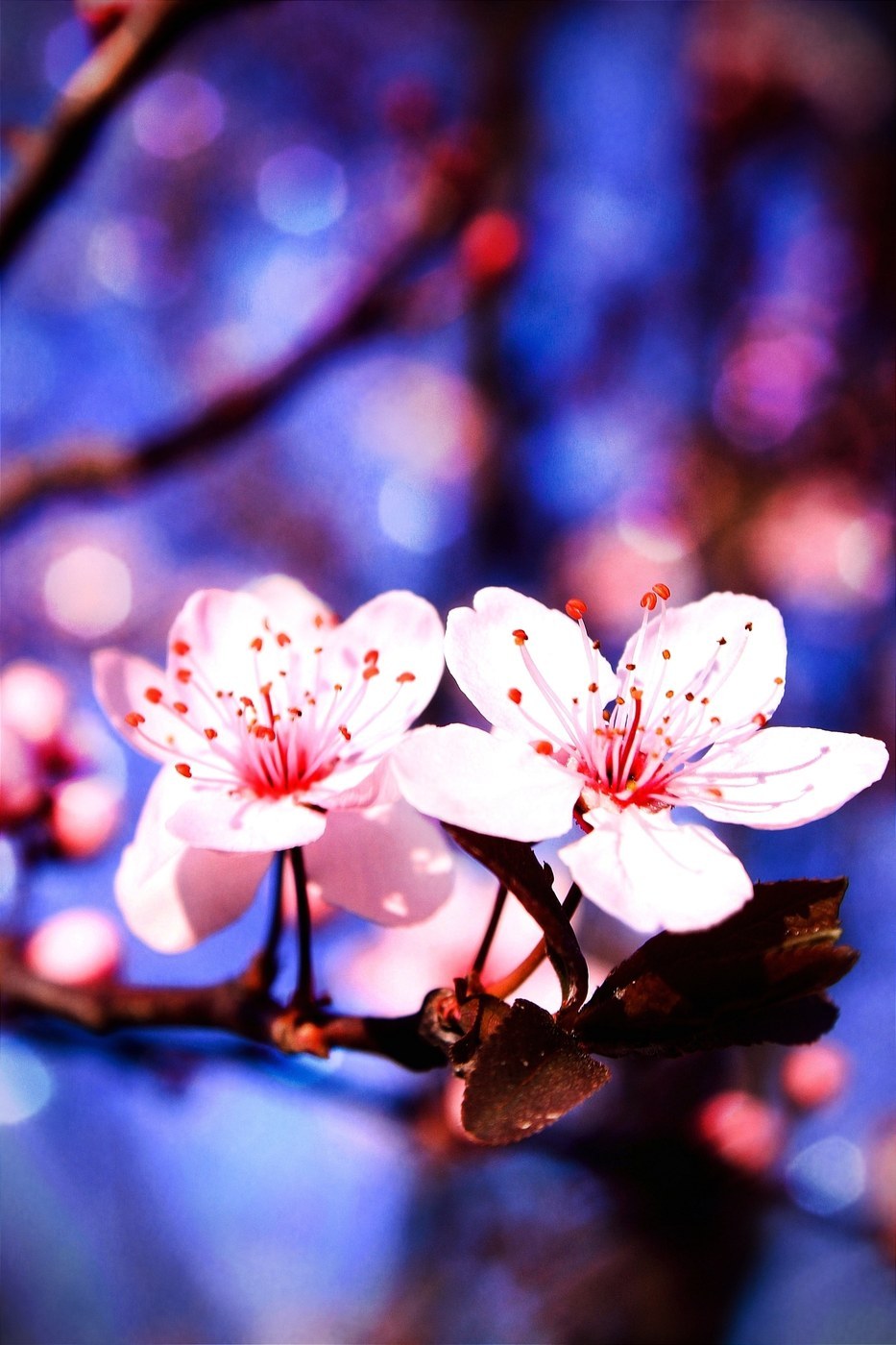
In early spring, often before most other trees leaf out, it is covered with delicate five-petalled flowers in white or soft pink. The most popular cultivars, such as 'Nigra' and 'Pissardii', have striking dark purple to burgundy foliage that holds its color through summer.
Small plum-like fruits may follow the flowers. Compact, fast-growing, and adaptable, the flowering plum is a go-to tree for adding seasonal interest and foliage contrast to smaller landscapes.
How to identify it
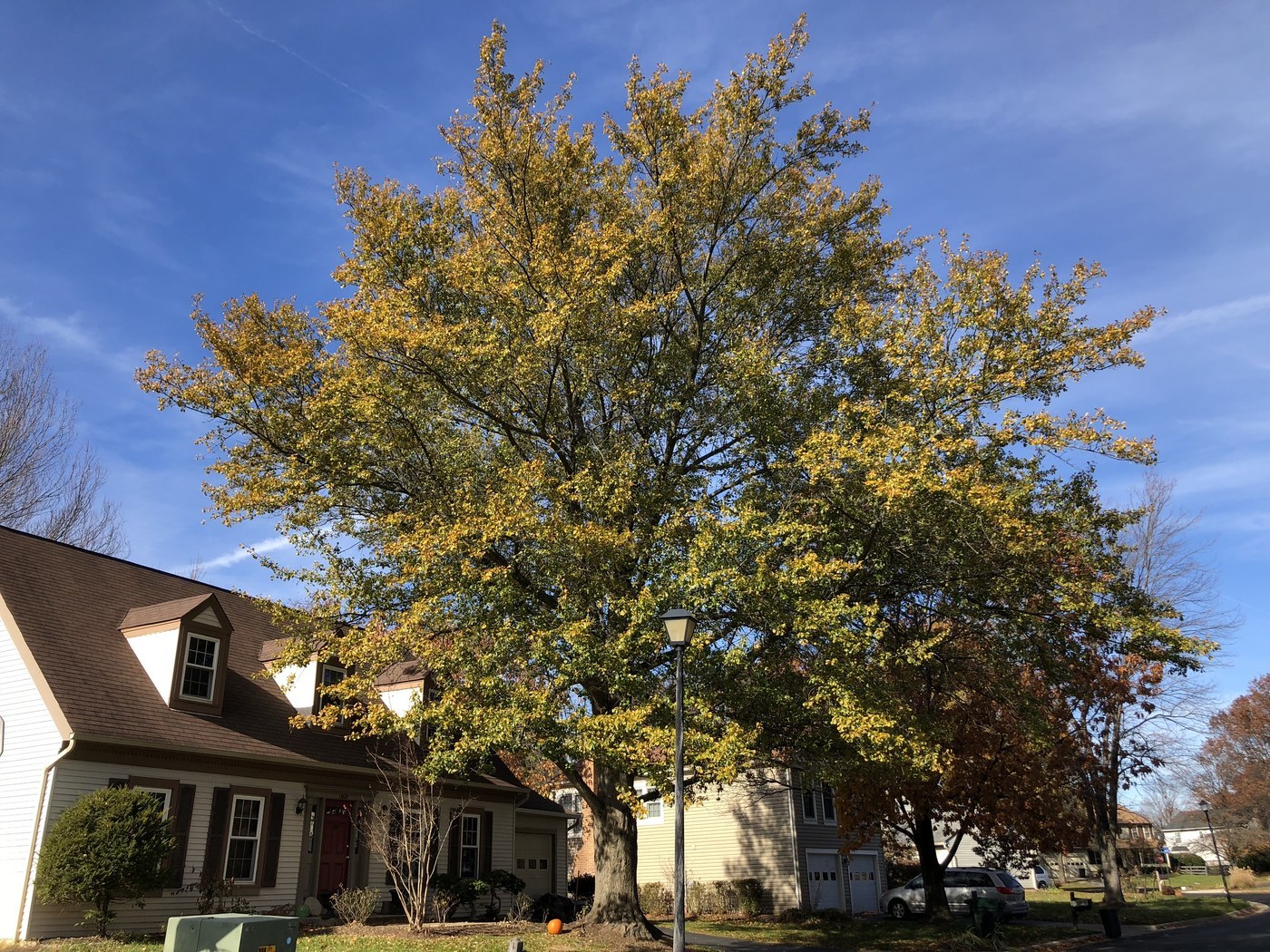
A small, rounded deciduous tree typically 4-8 m tall.
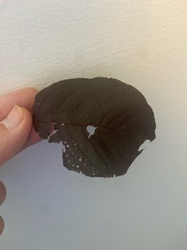
- Leaves: oval, finely toothed; green in the species but deep purple to burgundy in popular cultivars
- Flowers: small, five-petalled, white to pink blooms in very early spring, often before the leaves
- Fruit: small, round, red to yellow plum-like fruits (cherry plums) about 2-3 cm across
- Bark: dark grey-brown, smooth on young branches
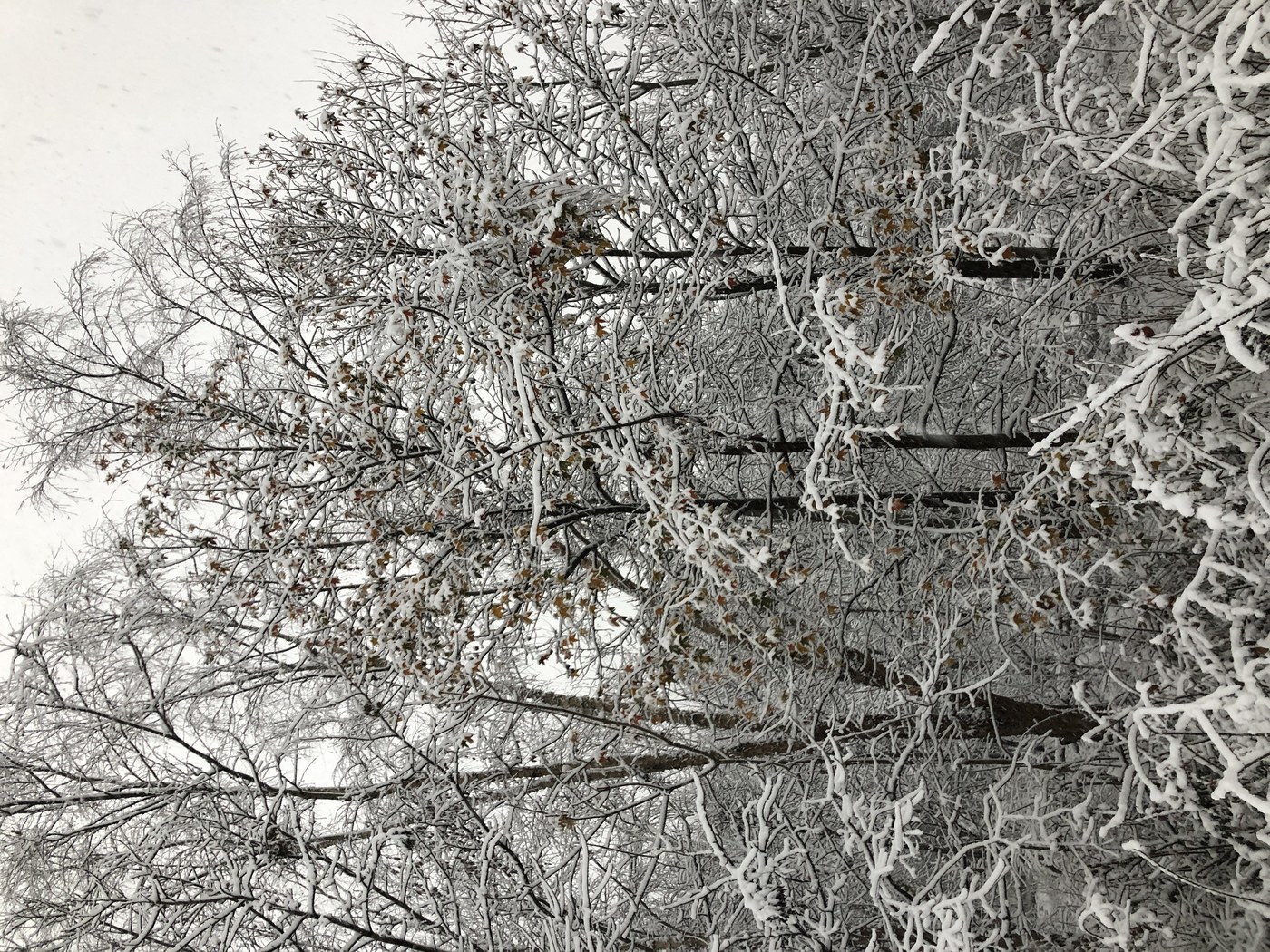
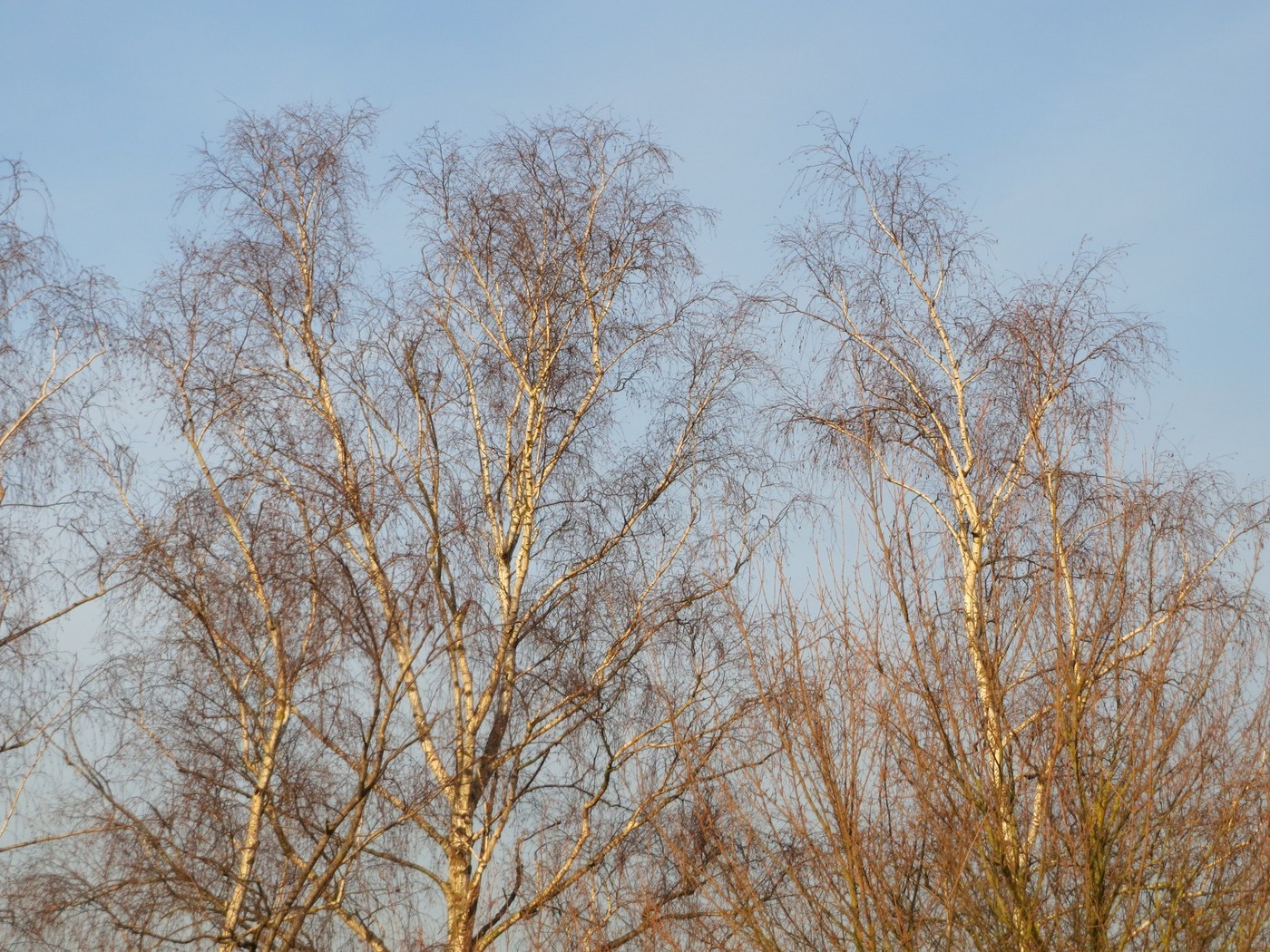
- Habit: dense, rounded crown, fast-growing and relatively short-lived
Care & growing
An easy, fast-growing ornamental for sunny sites.
- Light: full sun, essential for the best purple leaf color and flowering
- Water: moderate; keep evenly moist, especially when young
- Soil: adaptable to most well-drained soils
- Temperature: hardy in zones 4-8
- Feeding: light annual feeding supports growth
- Propagation: species from seed; named purple-leaf cultivars are propagated by cuttings or grafting. Prune after flowering; watch for common Prunus pests and diseases
Habitat & origin
Native to a region spanning the Balkans, the Caucasus, and central and western Asia, where it grows in woodland and scrub.
Widely planted across temperate regions worldwide as an ornamental street and garden tree, and naturalized in parts of Europe and North America. The species is also a parent of cultivated plums.
Frequently asked questions
Why are the leaves purple?
Popular cultivars such as 'Nigra' and 'Pissardii' have been selected for deep burgundy-purple foliage; the wild species has green leaves.
How long do flowering plums live?
They are relatively short-lived ornamental trees, often around 20 years, and can be prone to pests and diseases common to Prunus.
When does it bloom?
It is one of the earliest spring-flowering trees, often blooming before or just as its leaves emerge.
Flowering Plum guides
In-depth guides for identifying, growing, and caring for Flowering Plum.
How to Care for Flowering Plum
Grow Prunus cerasifera, a spring-flowering ornamental tree with clouds of pink or white blossoms and, in many cultivars, rich purple foliage.
Flowering Plum Identification Guide
How to identify the Flowering Plum (purple-leaf plum) by its deep purple foliage, early pink-white blossom, and small dark ornamental fruit.
Flowering Plum identified by the community
Real specimens identified with Plant Identifier.