Flowering Plum Identification Guide
How to identify the Flowering Plum (purple-leaf plum) by its deep purple foliage, early pink-white blossom, and small dark ornamental fruit.
Read the full Flowering Plum encyclopedia entry →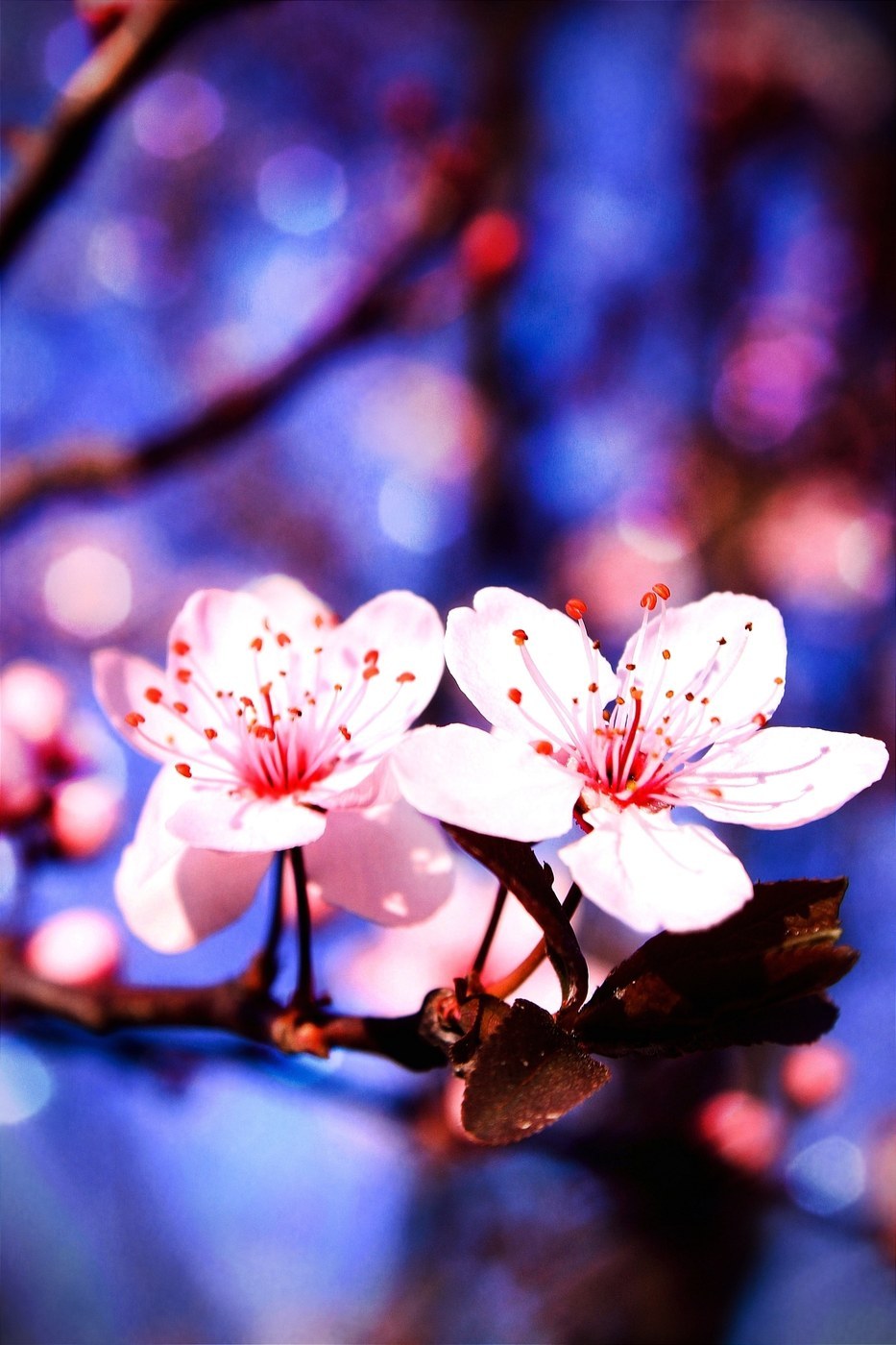
Key Identifying Features
The Flowering Plum, most often the purple-leaf plum (Prunus cerasifera 'Atropurpurea'/'Pissardii' and related cultivars), is a popular ornamental tree recognized by its dark reddish-purple leaves and early clouds of pale pink to white blossom.
- Deep purple to burgundy foliage all season (in colored-leaf cultivars)
- Early-spring single five-petaled flowers in pink to white
- Small round red-to-purple plums (when produced)
- Rounded, twiggy small tree, typically 5-9 m tall
Leaves & Stems
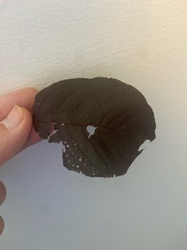
Leaves are alternate, simple, oval to elliptical (3-7 cm), with finely toothed margins and a pointed tip. In the popular purple-leaf forms they emerge rich reddish-purple and hold the color through summer, often deepening to bronze-purple; green-leaved flowering plums also exist. The leaf surface is smooth, and a useful Prunus clue is small glands near the leaf base on the stalk.
Twigs are slender and dark; young bark is reddish-brown and glossy with horizontal lenticels (breathing pores) typical of cherries and plums. The crown is rounded and densely twiggy.
Flowers & Fruit
- Flowers appear very early (late winter to early spring), usually before or with the leaves, scattered singly or in small clusters along the twigs. Each is a single (5-petaled) blossom about 2-2.5 cm wide, pale pink fading to near white (deeper pink in some cultivars), with a tuft of stamens. The bloom is brief but profuse.
- Fruit, when set, is a small round plum 2-3 cm across, ripening red to dark purple, often sparse on ornamental clones. Many garden cultivars fruit lightly or not at all.
How to Tell It Apart from Look-Alikes
- Flowering Cherry (Prunus serrulata) often has flowers in stalked clusters and frequently double (many-petaled) blooms, green leaves, and no purple foliage; flowering plum blooms are usually single and earlier, and the purple-leaf forms are unmistakable.
- Flowering Peach has larger flowers and lance-shaped (long, narrow) leaves, versus the plum's broader oval leaves.
- Purple-leaf forms of plum are the easiest tell — few other small trees combine dark purple leaves with early pink blossom.
Where You'll Find It
A cultivated ornamental derived from the cherry plum of western Asia and the Balkans, the flowering plum is planted worldwide as a street, garden, and feature tree in temperate climates, valued for its early bloom and contrasting dark foliage. It tolerates a range of soils in full sun.
Quick ID Checklist
- Dark reddish-purple leaves (in the common purple-leaf cultivars)
- Early single pink-to-white five-petaled flowers, often before leaves
- Small round red/purple plums (sometimes sparse)
- Glossy reddish bark with horizontal lenticels; small gland(s) on leaf stalk
- Rounded, twiggy small ornamental tree
Frequently asked questions
What makes the leaves purple?
The common ornamental forms are selected cultivars of the cherry plum bred for high anthocyanin pigment, which colors the foliage deep reddish-purple all season. Wild and some garden flowering plums have ordinary green leaves.
How do I tell a flowering plum from a flowering cherry?
Flowering plum usually has single (five-petaled) flowers that open very early, often before the leaves, and the popular forms have purple foliage. Flowering cherries tend to bloom slightly later with clustered, often double flowers and green leaves.
When does the flowering plum bloom?
It is one of the earliest ornamentals to flower, typically in late winter to early spring, with the blossom often appearing before or just as the dark leaves emerge.
Flowering Plum identified by the community
Recent Flowering Plum specimens identified with Plant Identifier.