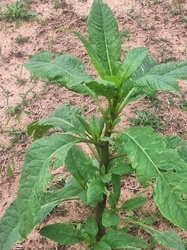
How to Care for Flowering Tobacco
Grow fragrant, star-shaped flowering tobacco with sun to part shade, steady moisture, and rich, well-drained soil.
Read the full Flowering Tobacco encyclopedia entry →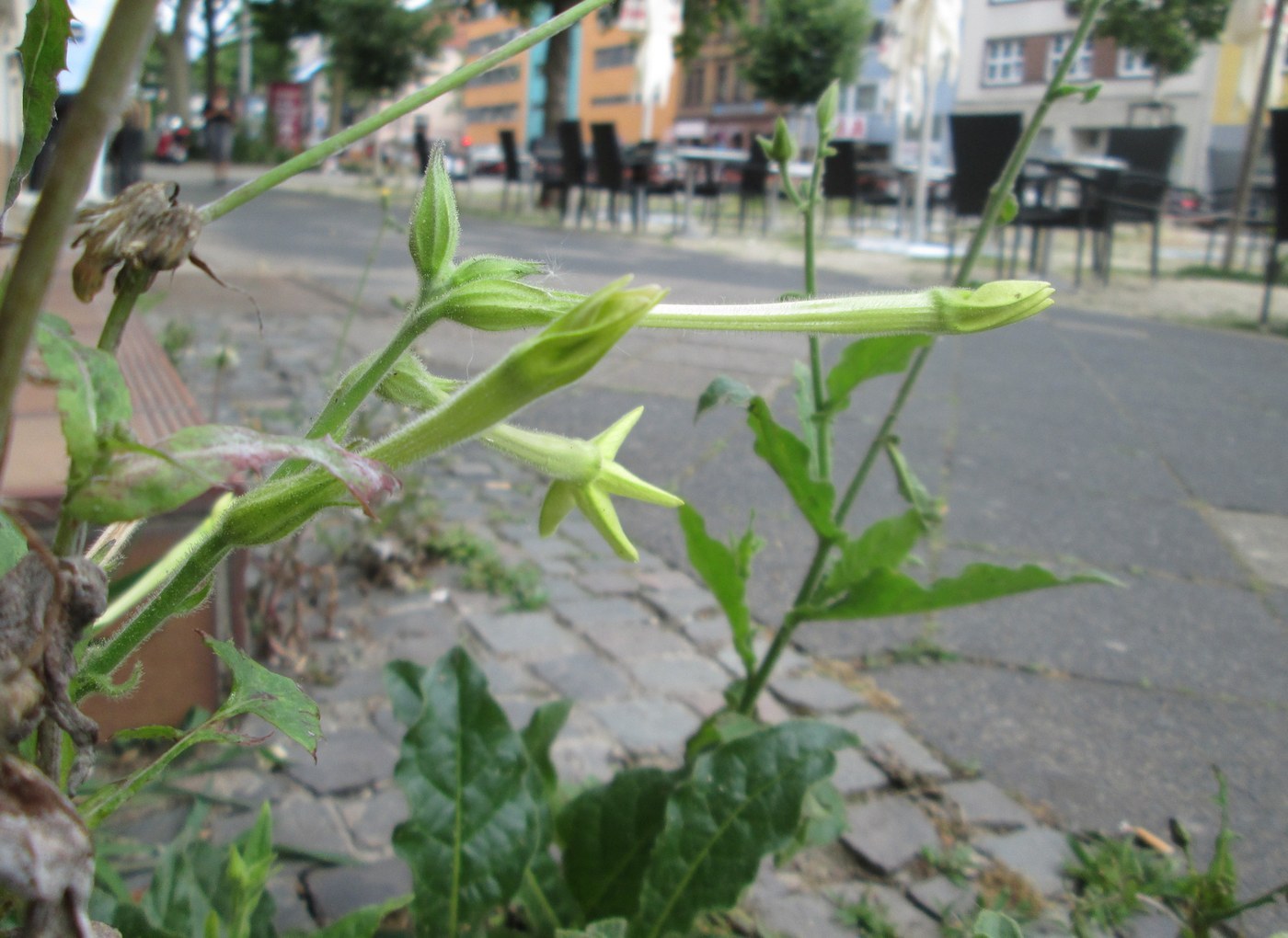
Flowering Tobacco (Nicotiana alata) is an easy ornamental grown for its clusters of tubular, star-shaped blooms that often release a sweet perfume in the evening. Fast and forgiving from seed, it brings soft color and fragrance to beds, borders, and containers all season.
Light
Flowering tobacco grows well in full sun to part shade. Full sun yields the most abundant flowering, while a little afternoon shade is welcome in hot climates and helps prevent the plants from wilting in intense heat. Some of the taller, night-scented types tolerate and even appreciate light shade.
Water
Keep the soil evenly moist. Flowering tobacco likes steady moisture and does not tolerate prolonged drought, which causes wilting and stalls blooming. Water regularly, especially in summer heat and for container plants, but avoid waterlogging. A layer of mulch helps keep the root zone consistently damp between waterings.
Soil & Potting
Provide rich, fertile, well-drained soil with plenty of organic matter and a roughly neutral pH. The plant is adaptable but rewards good soil with more vigorous growth and heavier flowering. In containers, use a quality potting mix that holds moisture yet drains freely, and choose pots large enough to keep roots from drying out too quickly.
Humidity & Temperature
A warm-season annual in most climates, flowering tobacco thrives in the heat of summer and is damaged by frost. It enjoys warm days and mild nights and appreciates average to slightly humid conditions. In frost-free regions it can persist for more than one season, but elsewhere it is grown fresh each year from seed.
Feeding
Feed regularly for the best display. Work compost into the bed at planting and apply a balanced liquid fertilizer every few weeks through the growing season, or use a slow-release feed. Container plants especially benefit from steady feeding since nutrients leach out with frequent watering. Avoid excessive nitrogen, which favors foliage over flowers.
Propagation
Flowering tobacco is grown easily from seed. The seeds are tiny and need light to germinate, so surface-sow them and press them gently onto the soil without covering. Start indoors six to eight weeks before the last frost, then transplant after danger of frost has passed. Plants often self-seed in the garden, returning on their own the following year.
Repotting / Pruning
Deadhead spent flowers regularly to encourage continuous bloom and to keep the plant tidy. Pinch young plants to promote bushier growth, and cut back leggy stems mid-season to rejuvenate flowering. Taller varieties may need staking in windy sites. Container plants rarely need repotting within a single season, as they are typically grown as annuals.
Common Problems & Pests
Aphids, flea beetles, and whiteflies are the most common pests and can be managed with insecticidal soap or a strong water spray. Tobacco hornworms and other caterpillars may chew the foliage and are handpicked off. Watch for fungal issues such as downy mildew and leaf spots in wet, crowded conditions, and improve airflow and avoid overhead watering to prevent them.
Seasonal Care Tips
In spring, start seeds indoors or sow after frost, and set out transplants once the soil warms. Through summer, water consistently, feed regularly, and deadhead often to keep the flowers coming. In late summer, allow some flowers to set seed if you want volunteers next year. In fall, plants decline with the first frosts; pull spent annuals and clear debris to reduce overwintering pests.
Frequently asked questions
Why isn't my flowering tobacco blooming much?
Usually too little sun, too much nitrogen fertilizer, or infrequent deadheading. Give it more sun, use a balanced feed, and remove spent flowers regularly to keep blooms coming.
Does flowering tobacco come back every year?
In most climates it is grown as a warm-season annual killed by frost, but it often self-seeds and returns on its own. In frost-free areas it can persist for more than one season.
How do I start flowering tobacco from seed?
The seeds need light to germinate, so surface-sow them and don't cover them. Start indoors six to eight weeks before the last frost and transplant after frost danger passes.
Why is my flowering tobacco wilting?
It dislikes drought and wilts when the soil dries out, especially in heat or in containers. Keep the soil evenly moist and mulch to hold moisture; it usually perks back up after watering.
Flowering Tobacco identified by the community
Recent Flowering Tobacco specimens identified with Plant Identifier.