
How to Care for Foamflower
Grow Tiarella cordifolia, a woodland shade perennial with airy white flower spikes and lobed leaves, with this easy care guide.
Read the full Foamflower encyclopedia entry →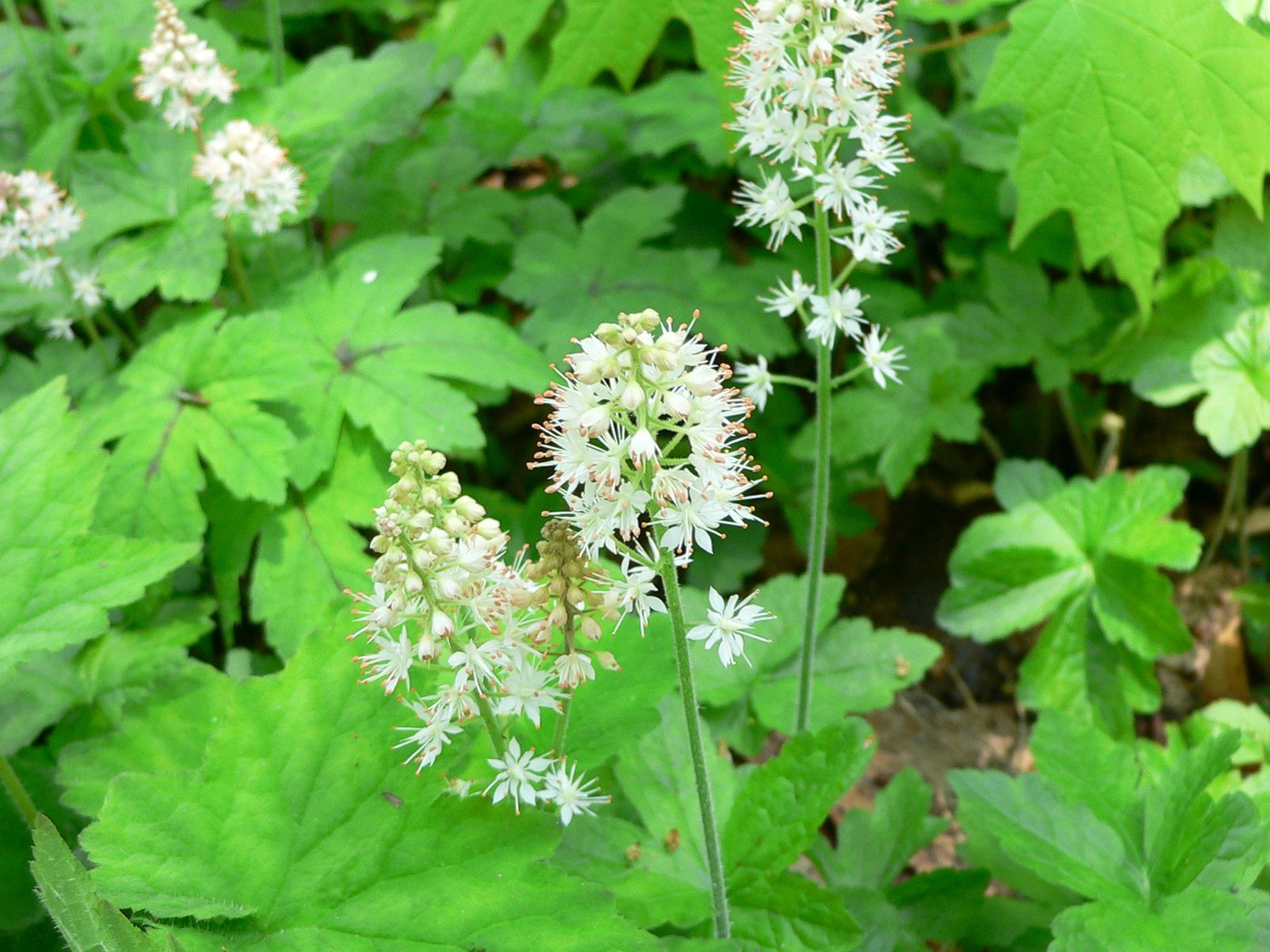
Foamflower (Tiarella cordifolia) is a low-growing woodland perennial prized for its frothy spires of tiny star-shaped flowers in spring and its handsome, often maroon-veined lobed foliage. It is an easygoing ground cover for shady gardens that mimics the cool, humus-rich floor of an eastern deciduous forest.
Light
Foamflower thrives in part to full shade, which suits its natural home beneath the woodland canopy. Dappled morning light or bright open shade produces the fullest foliage and strongest bloom. Avoid hot midday and afternoon sun, which scorches leaf edges and causes wilting. In deep shade it still grows well but may flower a little less freely.
Water
Keep the soil evenly moist at all times, especially during the first season while plants establish and through summer heat. Foamflower has shallow roots that dry out quickly, so water regularly during dry spells and never let the ground bake hard. A steady, consistent moisture level gives the best results; brief drought causes the leaf margins to brown.
Soil & Potting
Use a rich, loose, humus-heavy soil that drains well yet holds moisture, ideally slightly acidic to neutral. Amend garden beds generously with leaf mold or compost to recreate a forest-floor tilth. In containers, a peat- or bark-based mix blended with compost works well. A yearly topdressing of leaf litter or fine compost keeps the shallow root zone cool and nourished.
Humidity & Temperature
Foamflower prefers cool, humid woodland conditions and is fully hardy through cold winters (roughly USDA zones 3-8). It resents prolonged heat and dry air, which can stall growth. In hot-summer climates, site it in cooler north- or east-facing shade and keep humidity up with mulch and nearby plantings.
Feeding
This is a light feeder. A spring topdressing of compost or a single dose of balanced, slow-release fertilizer as growth resumes is usually all it needs. Rich woodland soil supplies most nutrients, so avoid heavy feeding, which can produce lush leaves at the expense of flowers.
Propagation
Foamflower spreads readily and is easily divided. Lift clumps in early spring or autumn and pull apart the crowns, each with roots attached, then replant immediately at the same depth. Many forms also send out short runners (stolons) that root where they touch soil; these can be severed and moved. Fresh seed can be surface-sown but division is faster and truer.
Repotting / Pruning
Container plants can be divided and refreshed every couple of years when they outgrow their pot. Little pruning is needed: remove spent flower spikes after bloom to tidy the plant, and clear away any tattered or winter-damaged leaves in early spring so new growth emerges cleanly.
Common Problems & Pests
Foamflower is generally trouble-free. The main issues stem from dryness and too much sun, which cause leaf scorch and wilting. Slugs and snails may chew young foliage in damp shade; hand-pick or use barriers. In poorly drained, waterlogged soil the crown can rot, and powdery mildew or rust may appear where air movement is poor.
Seasonal Care Tips
In spring, clean up old foliage and topdress with compost as new leaves and flower spikes emerge. Through summer, prioritize consistent moisture and a cool root run with mulch. In autumn, let fallen leaves accumulate as natural insulation or add a fresh leaf-mold mulch. Foamflower is often semi-evergreen, holding attractive foliage into winter in milder zones; simply tidy any battered leaves the following spring.
Frequently asked questions
How much sun does foamflower need?
It grows best in part to full shade with dappled or morning light. Protect it from hot afternoon sun, which scorches the leaves and causes wilting.
Why are my foamflower leaf edges turning brown?
Browning margins usually mean the soil dried out or the plant is getting too much direct sun. Keep the soil evenly moist and move it into cooler shade.
How do I propagate foamflower?
Divide clumps in spring or fall, replanting each rooted crown, or detach the runners it sends out where they have rooted into the soil.
Is foamflower evergreen?
It is often semi-evergreen, keeping some foliage through winter in milder climates. Tidy any worn leaves in early spring as fresh growth begins.
Does foamflower spread?
Yes. It forms slowly spreading colonies by runners and self-division, making it an excellent shade ground cover that is easy to keep in bounds.