
How to Care for Foxtail Pine
Foxtail Pine is a slow-growing, high-altitude conifer demanding full sun, sharp drainage, and patience from dedicated growers.
Read the full Foxtail Pine encyclopedia entry →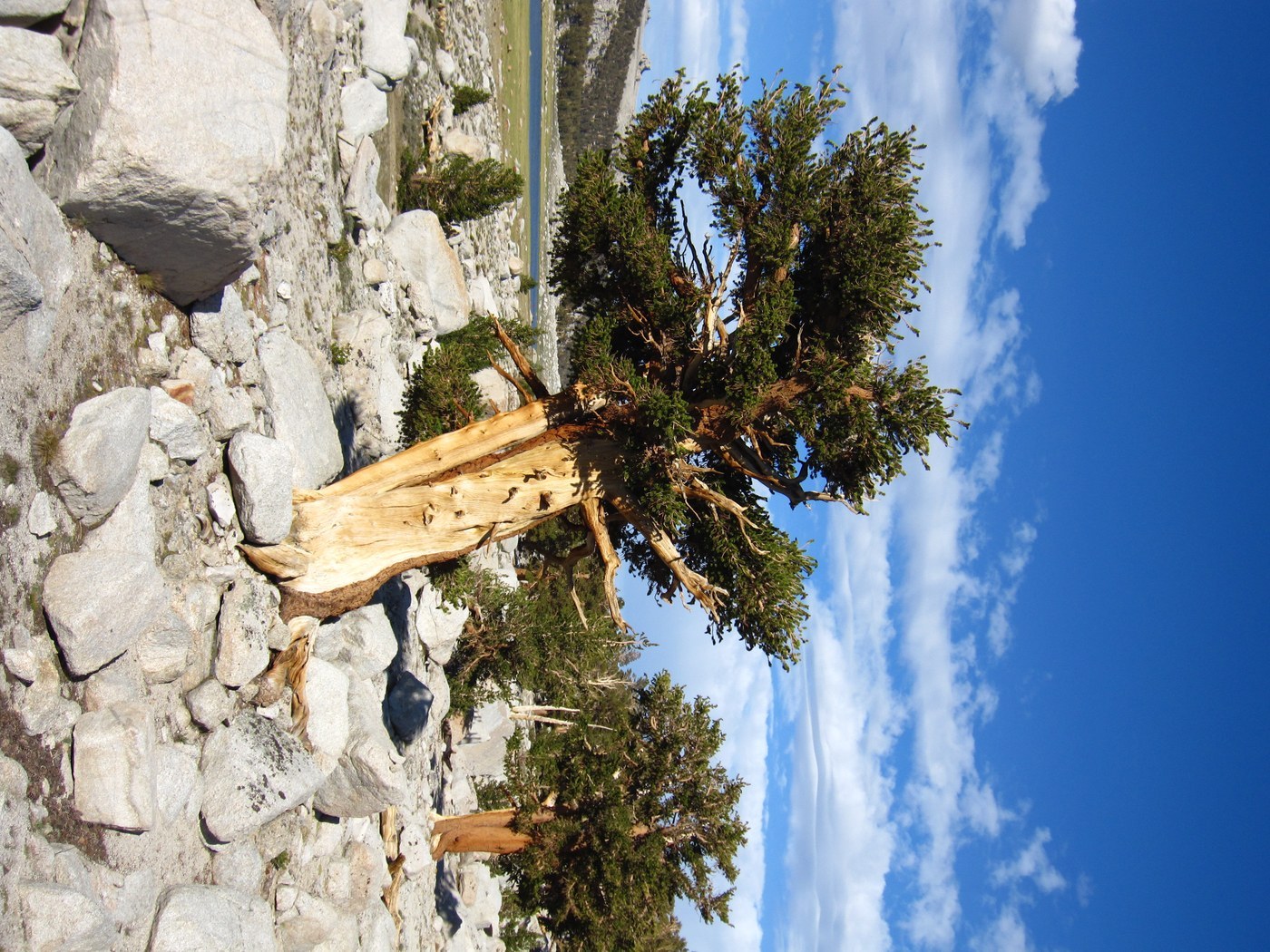
Pinus balfouriana, the Foxtail Pine, is a rare, extremely long-lived high-elevation conifer native to California's mountains. Its dense, bottlebrush foliage and rugged character make it a prized specimen, but its exacting needs make it a challenging plant reserved for committed growers.
Light
Foxtail Pine demands full sun, at minimum six to eight hours of direct light daily. As a species of exposed, high-altitude ridges, it will not tolerate shade, which causes weak, sparse, and unhealthy growth. Give it the brightest, most open position available with no crowding from other plants or structures.
Water
This pine is very drought-tolerant and requires low water once established. It is adapted to thin mountain soils and dry summers, so it strongly resents wet feet. Water young trees occasionally to establish deep roots, then rely largely on natural rainfall. Overwatering and poor drainage are the fastest ways to kill it. Always allow the soil to dry substantially between waterings.
Soil & Potting
Sharp, fast drainage is essential. Foxtail Pine grows naturally in rocky, gritty, nutrient-poor mineral soils. Use a very well-draining, gravelly or sandy medium, and avoid heavy, rich, or moisture-retentive soils that cause root rot. A slightly acidic to neutral pH suits it. In containers or bonsai culture, use a coarse, free-draining inorganic mix and a pot with excellent drainage.
Humidity & Temperature
Accustomed to cold, high-elevation climates, Foxtail Pine is very cold-hardy and prefers cool conditions with cool nights. It struggles in hot, humid lowland climates, which are a common cause of failure. Provide excellent air circulation and avoid stagnant, muggy conditions. It has no need for added humidity and does best where summers are dry and nights cool.
Feeding
Feed very sparingly, if at all. This pine is adapted to lean, infertile soils and rich feeding harms rather than helps it. A light application of a low-strength, slow-release conifer fertilizer in spring is sufficient for container specimens. Trees in the ground generally need no supplemental fertilizer.
Propagation
Propagate from seed, which typically requires cold, moist stratification to break dormancy before sowing. Germination can be slow and erratic, and seedlings grow very slowly, reflecting the species' extreme longevity. Patience is essential. Cuttings are difficult to root, so seed is the standard method for this pine.
Repotting / Pruning
Growth is extremely slow, so repotting is infrequent; refresh container specimens every few years in early spring, taking care with the root system. Pruning needs are minimal in the landscape; remove only dead or damaged branches. For bonsai, careful candle-pinching and selective pruning during the growing season shape the tree without stressing it.
Common Problems & Pests
The most common causes of decline are overwatering, poor drainage, and excessive heat or humidity, all of which lead to root rot and dieback. Watch for typical conifer pests such as bark beetles, aphids, and scale, and for fungal needle diseases in overly damp conditions. Good drainage, full sun, and air movement prevent most problems.
Seasonal Care Tips
In spring, resume light watering and any minimal feeding as growth slowly resumes. Through summer, keep it in full sun and water sparingly, letting the soil dry between waterings. In fall and winter, reduce watering further; the tree is very cold-hardy and benefits from cool dormancy. Protect container roots from prolonged hard freezes.
Frequently asked questions
Why is Foxtail Pine considered hard to grow?
It is a high-altitude specialist that needs full sun, sharp drainage, cool nights, and dry conditions. It resents heat, humidity, and wet soil, so replicating its mountain habitat outside its native range is challenging.
How often should I water a Foxtail Pine?
Very infrequently once established. It is highly drought-tolerant and prone to root rot in wet soil, so let the soil dry substantially between waterings and rely largely on natural rainfall.
What kind of soil does Foxtail Pine need?
A very fast-draining, gritty, lean mineral soil. Avoid rich or moisture-retentive mixes; gravelly or sandy media that dry quickly best mimic its native rocky mountain habitat.
Can I grow Foxtail Pine in a hot climate?
It struggles in hot, humid lowland conditions and prefers cool, high-elevation climates with cool nights. In warm regions it is very difficult to keep healthy over the long term.