Foxtail Pine
Pinus balfouriana
Foxtail Pine is a long-lived, high-elevation pine of California, named for its dense bottlebrush-like foliage. A close relative of the bristlecone pines, it survives harsh alpine conditions for over a thousand years.
- Light
- Full sun
- Water
- Low; very drought-tolerant
- Difficulty
- Hard
Got a plant like this?
Identify any plant from a photo, free.
Overview
Foxtail Pine (Pinus balfouriana) is a rare, slow-growing pine endemic to the high mountains of California. It belongs to the bristlecone pine group and shares their remarkable longevity, with individuals living over 2,000 years.
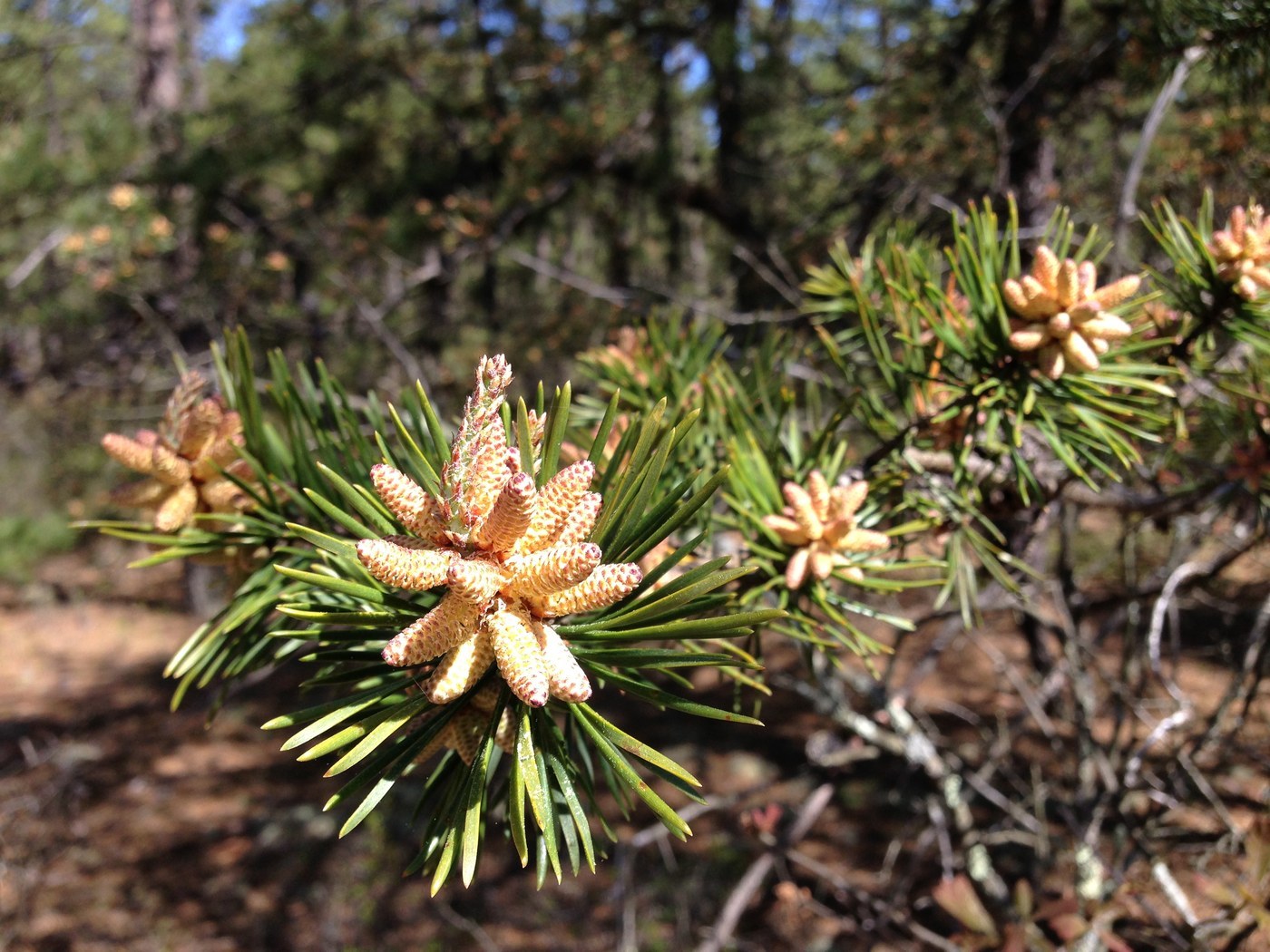
Its common name comes from the way its short needles densely clothe the branch ends, giving them a bushy, foxtail-like appearance. It grows at and near the treeline in two disjunct populations.
How to identify it
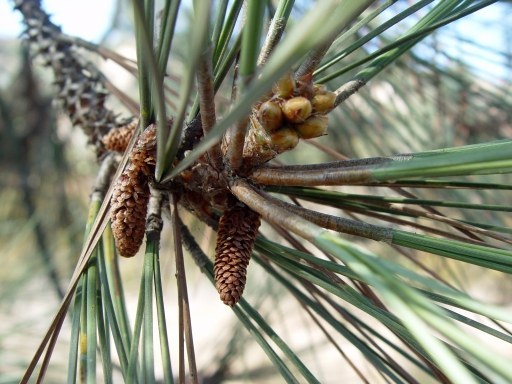
- Needles: Short, 2-4 cm, in bundles (fascicles) of five, densely packed and persisting many years, clothing the shoots in a bottlebrush 'foxtail' arrangement
- Cones: Cylindrical to egg-shaped cones 6-11 cm, purplish when young ripening brown, with small prickles (less prominent than bristlecone)
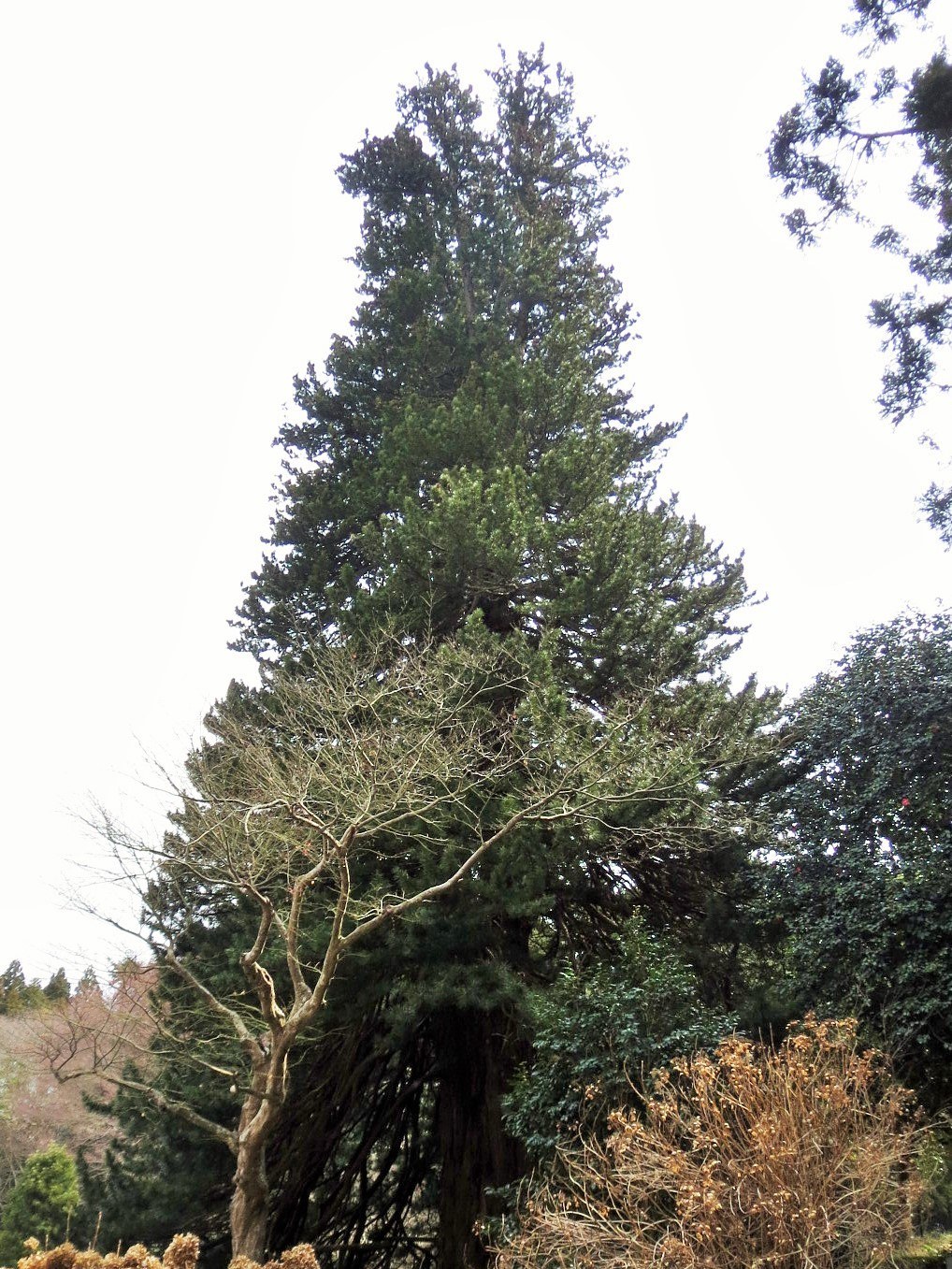
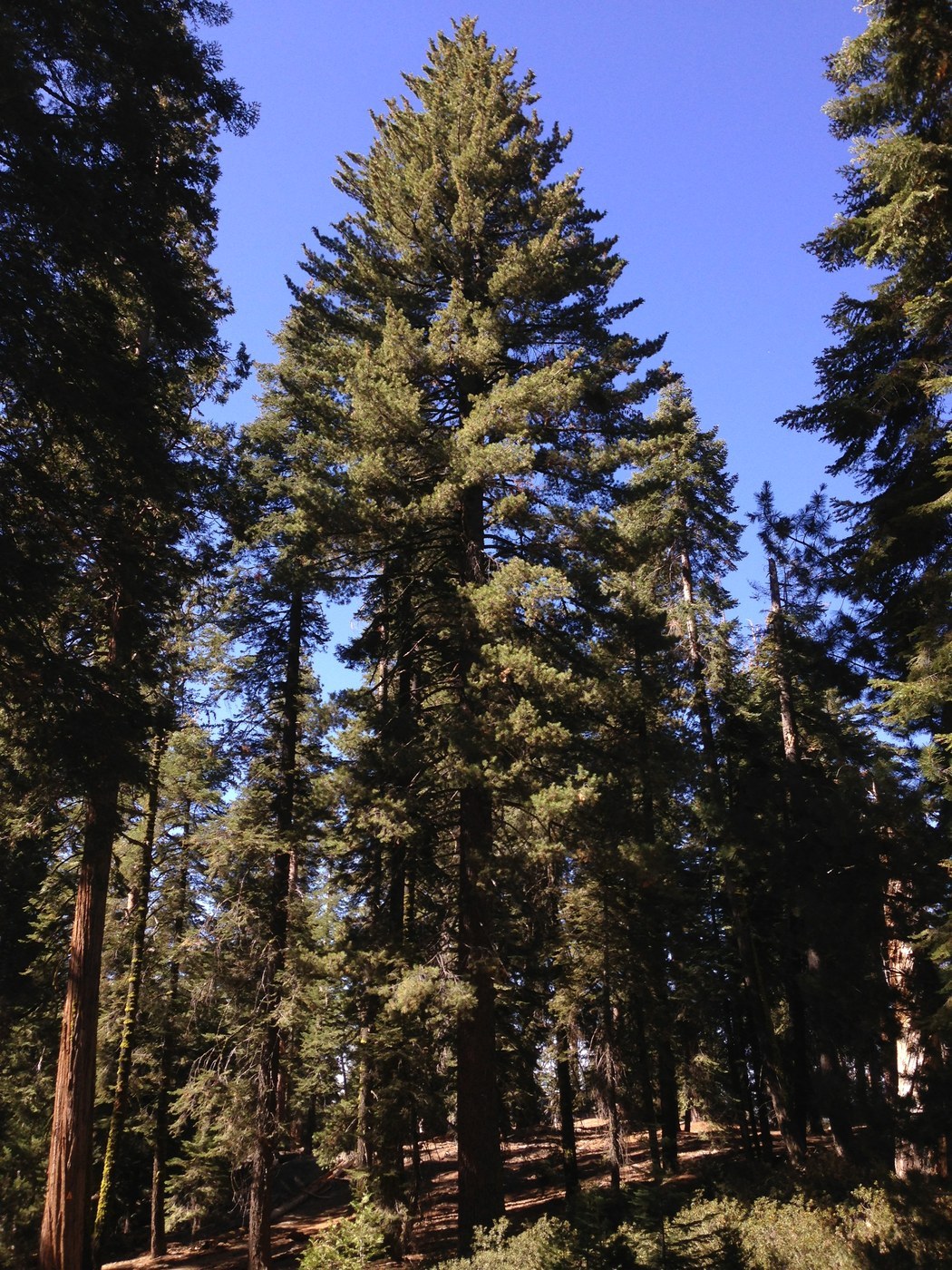
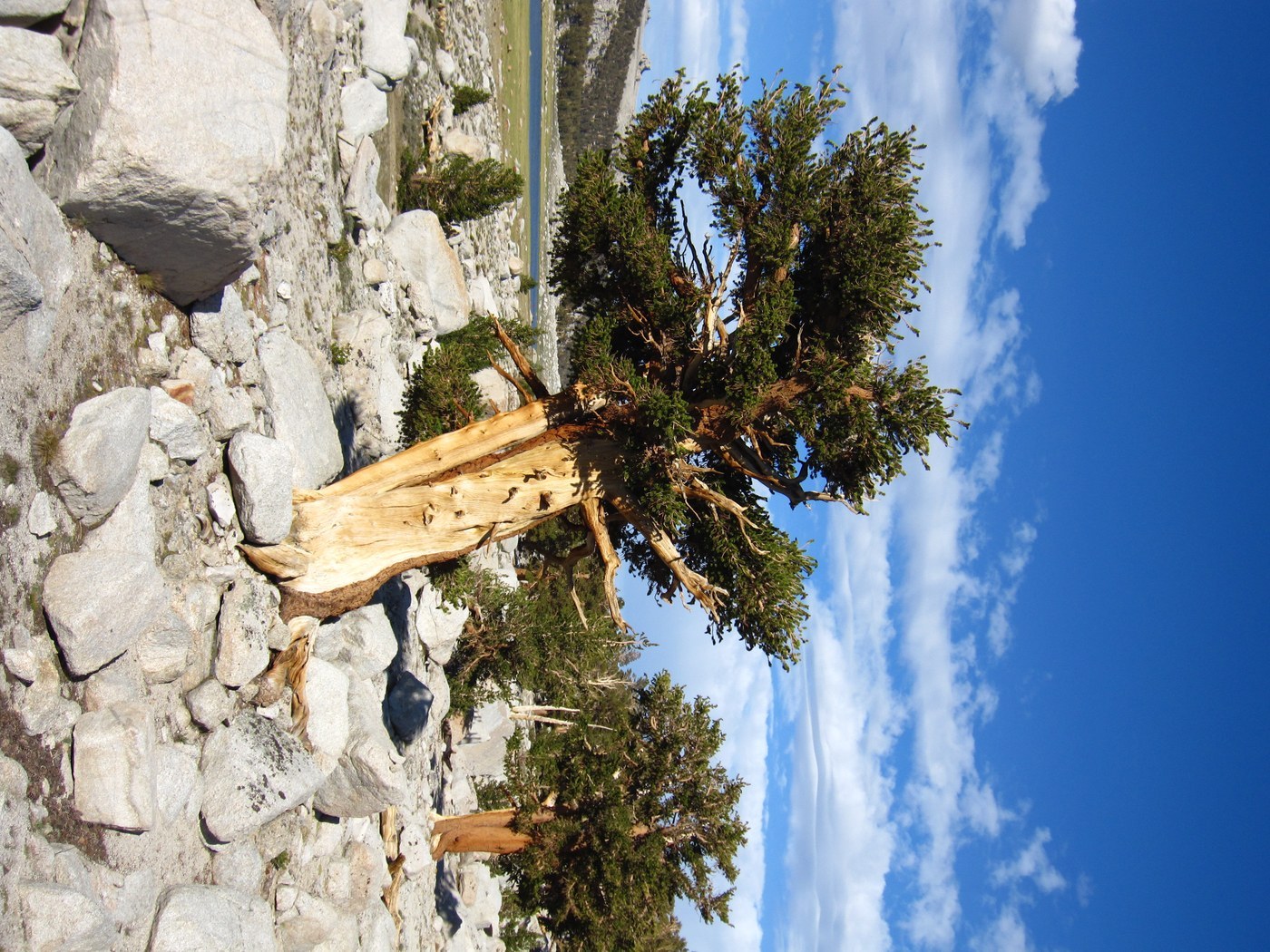
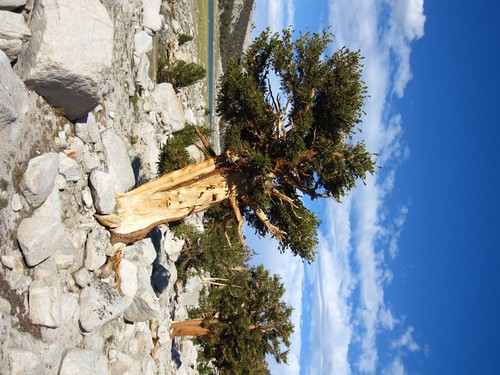
- Habit: Gnarled, picturesque, slow-growing tree 10-15 m, becoming twisted and weathered at high elevation
- Bark: Reddish, furrowed in older trees
- Foxtail-like branch tips and five-needle fascicles in California's high country are diagnostic
Care & growing
Light: Full sun.
Water: Very drought-tolerant; needs excellent drainage and little supplemental water.
Soil: Lean, rocky, well-drained alpine and subalpine soils; intolerant of rich or wet ground.
Temperature: Adapted to harsh cold, wind, and intense sun at high elevation; hardy but difficult outside its niche.
Feeding: None; it is adapted to nutrient-poor sites.
Propagation: From seed; extremely slow-growing and rarely cultivated.
Habitat & origin
Endemic to California, in two separated populations: the southern Sierra Nevada and the Klamath Mountains of the north. It grows in subalpine and treeline zones, typically between 1,500 and 3,700 m, on rocky, exposed slopes.
It forms open, weather-sculpted stands in some of the harshest high-mountain environments, often where few other trees can survive.
Frequently asked questions
How long do foxtail pines live?
They are extremely long-lived, with some individuals exceeding 2,000 years, in keeping with their bristlecone-pine relatives.
Why is it called foxtail pine?
Its short needles persist densely along the branch tips, giving them a bushy, bottlebrush appearance like a fox's tail.
Is it related to the bristlecone pine?
Yes. It is in the same subsection (the bristlecone/foxtail group) and shares great longevity and high-elevation adaptation.
Where can I see one?
In its native California high country, including the southern Sierra Nevada (e.g., Sequoia and Kings Canyon parks) and the Klamath Mountains.
Foxtail Pine guides
In-depth guides for identifying, growing, and caring for Foxtail Pine.
How to Care for Foxtail Pine
Foxtail Pine is a slow-growing, high-altitude conifer demanding full sun, sharp drainage, and patience from dedicated growers.
Foxtail Pine Identification Guide
How to identify foxtail pine (Pinus balfouriana) by its dense, foxtail-like five-needle shoots, short needles, and high-elevation Californian habitat. Covers needles, cones, bark, and look-alikes.