
How to Care for Franklin Tree
Grow the rare, temperamental Franklin Tree for late-summer white blooms in moist, acidic, superbly drained soil.
Read the full Franklin Tree encyclopedia entry →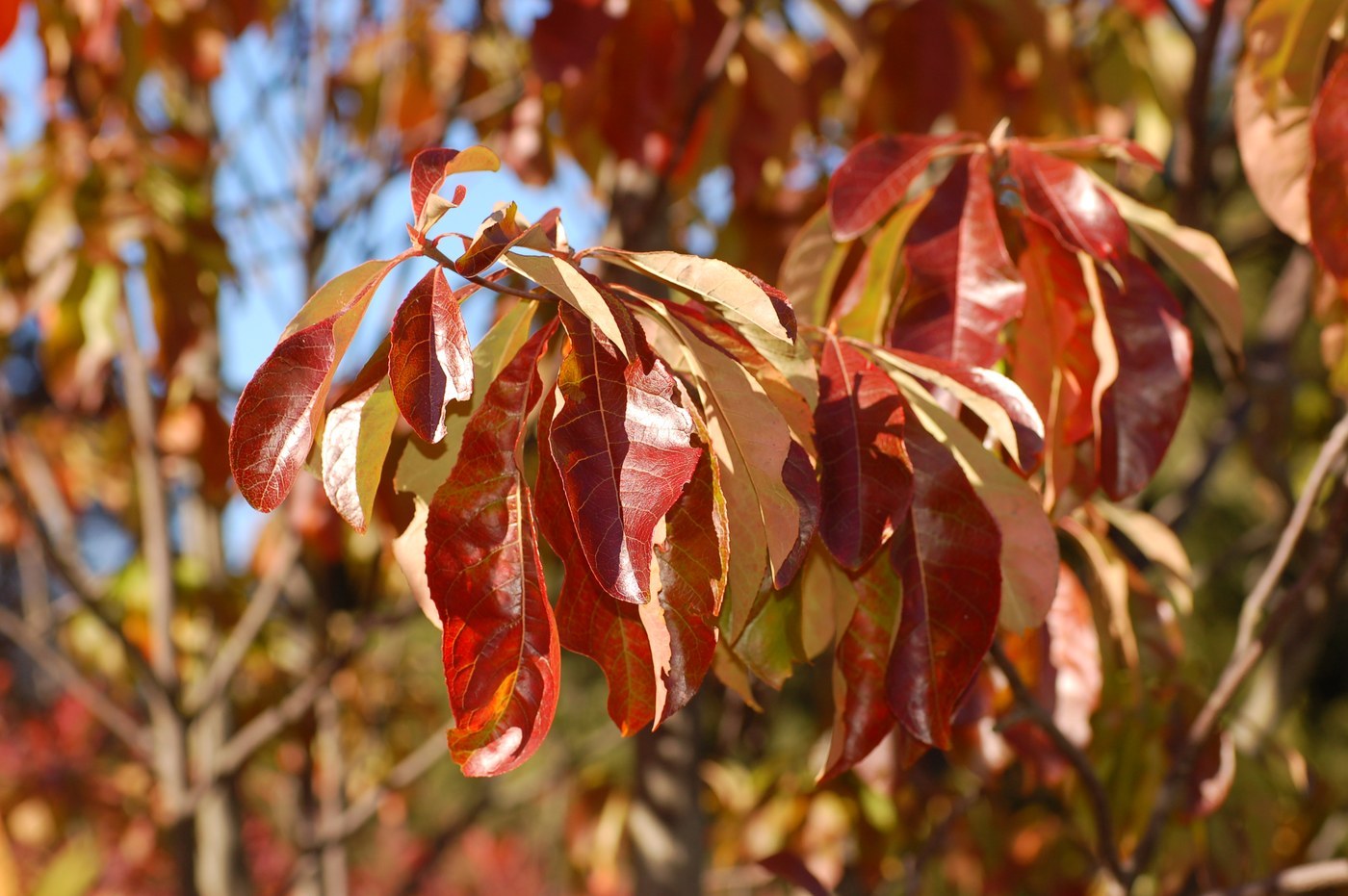
The Franklin Tree (Franklinia alatamaha) is a rare, elegant small tree famous for its fragrant, camellia-like white flowers in late summer and its brilliant red-orange fall color. Extinct in the wild, it survives only in cultivation and is notoriously finicky, making it a challenging but rewarding specimen for the dedicated gardener.
Light
Give it full sun to part shade. It flowers most heavily in full sun, but in hot regions light afternoon shade reduces stress. Ample light also improves the intensity of its autumn color. Whatever the exposure, shelter it from harsh, drying wind.
Water
Keep the soil consistently moist but never waterlogged; this is a delicate balance the Franklin Tree demands. Its roots are highly sensitive to both drought and standing water. Water regularly and deeply during dry weather, and mulch to conserve even moisture, but ensure the site drains freely so roots are never sitting wet.
Soil & Potting
Soil is the make-or-break factor. Franklinia requires rich, moist, acidic, and impeccably well-drained soil high in organic matter; heavy, alkaline, or poorly drained ground quickly leads to failure. Amend generously with compost, leaf mold, and peat or pine fines to acidify and lighten the soil. Plant in a raised bed if drainage is at all questionable.
Humidity & Temperature
It prefers temperate conditions with moderate humidity and struggles in extreme heat, humidity combined with poor drainage, or very cold, exposed sites. Choose a protected spot shielded from cold winter winds and late frosts. Consistent, moderate conditions suit it far better than extremes of any kind.
Feeding
Feed sparingly. An annual topdressing of compost and an acidic, slow-release fertilizer formulated for acid-loving plants in spring is sufficient. Avoid heavy or high-alkalinity fertilizers, which can shift soil pH and harm this sensitive tree. Steady soil health matters more than aggressive feeding.
Propagation
Propagate from softwood cuttings taken in early summer, treated with rooting hormone and kept under humid, warm conditions; rooting can be slow and uneven. Seed propagation is possible from the woody capsules but germination is erratic. Patience is essential, as young plants establish slowly.
Repotting / Pruning
Franklinia needs little pruning beyond removing dead, damaged, or crossing branches in late winter to maintain an open, healthy framework. It resents root disturbance, so plant it in its permanent spot young and avoid transplanting an established tree. Handle the roots gently whenever you must work near them.
Common Problems & Pests
The great nemesis is root rot (Phytophthora), driven by poor drainage and heavy soil, which is the usual cause of sudden decline. It is also sensitive to drought, wind, and heat stress. Because it lacks genetic diversity, it can be prone to fungal wilts. Excellent drainage, even moisture, and a sheltered site are the best defenses.
Seasonal Care Tips
In spring, topdress with compost and acidic fertilizer as growth begins. Through summer, keep the soil evenly moist and mulched, and enjoy the late-season blooms. In fall, savor the fiery foliage. In winter, protect young trees from cold wind and hard freezes with a sheltered site and mulch over the root zone.
Frequently asked questions
Why is the Franklin Tree so hard to grow?
It is extremely sensitive to soil and moisture. It needs rich, acidic, consistently moist yet perfectly well-drained soil, and it succumbs quickly to root rot in heavy or wet ground. Getting drainage and even moisture right is the main challenge.
What kind of soil does Franklinia need?
Rich, moist, acidic, and impeccably well-drained soil high in organic matter. Amend heavily with compost, leaf mold, and pine fines or peat, and plant in a raised bed if your drainage is questionable.
What usually kills a Franklin Tree?
Root rot from Phytophthora, driven by poor drainage and soggy soil, is the most common cause of sudden decline. Ensure excellent drainage, avoid overwatering, and never let the roots sit in standing water.
Can I transplant an established Franklin Tree?
It is best avoided. Franklinia resents root disturbance, so plant it young in its permanent, sheltered spot. If you must move a young one, disturb the roots as little as possible and keep it well watered afterward.