Franklin Tree
Franklinia alatamaha
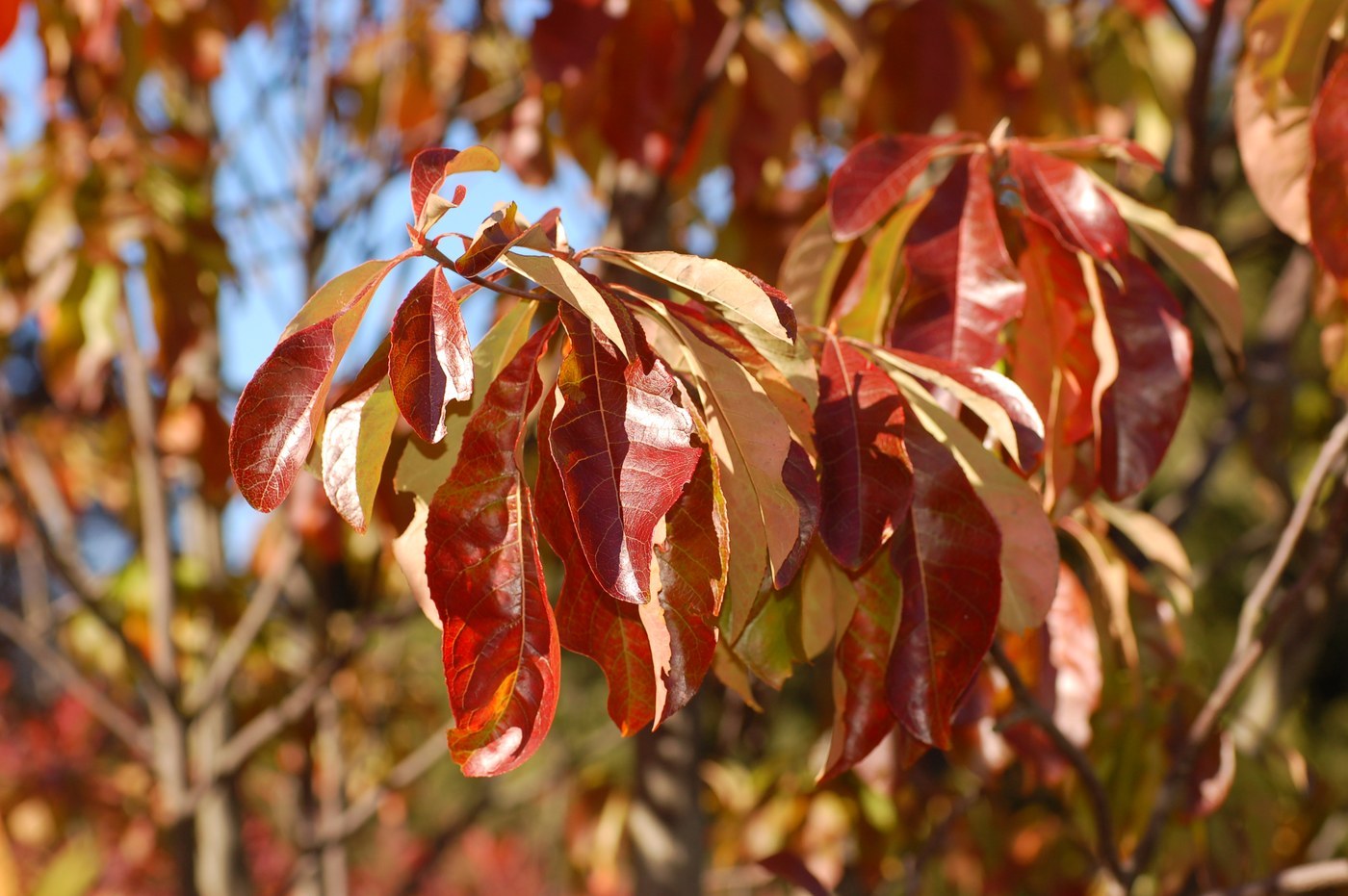
The Franklin tree is a rare deciduous tree extinct in the wild, surviving only in cultivation from seed collected in the 1700s. It bears fragrant white camellia-like flowers in late summer and fiery red fall color.
- Light
- Full sun to part shade
- Water
- Keep moist; well-drained, acidic
- Difficulty
- Hard
Got a plant like this?
Identify any plant from a photo, free.
Overview
The Franklin tree (Franklinia alatamaha) is a small deciduous tree in the tea family, famous as a plant that no longer exists in nature. It was discovered along Georgia's Altamaha River in 1765 by botanists John and William Bartram, who named it for Benjamin Franklin, and has not been seen in the wild since the early 1800s.
Every Franklin tree alive today descends from seed the Bartrams collected and propagated in Philadelphia. It is grown for its showy, fragrant white flowers with golden centers in late summer to fall, combined with brilliant orange-red autumn foliage. It is notoriously difficult to grow well.
How to identify it
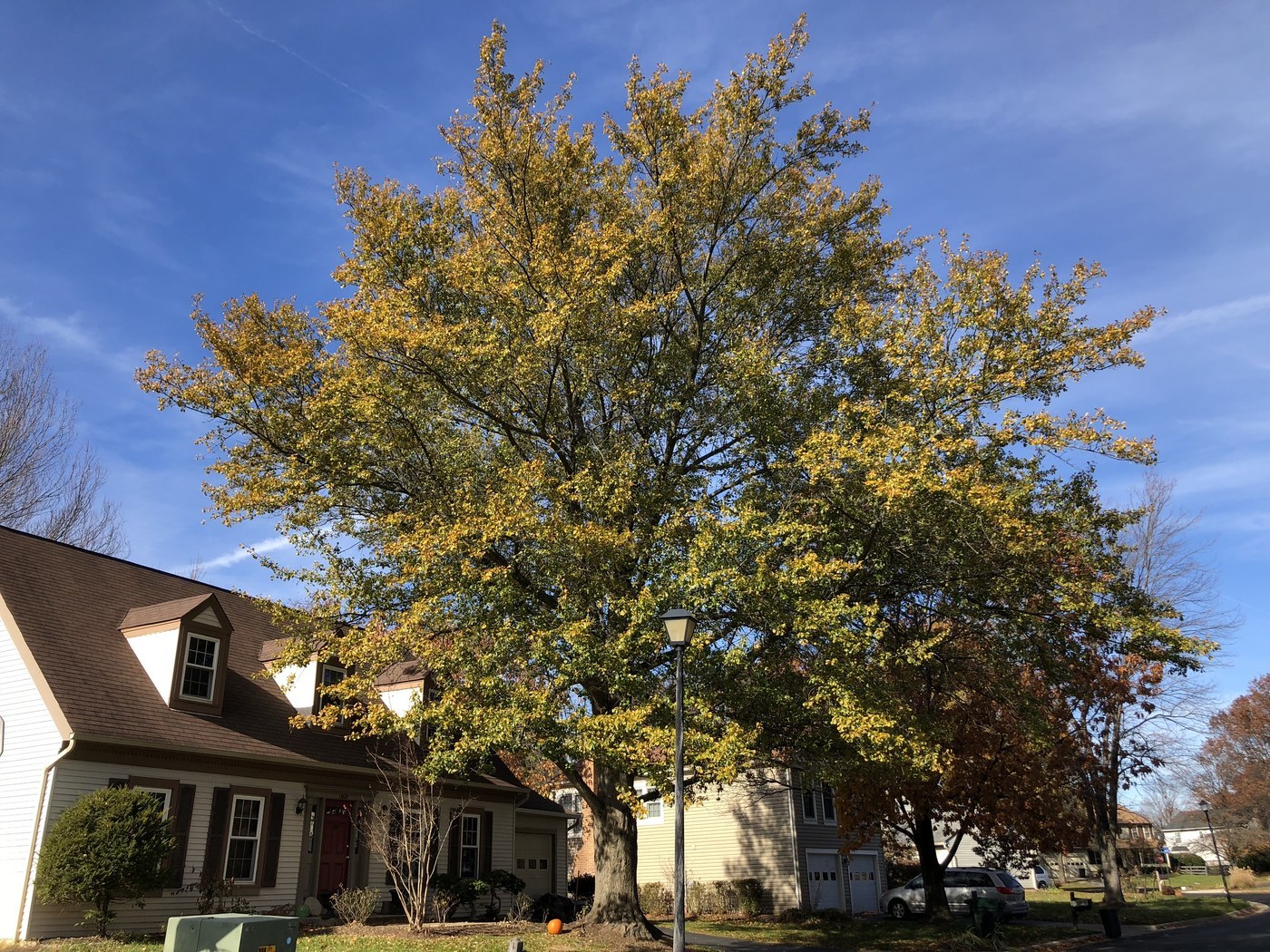
- Habit: Small, often multi-stemmed tree or large shrub, 10-20 ft, with an open upright form.
- Flowers: 3-inch, fragrant, white camellia-like blooms with a boss of yellow stamens, late summer into autumn, often opening alongside fall color.
- Leaves: Glossy, oblong, dark green, 5-6 in, turning vivid red, orange and purple in fall.
- Bark: Smooth gray with vertical striations.
- Fruit: Woody, rounded 5-parted seed capsule.
Care & growing
Light: Full sun to light shade; full sun improves flowering and fall color.
Water: Keep consistently moist but never waterlogged; it is sensitive to both drought and poor drainage.
Soil: Rich, moist, well-drained, acidic soil high in organic matter; will not tolerate clay or alkaline soils.
Temperature: Hardy USDA zones 5-8.
Feeding: Light feeding with acid-forming fertilizer; mulch.
Challenges: Highly susceptible to root rot (Phytophthora). Plant in fresh soil with excellent drainage. Propagated by seed or cuttings.
Habitat & origin
Historically native only to a tiny area along the Altamaha River in southeastern Georgia, USA, where the Bartrams found it. It was last reliably observed in the wild around 1803 and is now considered extinct in nature.
All cultivated specimens trace to the Bartrams' propagation. It is grown by collectors and botanic gardens in well-drained acidic sites across zones 5-8.
Frequently asked questions
Is the Franklin tree really extinct in the wild?
Yes. It has not been seen in nature since the early 1800s; all living plants descend from seed collected by the Bartrams.
Why is it so hard to grow?
It is very sensitive to root rot and demands moist but extremely well-drained, acidic soil; many trees die young from Phytophthora.
When does it bloom?
In late summer into fall, often with flowers and red autumn foliage on the tree at the same time.
Who is it named after?
Benjamin Franklin, a friend of botanist John Bartram who discovered the tree in 1765.
Franklin Tree guides
In-depth guides for identifying, growing, and caring for Franklin Tree.
How to Care for Franklin Tree
Grow the rare, temperamental Franklin Tree for late-summer white blooms in moist, acidic, superbly drained soil.
Franklin Tree Identification Guide
Identify Franklinia alatamaha, the extinct-in-the-wild Franklin tree, by its fragrant white camellia-like late-summer flowers, glossy oblong leaves, and fiery red fall color.